
REVIEW · WINE TASTING TOURS
Bordeaux Wine and Trade Museum Admission Ticket with Wine Tasting
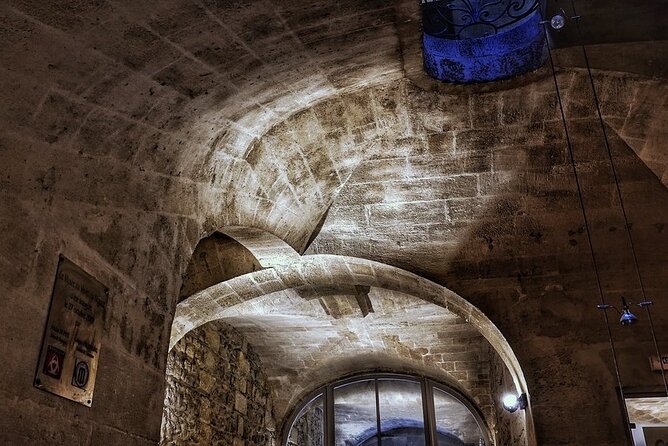
The best part of this experience comes at the end: you leave the small museum for a guided tasting of two Bordeaux wines, with the chance to compare Merlot and Cabernet Sauvignon directly. Before that, you walk through vaulted cellars dating from 1720, where the focus is not only on grapes and bottles, but also on the merchants who made Bordeaux wine a global business.
I like the authentic old-cellar setting, and I like the price. At $14.51, this is a modest way to learn the basics of Bordeaux wine without committing to a full vineyard excursion. The main drawback is the museum’s small size and self-guided format. You may finish in 45 minutes, while a careful reader could spend closer to two hours.
Key points to know before you go
- The museum occupies two old vaulted cellars in an 18th-century building linked to Bordeaux’s wine merchants.
- The tasting includes two wines, with attention to Merlot, Cabernet Sauvignon, and Bordeaux wine categories.
- This is mainly self-guided, using written material, videos, displays, and available explanations from staff.
- The subject is wine trade as much as winemaking, including merchants, cooperage, aging, bottling, and Bordeaux’s merchant families.
- The tasting is the strongest part for many visitors, especially if you ask questions and want help comparing styles.
- The museum is easy to fit into a city visit, with several opening times each day from 10 a.m. to 6 p.m.
What the Bordeaux Wine and Trade Museum actually offers
This is not Bordeaux’s large, modern wine museum. It is a smaller and more traditional place in the Chartrons district, an area long associated with the city’s wine merchants.
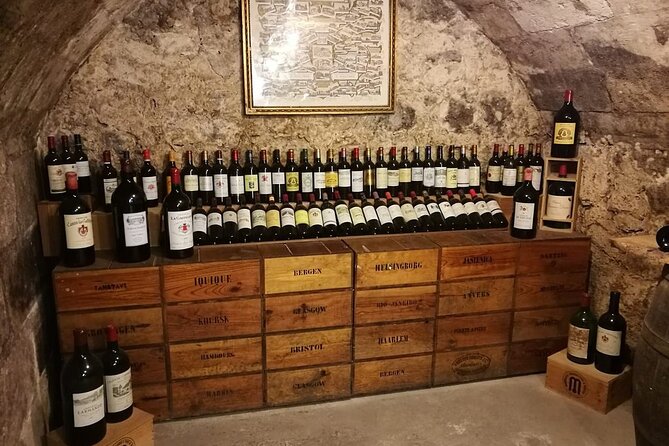
The museum occupies the former building of a royal broker connected with Louis XV. Its underground cellars were built in 1720, and the low stone rooms give the visit a physical link to the past. You are not simply looking at a glass case about wine storage. You are standing in the sort of space where Bordeaux wine was aged, handled, and prepared for sale.
The focus is the history of the négoce, the merchant trade that helped Bordeaux wines reach buyers beyond the city. That matters because Bordeaux wine is not only a story of vineyards and château estates. It is also a story of brokers, merchants, storage, blending, bottling, shipping, and family businesses.
I find this a useful distinction for first-time wine visitors. If you only learn about grapes and appellations, you miss how Bordeaux became famous. Here, the exhibits connect the wine in your glass with the commercial system that carried it across two seas and into international markets.
More Wine Tasting Tours in Bordeaux
- Bordeaux: Cité du Vin Entry Ticket and Wine Tasting
★ 4.6 · 3,885 reviews - From Bordeaux: Afternoon Saint-Emilion Wine Tasting & snack
★ 4.8 · 1,581 reviews - Medoc or Saint Emilion Wine Tasting and Chateau from Bordeaux
★ 5.0 · 1,415 reviews
Walking through the 1720 vaulted cellars
The museum route takes you through a physically small space made up of two semi-underground cellars. Expect an intimate visit rather than a large collection with room after room of exhibits.
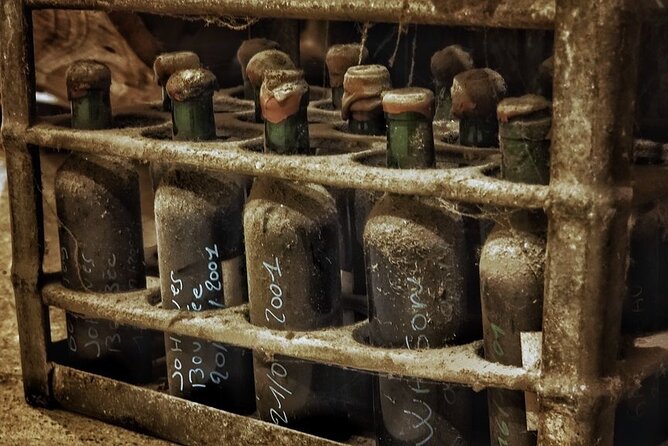
The architecture does much of the work. The vaulted ceilings, old masonry, and cellar atmosphere make the material feel more immediate than it would in a modern gallery. You see how traditional wine aging depended on a cool, humid environment. That humidity is part of the building’s character, although it can also create a musty or mouldy smell for some people.
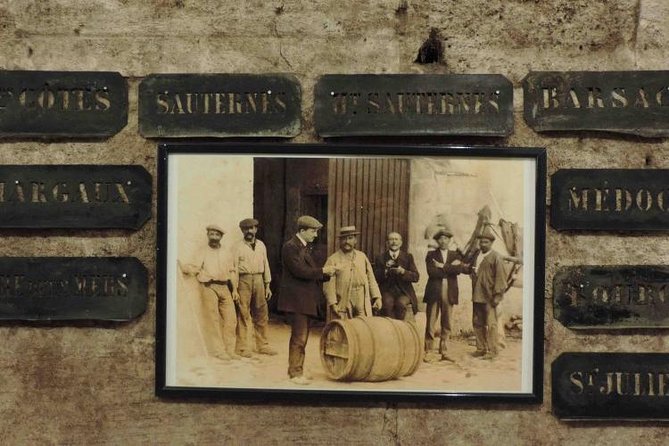
The displays cover the work of coopers, the craftsmen who made and maintained wooden barrels. They also explain traditional aging practices used by Bordeaux traders in the 19th century. Archival documents and objects trace the careers of merchant families and the practical skills of cellar workers.
You will also find information about production, bottling, and the growth of Bordeaux’s wine trade. The subject is broad, but the space is not. That means the museum packs information into folders, wall text, audio material, and small displays.
If you enjoy reading labels, you can take your time and make the visit last close to two hours. If you prefer a quick look, you may get through it in about 45 minutes. I would allow at least an hour so the historical material has time to make sense before the tasting.
Self-guided touring, with staff help when you need it
The museum does not function like a scheduled guided tour. You generally receive written material and explore at your own pace. English explanations and an English guidebook make the route manageable for English-speaking visitors.
That format has clear advantages. You can stop at the sections that interest you, skip material that feels too technical, and avoid being pushed through the cellar on someone else’s timetable. It also makes the experience easy to fit around a morning in Bordeaux or a cruise stop.
The tradeoff is that the museum may feel less polished than a major attraction. Some information is printed in small type, and the audio material can be confusing. The exhibits are not highly interactive, so you need to bring a little patience and curiosity.
Staff can answer questions, and the best way to improve the visit is to ask them. The tasting staff often explain Bordeaux appellations, soils, climate, grape varieties, and the difference between merchant and château wines. When Cristina leads the tasting, she has been praised for giving clear and attentive explanations. Staff members have also been noted for speaking excellent English.
Families can make the museum work, too. A scent game for children has been available during tastings, and non-drinkers have been offered grape juice. Still, the museum’s written material may suit adults more than young children.
The tasting: two wines, two Bordeaux grape varieties
After the museum, you go to the boutique for the included tasting. The usual focus is two wines, Merlot and Cabernet Sauvignon, which gives you a simple and useful comparison.
Merlot is generally presented as one of the key Bordeaux varieties, while Cabernet Sauvignon provides a different profile. The point is not to turn you into a wine expert in one sitting. It is to help you notice how grape variety affects taste and how Bordeaux wines can differ within the same broad region.
The tasting also explains the difference between a merchant wine and a château wine. This is one of the more valuable parts of the experience because Bordeaux labels can seem confusing at first. A château wine is associated with a specific estate, while a merchant wine reflects the work of a négociant who buys, blends, ages, or markets wine from different sources.
The tasting is not a full meal or a long wine class. Portions are described as modest, and the session may be fairly brief. Think of it as an educational introduction rather than an afternoon of drinking.
Its value comes from the conversation. Ask about the appellations, the soil, the climate, and the reason a wine tastes the way it does. The staff are there to answer questions, and the direct explanation is easier to follow than reading another wall panel.
Some visitors have also received a small chocolate or a complimentary bottle at the end, but these extras are not stated as guaranteed inclusions. Do not book expecting more than the included two-wine tasting.
More Wine Tasting Tours in France
- Saint Emilion Day Trip with Sightseeing Tour & Wine Tastings from Bordeaux
★ 5.0 · 1,120 reviews - Saint Emilion Half-Day Trip with Wine Tasting & Winery Visit from Bordeaux
★ 4.5 · 1,034 reviews - From Bordeaux: Half-Day Saint-Émilion Tour and Wine Tasting
★ 4.7 · 699 reviews - Saint-Emilion Electric Bike Day Tour with Wine Tastings & Lunch
★ 5.0 · 696 reviews
Why the merchant angle matters in Bordeaux
Many wine attractions concentrate on vineyards, grapes, and production. This museum gives more attention to the business behind the bottle.
Bordeaux’s wine trade helped shape the city’s architecture and its international identity. The Chartrons district grew around merchants, warehouses, brokers, and shipping links. The elegant 18th-century buildings near the river reflect that commercial past.
Inside the museum, documents and objects show how merchant families built long careers in the trade. The cellars also highlight the work of people who rarely receive the spotlight: coopers, cellar workers, bottlers, and storage specialists.
I like this approach because it explains why Bordeaux can feel different from a rural wine region. The city’s wine story is urban and commercial. Wine was not only made outside town. It was stored, traded, priced, packaged, and sent overseas from the city itself.
If you have already visited a château, this museum adds a useful second viewpoint. If you have not visited a vineyard, it offers an accessible starting point before you spend money on a more expensive day trip.
How the price compares with the experience
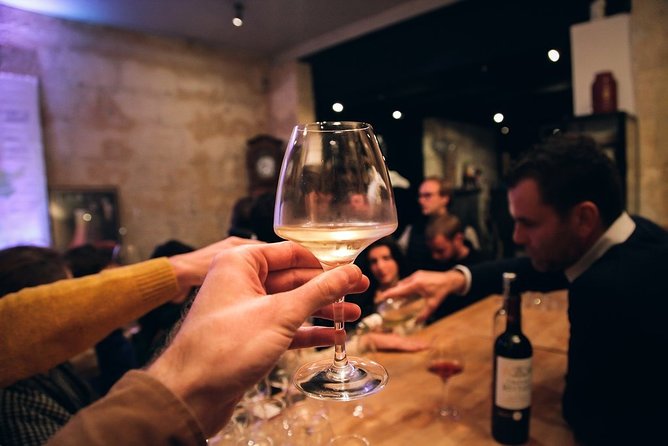
At $14.51 per person, the admission is inexpensive by Bordeaux attraction standards, especially because the price includes two wines. The tasting alone can justify much of the cost if you want someone to explain what is in your glass.
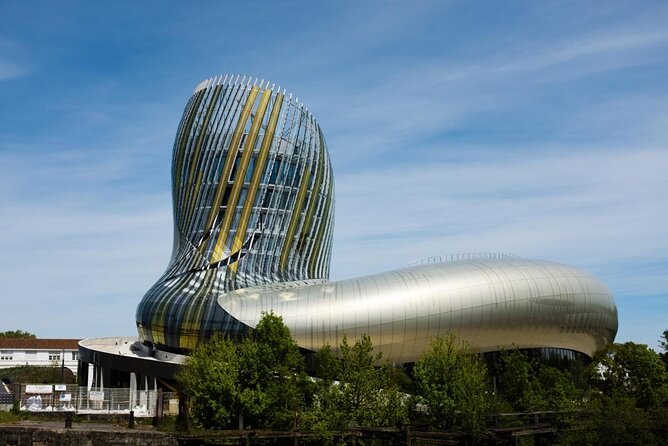
The museum is not large, interactive, or heavily staged. If you expect a major multimedia production, you may feel you received a short visit. The nearby Cité du Vin offers a much bigger and more polished presentation, but it also serves a different purpose and has a different scale.
I would judge this museum as good value for three types of visitor: someone with a limited budget, someone who wants a short wine activity in the city, and someone who prefers an old building and personal explanations over modern technology.
The value is weaker if your main goal is simply to drink generous pours. This is a tasting with an educational purpose, and the servings are not large. Bordeaux has plenty of places where you can order a glass if drinking is your only priority.
Timing, location, and planning advice
The museum is open daily from 10 a.m. to 6 p.m. during the stated operating period, from January 3, 2025, through February 16, 2027. Several times are offered throughout the day, so you can usually place it before lunch, in the afternoon, or near the end of a city visit.
Allow one to two hours, depending on how closely you read the material. I would not rush straight to the tasting. The tasting makes more sense after you have seen the sections on trade, aging, and Bordeaux’s grape varieties.
The museum is near public transportation. It can also be convenient if you are visiting by river cruise, with the entrance described as about a five-minute walk from a cruise boat stop. Check your exact route before setting out, since the city has more than one wine attraction.
Most people can participate. The material provided here does not specify detailed accessibility information, so contact the provider if you have particular mobility needs or concerns about the cellar setting.
Take care when booking because this museum is easy to confuse with the Cité du Vin. They are separate attractions. The Cité du Vin is the large, modern wine museum, while the Wine and Trade Museum is a small historic cellar focused on Bordeaux’s merchant tradition.
Free cancellation is available if you cancel at least 24 hours before the local start time. Changes or cancellations made later are not accepted for a refund.
The people who will enjoy this most
I would recommend this experience to first-time Bordeaux visitors who want a clear introduction without spending half a day outside the city. It also suits wine drinkers who want to understand labels and grape varieties before visiting more producers.
History fans should enjoy the merchant and cellar material. Architecture lovers will appreciate the old vaulted rooms. Cruise passengers may find the short format especially useful because it can fit into a limited stop.
It is also a reasonable family option if adults want the wine material and children need a brief activity. The scent game and grape juice option can help, although the museum is still primarily designed around adult learning.
You may want to choose another attraction if you need interactive technology, a large collection, or a formal guide from beginning to end. The small scale is part of the charm, but it is also the main limitation.
Should you book the Bordeaux Wine and Trade Museum?
Book it if you want an affordable, compact introduction to Bordeaux wine, especially the city’s merchant trade. The old cellars give the visit character, and the two-wine tasting is the strongest reason to go.
Do not book it expecting the size or polish of the Cité du Vin. Instead, expect a self-guided museum with dense information, a historic setting, and a staff-led tasting that can become much more useful when you ask questions.
For $14.51, I think it is a sensible choice for a free morning, a cruise stop, or a first step into Bordeaux wine. If you have time, you can visit both wine museums and compare their approaches: one modern and broad, the other small, local, and rooted in the city’s old trade.
FAQ
How long does the Bordeaux Wine and Trade Museum visit take?
The experience lasts approximately one to two hours. You might complete the museum in about 45 minutes if you move quickly, while careful reading and the tasting can bring the visit closer to two hours.
What does the admission include?
Admission includes entry to the Wine and Trade Museum and a tasting of two wines at the museum boutique.
Which wines are included in the tasting?
The tasting teaches you to compare Merlot and Cabernet Sauvignon. The specific bottles are not stated in the provided information.
Is the museum guided?
The museum visit is self-guided, with written English material, displays, videos, and staff available to answer questions. The wine tasting includes staff explanations.
Is the experience offered in English?
Yes. The experience is offered in English, and English guide material and explanations are available.
Is this the same as Bordeaux’s Cité du Vin?
No. The Wine and Trade Museum is a separate, smaller museum in historic vaulted cellars. The Cité du Vin is a different attraction.
What are the museum’s opening hours?
The stated opening hours are daily from 10 a.m. to 6 p.m., from January 3, 2025, through February 16, 2027.
Can I cancel for a full refund?
Yes, if you cancel at least 24 hours before the experience’s local start time. Cancellations or changes made less than 24 hours before the start are not refunded.
More Museum Visits in Bordeaux
- Bordeaux: Wine and Trade Museum Entry Ticket & Wine Tasting
★ 4.4 · 121 reviews - Porto: Cálem Cellar Tour, Interactive Museum & Wine Tasting
★ 4.5 · 4,113 reviews - Dublin Irish Whiskey Museum and Gallery Guided Tour with Tasting
★ 5.0 · 3,078 reviews - Munich: Beer and Food Tour with Dinner & Oktoberfest Museum
★ 4.7 · 1,086 reviews
Just poured in Bordeaux
- Saint Emilion Full Day Wine and Bike Tour★ 5.0 · 167 reviews
- Professional – Bordeaux Wine and Cheese Tasting with a walking tour★ 5.0 · 218 reviews
- Medoc Afternoon Wine Tour – 2 Wineries, tastings & delicacies★ 4.5 · 74 reviews
- Discovery of the Bordeaux vineyard in 3 wines★ 5.0 · 133 reviews
- Saint-Emilion Small-Group Electric Bike Wine Tour Tastings & Lunch from Bordeaux★ 5.0 · 383 reviews
- Bordeaux Wine Masterclass: Blending workshop with appetizer★ 5.0 · 113 reviews
- Essential Wine Tour with Tasting & Chateau Visits from Bordeaux★ 5.0 · 133 reviews
- Prestige Commented Cruise glass of wine and Canelé in Bordeaux★ 4.0 · 517 reviews
Wine Tasting Tours, compared.
Douro Valley w/ Boat Tour, Wine Tasting & Lunch
Read our review →
Complete Douro Valley Wine Tour with Lunch, Wine Tastings and River Cruise
Read our review →

Small-Group Wine Tasting Experience in the Tuscan Countryside
Read our review →
Montserrat & Cogwheel Train, Gourmet Wine Tasting & Tapas/Lunch
Read our review →
Tuscany & Montepulciano Day Trip with Lunch & Wine Tasting
Read our review →Browse the lists this tour appears in