
REVIEW · VINEYARD TOURS
Discovery of the Bordeaux vineyard in 3 wines
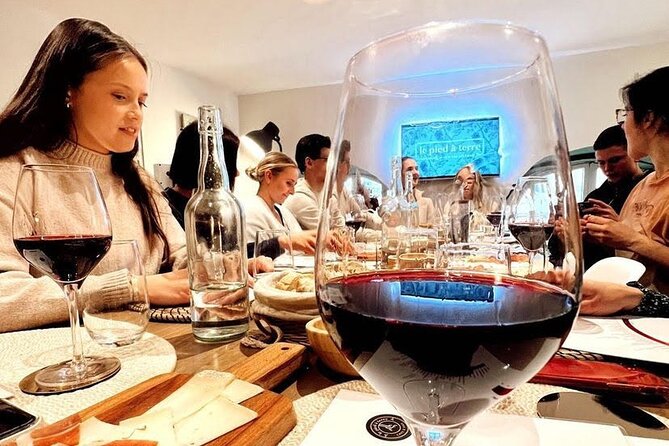
Bordeaux wine makes more sense after you compare three glasses side by side. At Le Pied à Terre, you taste a powerful Left Bank red, an elegant Right Bank red, and a dry white while James or Pierre explains the grapes, appellations, estates, and winemaking behind each pour. The Roman stories give the lesson some flavor, too.
I like the small group size, capped at 12, and the relaxed teaching style. I also like that the session gives you practical tasting skills rather than simply passing around expensive wine. You learn how to look, smell, taste, and compare without feeling that you need a special vocabulary.
The main consideration is location. This is a tasting room above a wine shop, not a visit to a vineyard or château. The food is a modest plate of Basque ham, cheese, and bread, and one session began later than the time shown online, so confirm the start time before setting your day around it.
Key points at a glance
- Three wines, three Bordeaux viewpoints: Compare Left Bank power, Right Bank finesse, and dry white freshness.
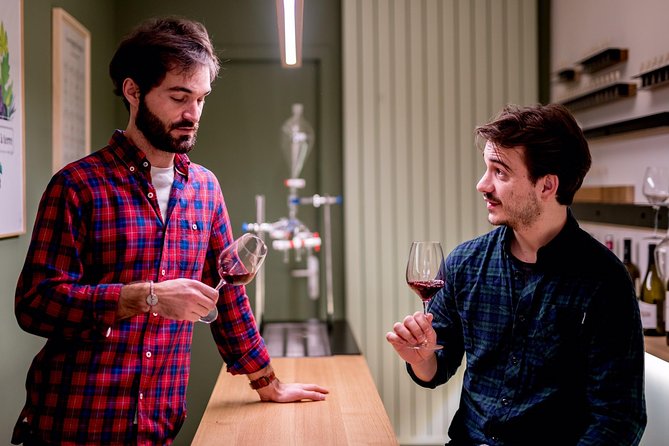
- James and Pierre teach without wine snobbery: Expect humor, clear explanations, and plenty of time for questions.
- Roman-era stories add context: Bordeaux wine is presented as part of a long regional story, not just a tasting exercise.
- A useful first lesson: You cover tasting technique, appellations, grape varieties, food pairings, and producers.
- A central, easy-to-find meeting point: The experience begins and ends at 22 Rue Judaïque in Bordeaux.
- A small international group: With no more than 12 people, the class feels suited to conversation and questions.
Why this Bordeaux tasting works so well for beginners
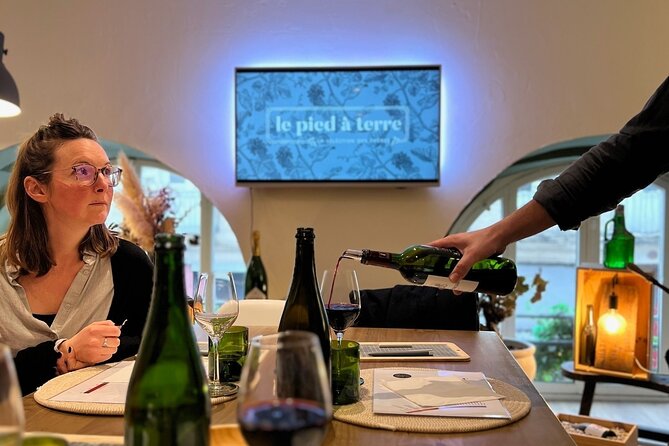
Bordeaux can be confusing at first. Wine names often refer to places rather than grape varieties, and the Left Bank and Right Bank follow different traditions. Add appellations, classifications, château names, and blends, and it is easy to feel lost before the first glass is poured.
This session gives you a simple route through the subject. You taste three emblematic styles, then connect each glass with its place, grapes, production methods, and estate background. That structure matters. Instead of hearing a long lecture about Bordeaux, you have a taste in front of you while the explanation is fresh.
I especially like the fact that the lesson is built around comparison. A powerful red from the Left Bank can be considered alongside a softer, more elegant wine from the Right Bank. A dry Bordeaux white then changes the pace with freshness. You do not need advanced wine knowledge to follow the logic.
The teaching also appears deliberately informal. James is described as an English-speaking wine expert and sommelier, while Pierre has been praised for making the class fun and easy to follow. The brothers are associated with the experience, although only one may lead a particular session. That personal touch suits anyone who finds formal wine classes stiff or intimidating.
More Vineyard Tours in France
- Bordeaux: Vineyards Wine Tasting Half-Day Trip
★ 4.2 · 470 reviews - Half-Day Wine tour across Bordeaux’s Vineyards
★ 3.5 · 429 reviews - Medoc Region Wine Day Trip with Vineyard Visits & Tastings from Bordeaux
★ 4.5 · 293 reviews
Arriving at 22 Rue Judaïque
You meet at 22 Rue Judaïque, 33000 Bordeaux, and return there when the activity ends. The location is in the city rather than out among the vineyards, which makes this a practical choice if you have only a short stay in Bordeaux or do not want to arrange transport to an estate.
The setting is a wine shop with an upstairs tasting room, also described as the cellar Le Pied à Terre. It is an easy place to reach and gives you an immediate connection to local wine culture. You are not being taken past rows of vines, but you are learning in a place where wine is the main subject.
The activity lasts about 90 minutes. That is long enough for three wines and a proper explanation, but short enough to fit before dinner or alongside sightseeing. The group limit of 12 is another plus. A small class gives you a better chance to ask about a wine you like, a label you saw in a shop, or a pairing you want to try at home.
One practical point deserves attention: a session was reported as taking place at 2:30 p.m. rather than the 11 a.m. time shown elsewhere. Check your confirmed booking details and the local start time. It is a small issue, but it can matter if you are planning a museum visit, lunch, or a train connection.
Three glasses that explain Bordeaux
The central lesson uses three carefully selected wines. The exact producers can vary, so you should not book this expecting a fixed bottle list. The important point is the range of styles.
The Left Bank red
The first red represents the Left Bank, where Bordeaux wines are often associated with structure, power, and a firm shape. The tasting connects the wine to its appellation, grape blend, estate, and production method. You are encouraged to notice how the wine feels, not just whether you like its flavor.
This is a useful way to understand why Bordeaux is not one single taste. A Left Bank red can give you a reference point for wines that feel more robust and built for food. The lesson may also touch on classification and the rules governing regional names, subjects that can seem abstract until you have the wine in your glass.
More Vineyard Tours in Bordeaux:
- Bordeaux: St-Emilion Vineyards e-Bike Tour with Wine & Lunch
★ 4.9 · 181 reviews - Douro Valley Tour: 2 Vineyard Visits, River Cruise, Winery Lunch
★ 5.0 · 3,542 reviews - Toledo Tour & Vineyard Walk with Wine Tasting from Madrid
★ 5.0 · 2,546 reviews - Half day Chianti Vineyard Escape from Florence with Wine Tastings
★ 4.5 · 2,196 reviews
The Right Bank red
The second red shows a different side of Bordeaux. It is presented as more elegant, giving you a chance to compare texture, aroma, balance, and finish with the first wine.
This comparison is the heart of the session. You are not asked to memorize a list of estates. You are shown how geography and grape choices can shape the result. If you are new to Bordeaux, this is a practical starting point for understanding why two bottles from the same broad region can taste so different.
Several sessions included Grand Cru Classé wines, which adds interest for people who want to sample bottles with a stronger connection to Bordeaux’s classification system. Still, the real value is not the prestige of the label. It is learning how to place the wine in the wider regional picture.
The dry white
The white wine provides a welcome change after two reds. It highlights the freshness found in Bordeaux’s dry white wines and gives the class a chance to discuss balance and food matching from another angle.
This is also where the tasting becomes more useful for your meals in Bordeaux. A dry white can make sense with seafood, cheese, or lighter dishes, though the session focuses on discussion rather than presenting a full meal. The contrast helps you understand that Bordeaux is not only about powerful red blends.
What you learn beyond the wine
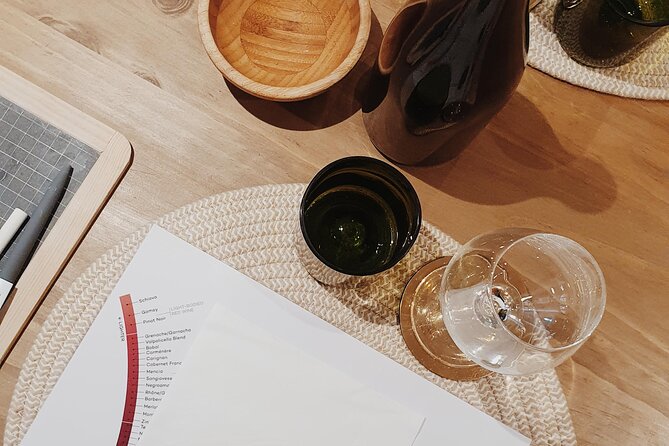
The session covers the basic mechanics of tasting: how to look at the wine, smell it, take a sip, and think about what you are noticing. The explanations are meant to be usable, not ceremonial. You will not need to perform elaborate cork sniffing or use grand words to take part.
That practical focus is one of the strongest reasons to book. You can carry the lesson into a restaurant or wine shop later in your trip. Instead of asking only for the most expensive Bordeaux bottle, you will have a better idea of what style suits you.
The class also explains:
- Bordeaux appellations and how regional naming works
- Grape varieties used in the wines
- Differences between Left Bank and Right Bank styles
- Basic winemaking methods
- How producers and estates fit into the region
- Food and wine pairings
- How to taste with more confidence
The historical material reaches back to Roman times. That does not turn the session into a history lecture, but it gives the wines a longer setting. Bordeaux’s wine trade and identity did not appear overnight, and the historical stories help explain why place and reputation matter so much here.
The discussion can be interactive. James has been praised for answering broad questions about wine, while Pierre is noted for explaining the subject in an easy, friendly way. If you already know a fair amount about wine, you can ask more specific questions. If you are starting from zero, you can ask basic ones without feeling out of place.
Basque cheese, ham, and bread between pours
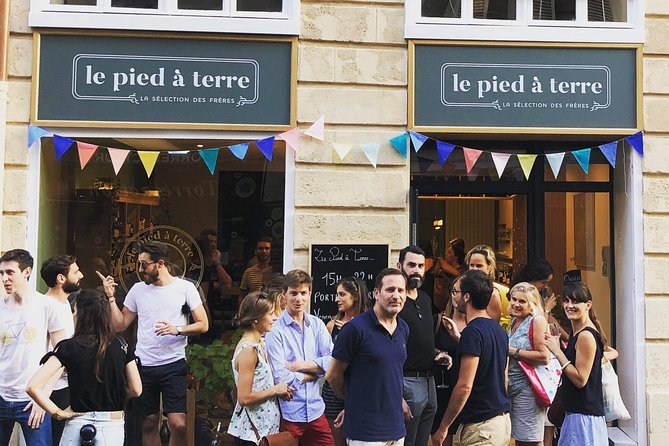
The tasting includes a small starter of charcuterie and cheese from the Basque Country, supplied by Maison Pierre Oteiza. You can expect bread, cheese, and ham rather than a full meal.
That distinction matters. The plate is there to support the tasting and give you something to pair with the wines. It is not designed to replace lunch or dinner. Some people will find the serving generous enough for a snack, while others may want to eat beforehand.
The food adds a useful layer to the lesson. Wine can taste different beside cheese or cured meat, and trying the pairings makes the advice more concrete. Vegetarian and vegan requests can be accommodated when arranged ahead of time, so mention your needs before the session.
The tone: friendly, funny, and not precious
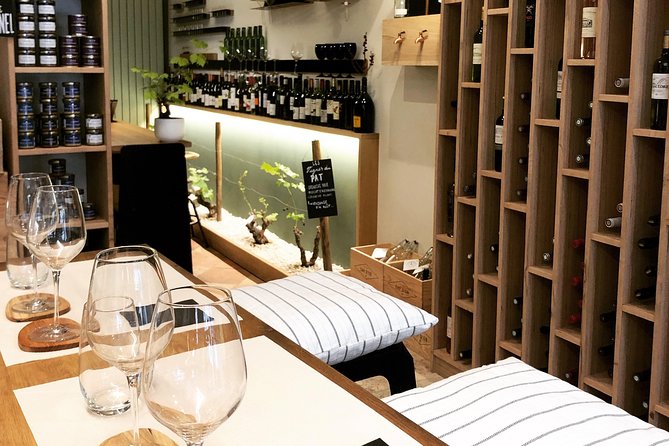
The strongest feature of this experience is the teaching style. The hosts are repeatedly praised for being warm, humorous, and approachable. That may sound like a small thing, but it changes the whole class.
Wine education can easily become a parade of terms that leave beginners quiet and embarrassed. Here, the aim is to get you asking questions and comparing impressions. You might hear a story, make a useful tasting observation, and then discuss what you are noticing with the people around you.
The small international mix can also suit solo visitors. With a maximum of 12 people, you are not lost in a large lecture. The format encourages conversation, and the hosts have also been willing to share ideas for other things to do in Bordeaux after the tasting.
One fair criticism is that the talk can occasionally wander. For an intermediate wine drinker who wants a tightly timed, technical class, the presentation may feel less scripted than expected. I see that as a trade-off: the informal style makes the session welcoming, but it may leave you wanting a more systematic lesson.
Is $42.33 good value?
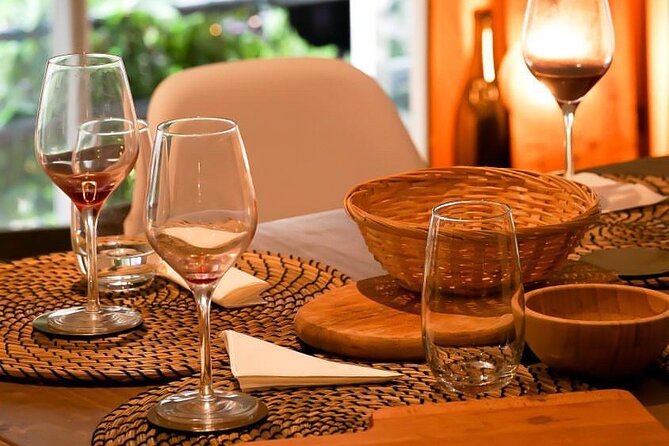
At $42.33 per person, the price is reasonable if you want instruction as well as wine. You receive three tasting pours, a small Basque food plate, and about 90 minutes of guided teaching in central Bordeaux. The value comes less from the quantity of wine than from the context attached to each glass.
This is not the cheapest way to drink wine in the city. If your only goal is to sample local bottles, you could spend less at a bar or shop. You also should not compare this price with a full-day château outing, since this activity does not include vineyard transport or a property visit.
I would compare it with the cost of making several uncertain wine purchases on your own. A guided introduction can save you from buying bottles based only on a famous name or attractive label. It also helps you choose better at restaurants during the rest of your stay.
The 4.9 rating from 133 published ratings and the 98 percent recommendation figure point to a very consistent experience. The most repeated strengths are the hosts, the clear teaching, the relaxed humor, and the chance to understand Bordeaux rather than simply drink it.
Who should book this tasting?
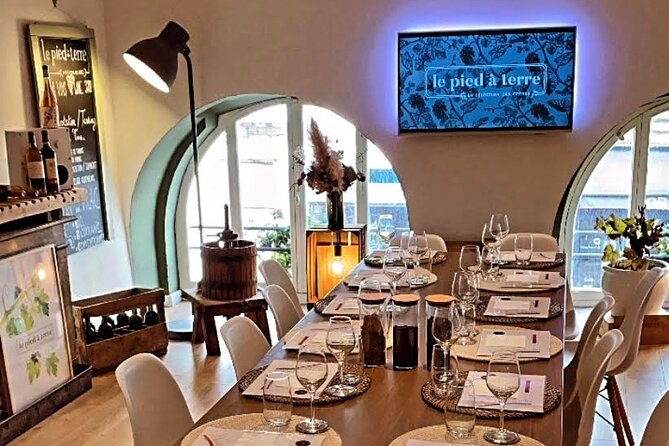
I would choose this for:
- First-time visitors to Bordeaux
- Wine beginners who want plain explanations
- Couples looking for an indoor afternoon activity
- Solo visitors who enjoy meeting a small group
- Wine drinkers who want to understand Left Bank and Right Bank differences
- Visitors without time for a full vineyard excursion
- People who want useful tasting and pairing skills
It also suits experienced wine drinkers, though your expectations matter. You may already know the basics, and the session may not offer a highly technical examination of every appellation. Still, comparing three regional styles and asking questions of a sommelier can sharpen what you already know.
I would not choose it if your main goal is to walk through vines, visit a château cellar, or see wine production on the property. The experience takes place in Bordeaux city at a shop and tasting room. That is convenient, but it is not a vineyard day.
Booking and practical details
Confirmation is provided when you book. Mobile tickets are accepted, and the activity is offered in English. Service animals are allowed, and the meeting point is near public transportation.
You can cancel free of charge up to 24 hours before the start time for a full refund. Cancellations or changes made within 24 hours are not refunded or accepted. The activity also requires a minimum number of participants, so if that minimum is not reached, you will be offered another date or experience, or a full refund.
Because the experience is often booked about 22 days ahead, reserve early if your Bordeaux dates are fixed. This is especially sensible if you want a particular afternoon. Check the start time carefully, since the available session time may not match every online display.
Should you book it?
Yes, if you want a clear and friendly introduction to Bordeaux wine without leaving the city. The three-wine format gives you a useful comparison, the hosts make a complex subject approachable, and the Basque cheese and charcuterie add a pleasant food link.
Book something else if you want vineyard scenery, château architecture, or a full meal. For everyone else, this is a practical first step before exploring Bordeaux’s estates, wine bars, and restaurant lists. You leave with more than three tasting notes: you have a better sense of how place, grapes, rules, and producers shape the wine in your glass.
FAQ
Where does the Bordeaux wine tasting begin?
It begins at 22 Rue Judaïque, 33000 Bordeaux, France, at Le Pied à Terre.
Where does the activity end?
The activity ends back at the meeting point on Rue Judaïque.
How long does the experience last?
It lasts approximately 1 hour and 30 minutes.
How many wines are included?
The guided tasting includes three Bordeaux wines: a powerful Left Bank red, an elegant Right Bank red, and a dry white.
Is the tasting offered in English?
Yes. The experience is offered in English.
How many people can join the activity?
The group has a maximum of 12 participants.
Is food included?
Yes. A small serving of Basque charcuterie and cheese from Maison Pierre Oteiza is included, along with bread.
Can I cancel for a full refund?
Yes. You must cancel at least 24 hours before the local start time to receive a full refund.
Just poured in Bordeaux
- Saint Emilion Full Day Wine and Bike Tour★ 5.0 · 167 reviews
- Professional – Bordeaux Wine and Cheese Tasting with a walking tour★ 5.0 · 218 reviews
- Medoc Afternoon Wine Tour – 2 Wineries, tastings & delicacies★ 4.5 · 74 reviews
- Bordeaux Wine and Trade Museum Admission Ticket with Wine Tasting★ 4.5 · 599 reviews
- Essential Wine Tour with Tasting & Chateau Visits from Bordeaux★ 5.0 · 133 reviews
- Saint-Emilion Small-Group Electric Bike Wine Tour Tastings & Lunch from Bordeaux★ 5.0 · 383 reviews
- Bordeaux Wine Masterclass: Blending workshop with appetizer★ 5.0 · 113 reviews
- Prestige Commented Cruise glass of wine and Canelé in Bordeaux★ 4.0 · 517 reviews
Vineyard Tours, compared.
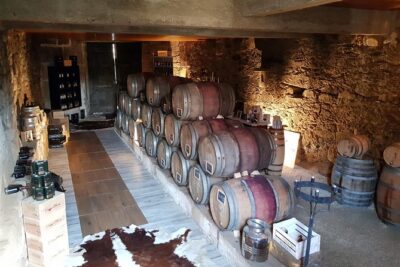
Douro Valley Tour: 2 Vineyard Visits, River Cruise, Winery Lunch
Read our review →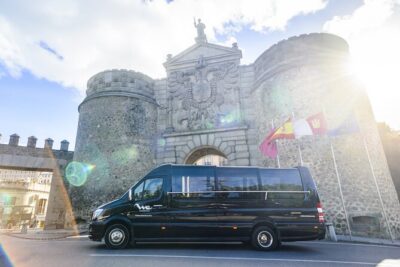
Toledo Tour & Vineyard Walk with Wine Tasting from Madrid
Read our review →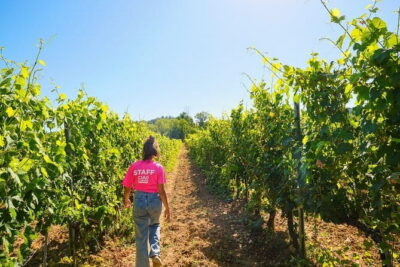
Half day Chianti Vineyard Escape from Florence with Wine Tastings
Read our review →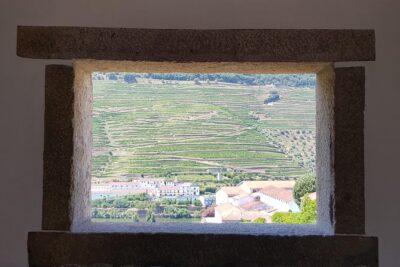
Douro Valley Wine Tour: 3 Vineyard Visits, Wine Tastings, Lunch
Read our review →
#1 Best 3hr Martha’s Vineyard shared Island Tour from Oak Bluffs
Read our review →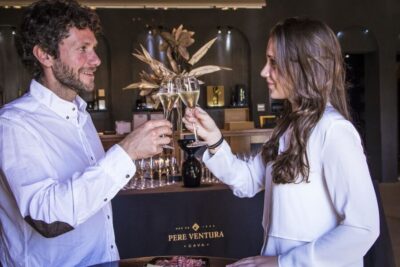
Private Self-Guided E-Bike Ride in Tuscany with Vineyard Visit
Read our review →
Browse the lists this tour appears in