
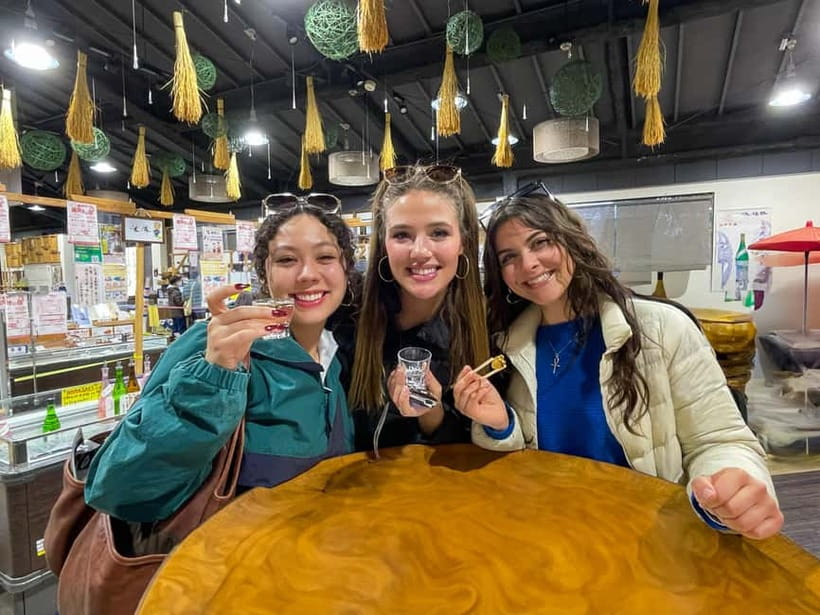
REVIEW · BREWERY & BEER TASTINGS
Kobe: Guided Sake Breweries Tour with Tastings
Nada is Kobe’s sake country, with more than 26 breweries spread through the district. This tour gives you a useful way into that world: you walk from Ishiyagawa Station to old brewing sites, taste different styles, and finish near Uozaki Station. The most interesting part is the range, from handcrafted Fukuju sake at Kobe Shushinkan to the large-scale Hakutsuru operation and the traditional Kimoto method at Kiku-Masamune.
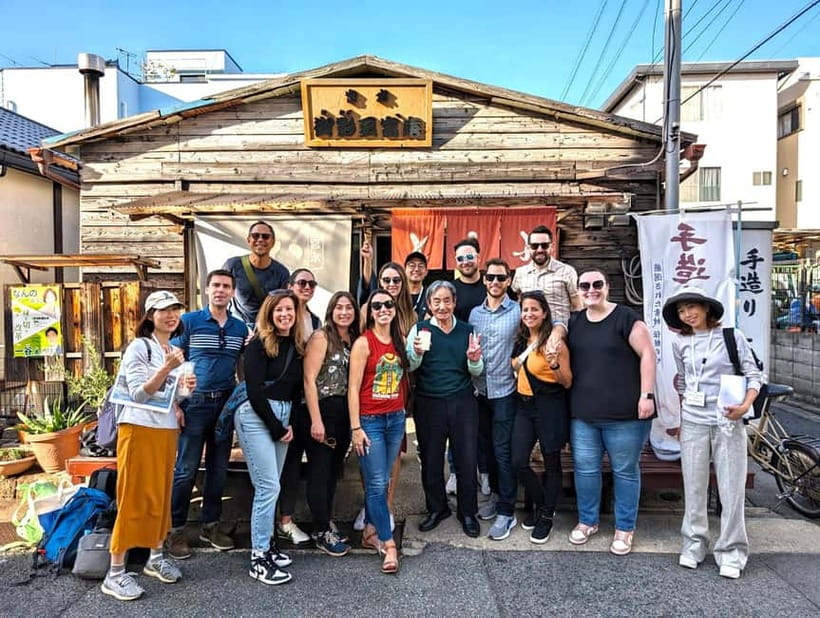
I like the small groups of up to 10 and the way the stops mix sake with local food and neighborhood streets. I also like that guides such as Hiro, Romi, Aya, Fuma, and Hiroman bring humor and clear explanations rather than simply pouring drinks. The main consideration is the walking: about 4 kilometers over three and a half hours, with enough sake that you should eat beforehand and pace yourself.
Key points to know before you book
- Three or four sake stops: The exact breweries can change with closing days and weather, but the route normally includes major Nada producers and museum spaces.
- A practical sake lesson: You taste several types while learning about rice, brewing methods, history, and regional differences.
- Fresh tofu is part of the route: Okage Tofu-an offers a small local tasting, but it closes on Sundays and public holidays.
- A walking tour with real distance: The route links Ishiyagawa and Uozaki stations and covers about 4 kilometers.
- Strong guide-led experience: Hiro, Romi, Aya, Fuma, Aki, and Hiroman have all led tours, with English explanations and plenty of room for questions.
- Best for adults who want to drink: Participants must be at least 20, and the tour is not suitable during pregnancy.
Why Nada is the right place to learn about sake
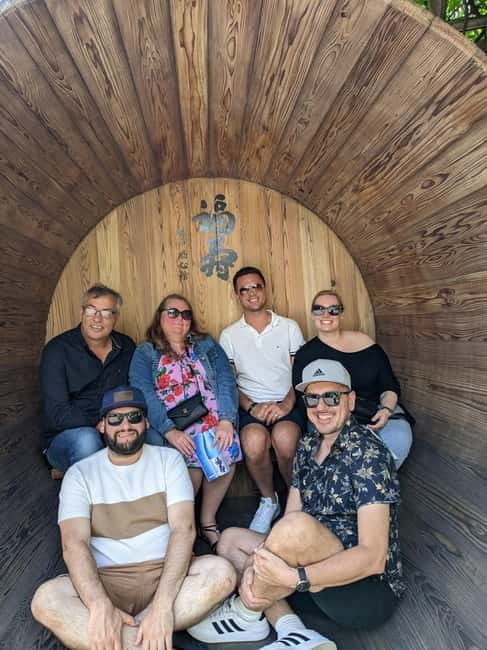
Nada is not just a convenient collection of tasting rooms. It is one of Japan’s leading sake-producing districts, with more than 26 breweries in Kobe. That concentration lets you compare producers without spending a day crossing the city.
The tour also gives you a feel for the district as a working place. You move between breweries, museums, shops, and a tofu maker instead of sitting in one tasting room. That matters because sake makes more sense when you see the tools, the buildings, the local water connection, and the way each producer presents its own style.
You begin at Ishiyagawa Station on the Hanshin Line at 1 p.m. Look for the guide wearing a KampaiSakeTours name tag. From there, the first walk takes about 20 minutes. This is not a bus tour with a quick stop at a single famous brand, so wear shoes you can walk in comfortably.
The tour ends at Uozaki Station around 4:30 p.m. That start and finish are useful if you are staying in Kobe or coming from Osaka by train. You do not need a hotel transfer, and the station-to-station format keeps the route simple.
More Brewery Tours in Japan
- 3-Hour Kyoto Insider Sake Brewery Tour with Tastings & Pairings
★ 5.0 · 917 reviews - Kyoto: Insider Sake Brewery Tour with Sake and Food Pairing
★ 5.0 · 704 reviews - Kyoto Sake Brewery & Tasting Walking Tour
★ 5.0 · 623 reviews
Kobe Shushinkan and the Fukuju approach
The first major stop is Kobe Shushinkan, home of Fukuju sake. The brewery dates to 1751 and focuses on handcrafted production. Here you begin to see that sake is not one single drink. The taste can shift with the rice, water, yeast, polishing, fermentation method, and the brewer’s choices.
This is a good opening stop because the guide can explain the basic process before you taste more samples. I would pay attention to the difference between simply liking a sake and understanding why it tastes the way it does. A guide can help you notice texture, fragrance, sweetness, dryness, and the effect of serving temperature.
Fukuju’s stated aim is to carry sake-making traditions into the future while supporting its brewers and local community. You do not need to treat that as a sales pitch. The useful point is that this stop introduces a smaller, craft-focused side of Nada before the route moves to larger and more museum-like operations.
Plan on about 40 minutes here. Since the tour includes tastings at several locations, you should not feel pressure to drink every sample quickly. Take small sips, eat the snacks provided, and ask questions while your palate is fresh.
A tofu stop that adds local flavor
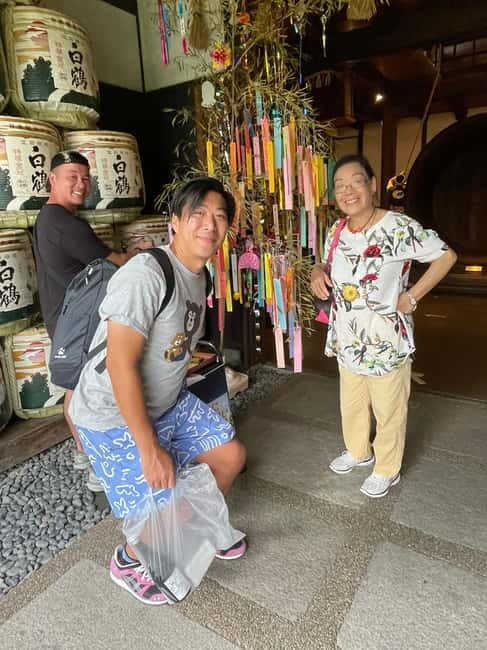
After another walk of about 10 minutes, you reach Okage Tofu-an, a shop that has made fresh tofu each morning for more than 60 years. The connection to sake is the water. Both tofu and sake depend on clean, good-quality water, and this stop gives you a break from alcohol while showing another traditional food craft.
The tasting is scheduled for about 15 minutes. If the timing is right, you may also get to try freshly made ganmodoki, a tofu and vegetable fritter. It is a small detail, but it helps the tour feel like a neighborhood food walk instead of a string of commercial tastings.
The limitation is clear: the tofu shop is closed on Sundays and public holidays. On those days, the stop is skipped and tofu tasting is not available. That does not remove the main purpose of the tour, but it does mean the experience changes depending on your date.
I like this pause because it gives your senses a reset. Sake can begin to blur together after several samples, while delicate tofu gives you something clean and mild to taste. Eat the snacks provided, too. The organizers specifically recommend having something before you arrive, and that is sound advice.
Hakutsuru’s old brewhouse and larger scale
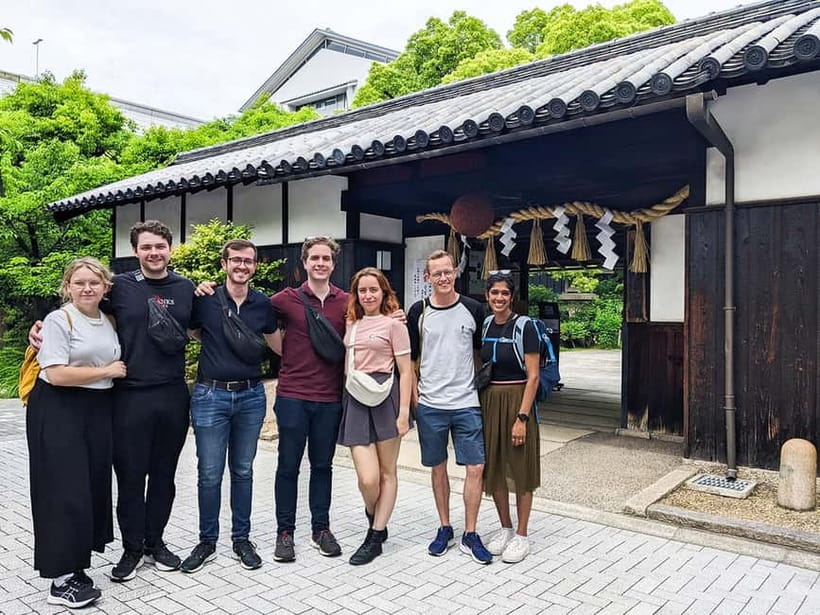
The Hakutsuru Sake Brewery Museum is the longest stop, at about one hour. Hakutsuru is described as Japan’s largest brewery, and its old brewhouse has been opened to the public in its original form.
This is where the brewing process becomes easier to picture. Instead of hearing only a short explanation at a tasting counter, you can see traditional tools and get a sense of the work once required to make sake. The museum focuses on the traditions passed through generations and the place sake holds in Japanese culture.
There is also a tasting corner and a shop in the same building. You can sample more sake here and buy bottles or souvenirs. That makes Hakutsuru a practical stop for comparing what you have tasted and deciding what you might want to take home.
The contrast with Fukuju is useful. At Kobe Shushinkan, the emphasis is on handcrafted brewing and a particular brand identity. At Hakutsuru, the scale is much larger. Neither approach is automatically better, and the tour works because you can see both ends of the local production story.
If you are thinking of buying alcohol, bring a backpack rather than a shoulder bag or a flimsy shopping sack. The tour notes that tourists with a passport may be exempt from tax on purchases over JPY 5,500 at breweries. Ask the staff about the current purchase process and keep your passport available if you plan to use that benefit.
More Sake Tastings in Japan:
- Kyoto: Insider Sake Experience with 7 Tastings and Snacks
★ 5.0 · 266 reviews - Osaka Sake Tasting with Takoyaki Cooking
★ 5.0 · 156 reviews - KOBE Sake Tasting Tour at Breweries (tasting fee included)
★ 5.0 · 154 reviews - Tokyo: Sushi and Ramen Cooking Class with Sake Pairing Set
★ 5.0 · 81 reviews
Kiku-Masamune and the Kimoto method
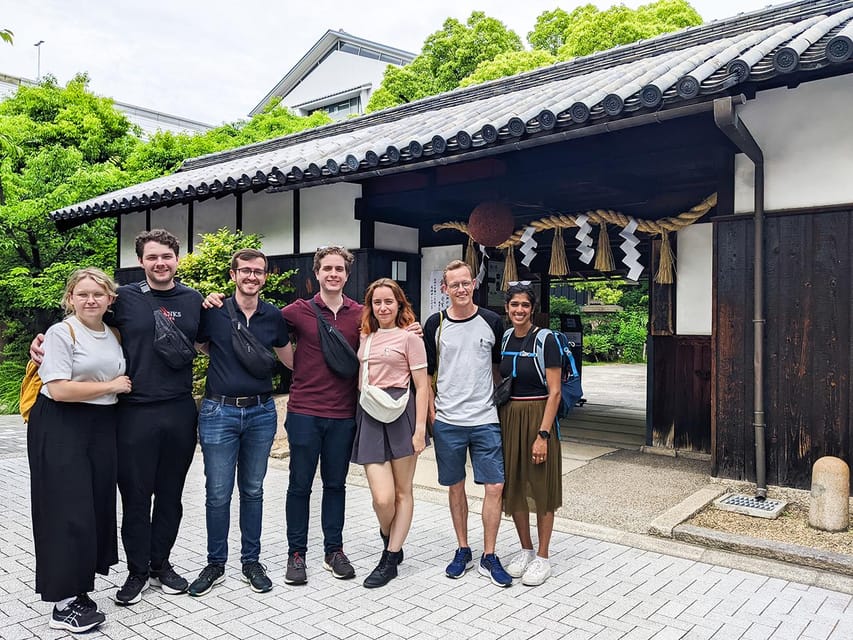
The route continues on foot to Kiku-Masamune Shuzo Kinenkan, a brewery with roots going back to 1625. This stop is especially useful if you want to understand traditional brewing methods rather than only sample finished bottles.
Kiku-Masamune is known for maintaining the Kimoto method of yeast preparation. The process is traditionally labor-intensive, and the museum displays wooden sake-making tools that help explain how brewing was done before modern equipment took over much of the work.
You have about 30 minutes here. That is enough time for a focused museum visit, an explanation of the method, and another tasting. The setting also includes a Japanese garden, which gives you a quieter pause near the end of the route.
I would save some attention for this final brewery rather than treating it as one more drink. By this point, you have seen a craft producer, a major brewery, and traditional equipment. The Kimoto method gives the tasting a technical angle and helps explain why two sakes made in the same broad region can have different character.
The exact combination of stops is not fixed. The tour usually visits three or four locations, and breweries may change because of regular closing days or weather. That flexibility is worth accepting, since it keeps the route workable rather than promising a museum that may be shut.
How the tasting works in practice
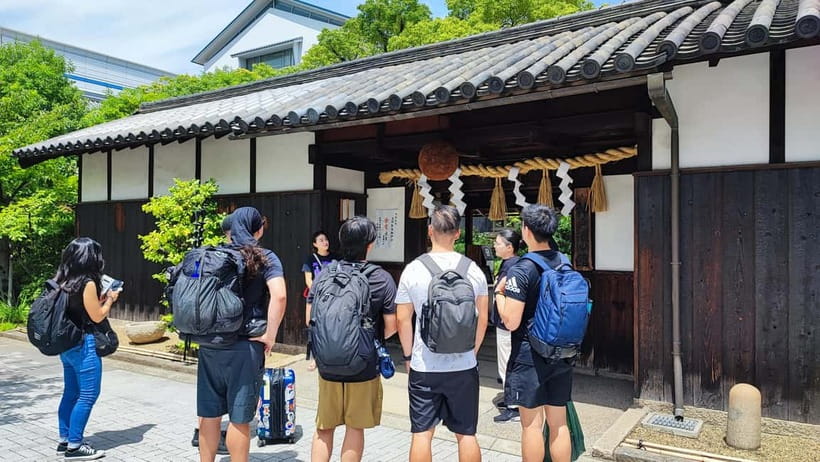
The tour includes sake samples from the breweries you visit, along with snacks. The precise number and selection can vary, but the point is comparison. You may taste different styles, production approaches, and levels of refinement over the course of the afternoon.
Your guide provides the thread that links the samples. The strongest part of this format is not simply getting alcohol at several stops. It is learning how to ask useful questions: Is this sake dry or sweet? Is it served chilled or at another temperature? How does the brewing method affect the flavor? What makes a bottle local or special to that brewery?
The English-speaking guides have different personalities. Hiro has been described as especially lively, sometimes bringing costumes and accessories into the tour. Romi is known for a warm, generous style and clear explanations. Aya, Fuma, Aki, and Hiroman have also led groups, with the experience varying naturally by guide.
That variation is normal on a small-group tour. The common strength is the personal format. With no more than 10 people, you can ask questions without shouting across a crowded room, and the guide can adjust the explanation for beginners, sake fans, or wine drinkers.
If you are a serious professional taster and intend to spit rather than swallow, contact the operator in advance. The tour is designed for drinking, but professional evaluation practices need to be arranged ahead of time.
The walking, timing, and group size
The tour lasts 210 minutes and covers roughly 4 kilometers. The route includes walks of about 20 minutes at the beginning and several shorter 10-minute sections between stops. None of that sounds difficult on paper, but alcohol, weather, and uneven energy levels can make a walking tour feel longer.
Wear comfortable shoes. Bring water and a small backpack for purchases. You should also eat before meeting the group, since the snacks and tofu tasting are not a full meal.
The small group is one of the better features for this kind of outing. You can stay close to the guide, hear the explanations, and move through the breweries without the stop-and-start feel of a large coach group. It also makes the afternoon more social, especially if you are traveling alone or with one companion.
The tour is conducted in English. If you need a wheelchair or plan to bring a stroller, tell the operator when booking. The route is on foot, so it is best to ask about suitability before the day rather than assume every brewery and pavement section will be easy to manage.
Is $106 a fair price?
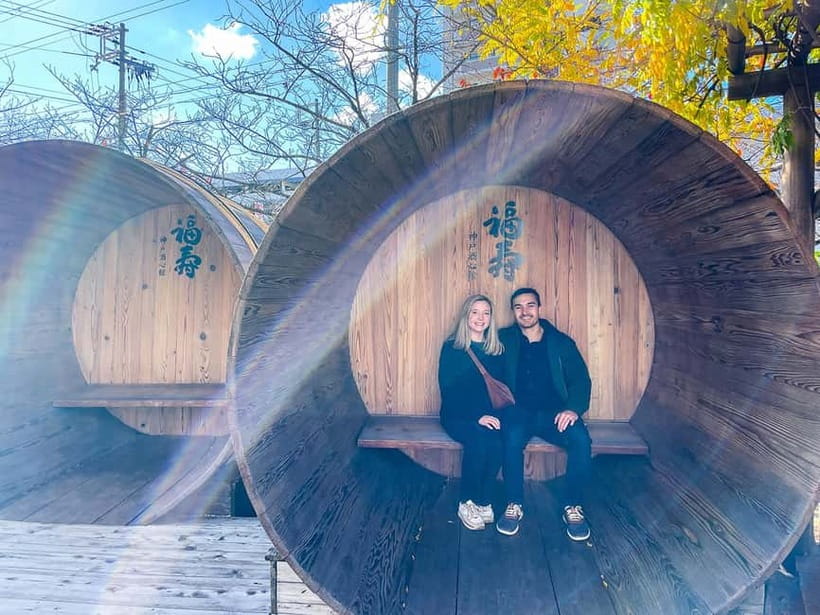
At $106 per person, this is not the cheapest way to taste sake in Kobe. You could visit a single museum or tasting room on your own for less. The value comes from combining several breweries, tastings, a guide, snacks, local food, and transportation planning into one afternoon.
I think the price makes sense if you want context. A self-guided visit can show you bottles and displays, but it may not explain the differences between Fukuju, Hakutsuru, and Kiku-Masamune in a clear sequence. Here, the guide connects the stops and helps you make sense of what you are drinking.
The value is also stronger for first-time sake drinkers. If you already know the Nada breweries well and speak Japanese, you may prefer to explore independently. For most visitors, though, the English explanations and station-to-station route save time and remove guesswork.
Free cancellation up to 24 hours before the start gives you some flexibility, and you can reserve without paying immediately. Those terms are useful, but the main question is simpler: will you make good use of three and a half hours of walking and tasting?
Who should book this Nada sake tour?
I would choose this tour if you want more than a quick drink and would enjoy learning how sake is made. It suits adults interested in Japanese food, traditional crafts, brewery museums, and the working character of Kobe’s Nada district.
It is also a good fit for wine drinkers. One participant with a wine background found the comparison worthwhile because each sake revealed different aromas and levels of complexity. You will not be tasting wine, of course, but the habit of comparing structure, finish, and production choices carries over.
The tour is less suitable if you want a relaxed seated afternoon, a full meal, or a very short tasting. You will walk between stops, and the alcohol adds up. Pregnant people and anyone under 20 cannot join.
The tour is also not ideal for someone who needs a guaranteed fixed list of breweries. The organizers may adjust the route for closures or weather. That is a practical condition, not a flaw, but you should book with the overall experience in mind rather than one promised brand.
Should you book it?
Book this tour if you want a well-organized introduction to Kobe’s sake country, especially if you value clear English guidance and several contrasting brewery stops. The mix of Fukuju, Hakutsuru, Kiku-Masamune, and local tofu gives the afternoon more depth than a basic tasting flight.
I would skip it only if you dislike walking, cannot drink alcohol, or prefer to choose every stop yourself. For everyone else, $106 buys a useful slice of Nada: old brewing tools, modern production, traditional methods, fresh tofu, and enough samples to understand why Kobe is such an important sake center.
FAQ
Where does the sake tour begin?
The tour begins at Ishiyagawa Station on the Hanshin Line at 1 p.m. Staff wear a name tag with the KampaiSakeTours logo.
Where does the tour finish?
The walking tour finishes at Uozaki Station on the Hanshin Line at about 4:30 p.m.
How many breweries will I visit?
The tour visits about three breweries, though the route may include three or four locations. Stops can change because of regular closing days or weather.
Is the tofu tasting always available?
No. Okage Tofu-an is closed on Sundays and public holidays, so the tofu stop and tasting are not available on those dates.
How much walking is involved?
You will walk about 4 kilometers between Ishiyagawa and Uozaki stations. Comfortable shoes are recommended.
Who can join the tour?
The tour is for people aged 20 and older and is not suitable for pregnant women. The experience is conducted in English and is limited to 10 participants.
Just poured in Japan
- Tokyo: Sushi Cooking Class with Sake Tasting★ 4.8 · 55 reviews
- Tokyo: Ramen Tasting Tour with 6 Mini Bowls of Ramen★ 4.9 · 432 reviews
- Tokyo: Sushi and Ramen Cooking Class with Sake Pairing Set★ 5.0 · 81 reviews
- Tsukiji: Unlimited Sake Tasting Experience★ 4.9 · 67 reviews
- Osaka Sake Tasting with Takoyaki Cooking★ 5.0 · 156 reviews
- Kyoto: Sake Brewery and Tasting Tour in Fushimi★ 4.8 · 55 reviews
- Kyoto: Local Food Tasting Tour at the Nishiki Market★ 4.7 · 135 reviews
- Kyoto: Insider Sake Experience with 7 Tastings and Snacks★ 5.0 · 266 reviews
Brewery & Beer Tastings, compared.
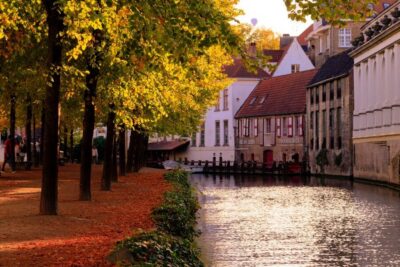
Guided Tour & Boat Ride with Optional Beer Tasting
Read our review →
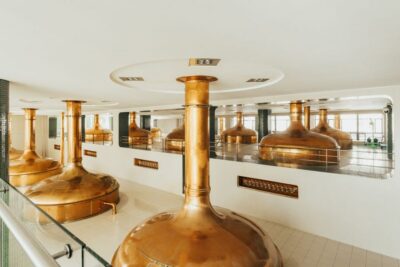
Pilsner Urquell Brewery Tour with Beer Tasting
Read our review →
Staropramem Brewery Self-Guided Tour with Tasting
Read our review →
Hidden Brewery Caverns Tour in Cincinnati with Beer Tasting
Read our review →
Porto Craft Beer Tour: 7 Beers + 3 Food Pairings in a Small Group
Read our review →Browse the lists this tour appears in