
REVIEW · SAKE TASTINGS
Osaka Sake Tasting with Takoyaki Cooking
Osaka’s soul food and Japan’s signature drink come together in one friendly two-hour class. You cook your own takoyaki, then sit down with sake selected by Momo, a sake sommelier and former brewer. It is hands-on, social, and far more useful than simply ordering a random bottle at a bar.
I like the small maximum of six, which gives Momo time to answer questions and guide each person at the pan. I also like the practical sake lesson: you learn how rice, brewing, style, and flavor affect what goes in your glass. The main consideration is that the tasting can be generous, so come hungry and be ready for more than tiny sample sips.
Key points
- Cook Osaka’s signature street food: Turn batter and fillings into your own takoyaki, with choices beyond octopus, including wagyu beef and cheese.
- Learn from a former brewer: Momo explains sake production, culture, history, and tasting in clear English or Japanese.
- Taste across more than 10 types: A seasonal selection helps you compare styles and identify what you actually like.
- Stay near Namba: The meeting point is MOMO to SAKE, on the second floor of its building in Osaka’s main entertainment area.
- Keep the group small: No more than six participants makes the cooking class personal rather than assembly-line.
- Useful for families and non-drinkers: Soft drinks are included, and children can take part in the cooking while adults taste sake.
Osaka’s best street food, made at your own pan
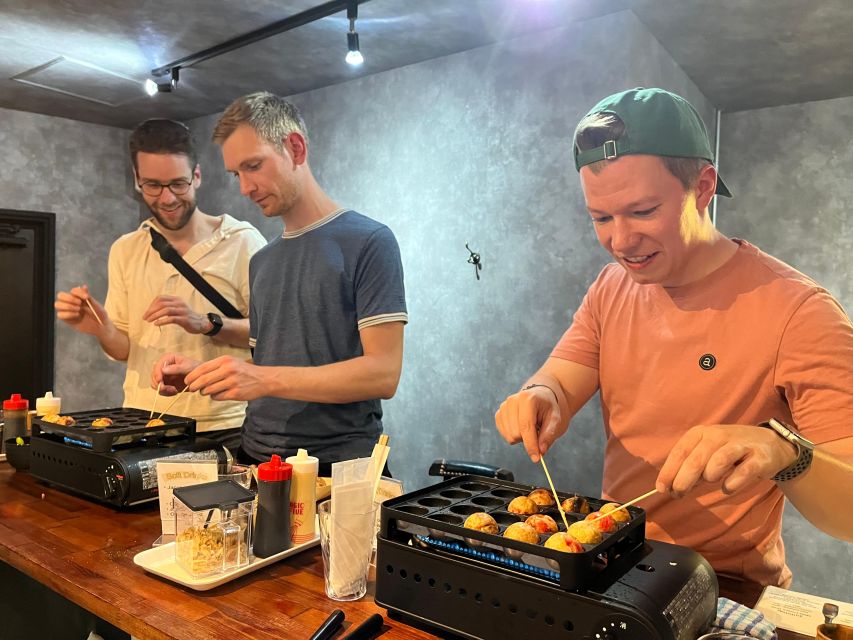
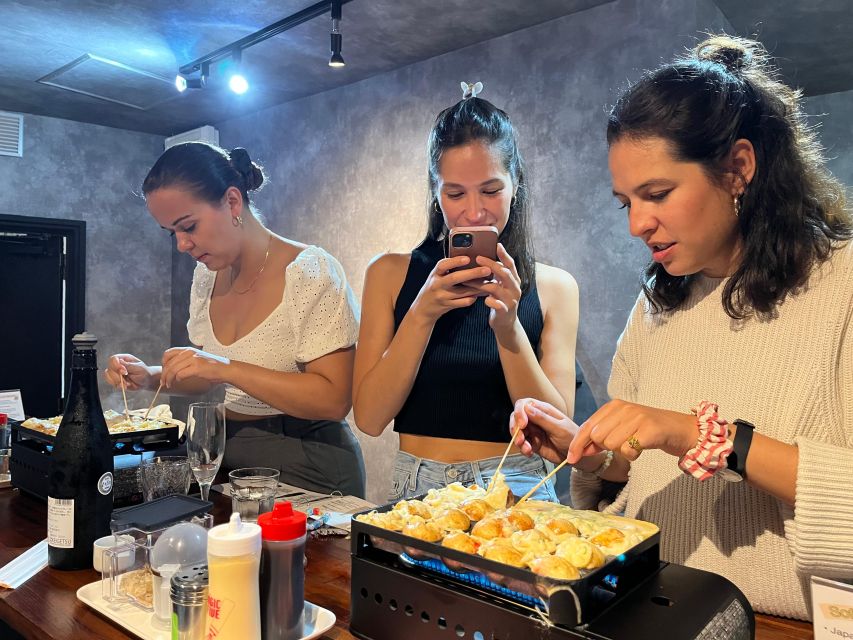
Takoyaki is one of those foods that looks easy until you try to turn it. The batter is poured into round wells, fillings are added, and the soft centers must be rotated as they cook. The result should be crisp on the outside, tender inside, and neatly round, though your first few may look more like small edible planets.
That small struggle is part of the fun. Momo gives you the method and her local recipe, then lets you do the work. I prefer this to watching a professional cook the entire dish for you, because you leave with a better sense of why takoyaki vendors move so quickly and why the cooking takes practice.
The standard filling includes octopus, but the class is not locked to one recipe. You may also use ingredients such as wagyu beef, cheese, kimchi, and corn, making it easier to suit different tastes. One guest who did not eat octopus was able to enjoy alternative fillings, and a guest with coeliac disease received an adjustment. If you have an allergy or strict dietary need, tell Momo before booking rather than assuming every ingredient can be changed.
You eat the food after cooking, before the sake tasting begins. That order matters. Takoyaki is hot, filling, and easy to enjoy with a drink, but alcohol on an empty stomach is not a clever start to an evening. Come hungry, but not so hungry that you rush the lesson.
More Sake Tastings in Japan:
- 3-Hour Kyoto Insider Sake Brewery Tour with Tastings & Pairings
★ 5.0 · 917 reviews - Kyoto: Insider Sake Brewery Tour with Sake and Food Pairing
★ 5.0 · 704 reviews - Kyoto Sake Brewery & Tasting Walking Tour
★ 5.0 · 623 reviews
What the two-hour schedule feels like
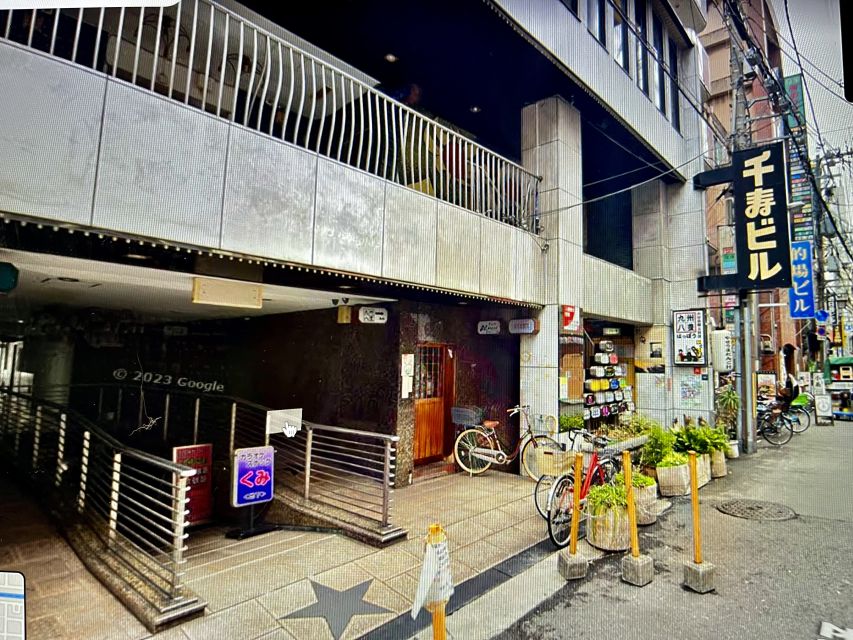
The experience takes place at MOMO to SAKE, on the second floor of the building. Its location near Osaka Namba makes it easy to pair with an afternoon in Dotonbori or an evening around the Namba streets. The meeting point is not a sightseeing stop in itself, so allow a little time to find the building and go upstairs.
The class begins with introductions and cooking instructions. Momo is warm, chatty, and patient, and her English is strong enough for detailed questions. The tone is more like being welcomed into a friend’s kitchen than attending a formal culinary school, though the instruction remains clear.
You prepare the takoyaki together, learning how to fill the pan and turn the pieces. Small groups help here. With a maximum of six people, Momo can watch what you are doing, step in when a piece needs rescuing, and let you work at your own pace. Private sessions can happen when only one booking or one couple is scheduled, but a private class is not promised.
Once the food is ready, you eat your handmade takoyaki. This is the point when the class becomes a proper meal rather than a demonstration. Several people have found their own batch surprisingly good, though the pleasure comes as much from making it as from producing perfect restaurant-shaped balls.
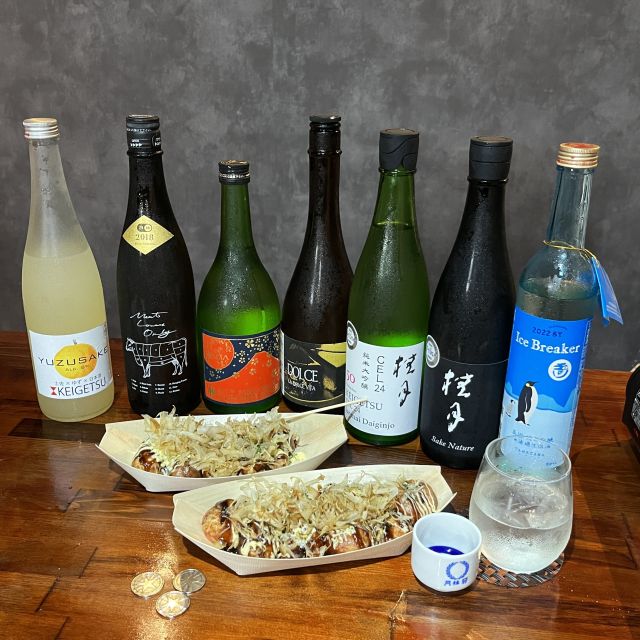
The sake lesson follows the cooking. You learn how sake is made, how its past and culture shape the drink, and how different types vary in taste. Then Momo guides you through the available bottles, helping you select from a seasonal menu. The experience includes more than 10 Japanese sake options, though the number you personally taste can vary.
The full session lasts two hours. That is enough time for cooking, eating, explanation, and tasting without turning the class into an all-day commitment. It also means the sake portion is focused. You get useful basics quickly, not a technical brewing course.
Momo’s sake lesson turns a drink into a choice
Many first-time sake drinkers face a long menu and choose by label, price, or guesswork. This class gives you a better starting point. Momo, who works as a sake sommelier and formerly brewed sake, explains the main differences in plain language and connects those differences to what you taste.
You are not expected to know specialist terms. The lesson covers the making process, broad styles, flavor profiles, and ways to taste. Momo can also explain how to choose sake later, which is one of the most useful parts of the experience for anyone planning to visit sake bars or buy bottles during a Japan trip.
I particularly like the practical nature of this teaching. Instead of treating sake as a precious subject that requires years of study, Momo helps you notice patterns. You may find that you prefer something light, dry, fragrant, full-bodied, or gently sweet. You may also discover that your favorite style changes when paired with food.
The selection is seasonal, so the exact bottles are not fixed. That is good for freshness and variety, but it means you should not book expecting a particular brand or flavor. The tasting is designed around comparison and personal preference, not a set list that never changes.
The pours are described by participants as generous, with some tasting seven or eight different sakes during the session. The formal information promises more than 10 types available, not that every participant will drink all of them. This is a real tasting with enough alcohol to matter, not a token sip of three drops per glass.
Soft drinks are included. That makes the class workable for people who do not drink alcohol, and for families where only some members want sake. Children can join the takoyaki cooking, while adults taste. The activity is still food-focused, but it is not an alcohol-free cooking class, so choose it with the group’s interests in mind.
Why the food and sake pairing works
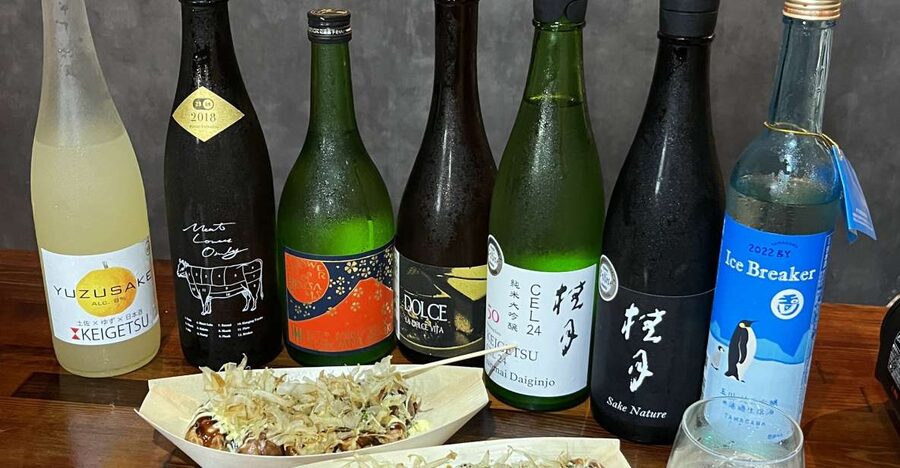
Takoyaki has a soft, savory center and a crisp cooked shell. Its toppings and fillings give it plenty of flavor, so it makes a useful match for comparing sake. A drink that seems sharp on its own may feel cleaner with food, while a fuller style can hold up to the rich batter and toppings.
You do not need a trained palate to benefit. The class gives you a chance to taste side by side and decide what you like. I would take a small note on your phone after the session, especially if you plan to buy sake later in Osaka, Kyoto, or Tokyo. Record a few simple words such as dry, floral, light, rich, or sweet. That will help you explain your preference at a bottle shop.
Momo also shares small serving and tasting tips. The point is not to memorize every technical detail. It is to leave able to order with more confidence and ask a better question than What is popular?
The food makes the lesson relaxed. You can talk while cooking, compare your shapes, and ask about daily life in Japan as well as sake. Several sessions have turned into easy conversation about local bars and places to go afterward. Suggestions for nearby bars may be available, but they are not a formal part of the advertised itinerary.
More Cooking Classes in Japan:
- Tokyo: Sushi and Ramen Cooking Class with Sake Pairing Set
★ 5.0 · 81 reviews - Tokyo: Sushi Cooking Class with Sake Tasting
★ 4.8 · 55 reviews - Rome: Pasta Making Class with Wine, Limoncello, and Dessert
★ 4.9 · 3,177 reviews - Rome Cooking Class: Make Pasta and 3 Spritz Cocktails
★ 5.0 · 2,937 reviews
A good fit for couples, families, and curious drinkers
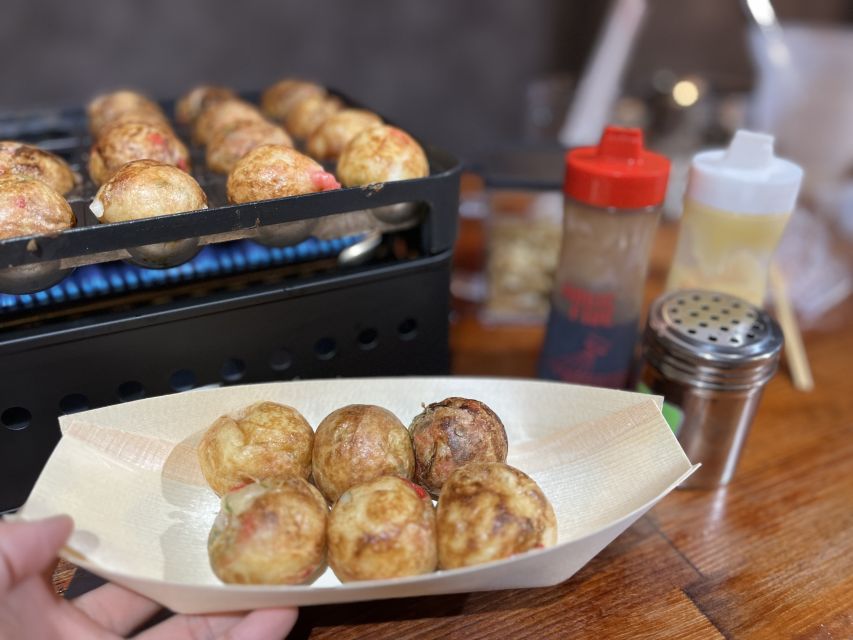
This experience suits couples who want something more personal than a large bus tour. It also works well for friends, solo visitors, and small family groups. The six-person limit creates room for conversation, and the cooking gives everyone a task instead of leaving one person to watch.
It is especially useful early in an Osaka stay. After the class, you can use your new sake vocabulary when ordering in Namba. You may also start noticing how takoyaki is prepared at street stalls, since you will have tried the same turning technique yourself.
Families should note the alcohol element. Children can enjoy the cooking and soft drinks, and Momo has made the session comfortable for groups with children, but this is not a child-only activity. Parents should decide if a sake tasting fits their plans.
The class is also a good choice for someone who does not eat octopus, provided you arrange an alternative in advance. Wagyu beef, cheese, kimchi, and corn have all been used as other fillings. Dietary changes are not automatically guaranteed, so clear communication matters.
I would not choose this for someone seeking a quiet, formal tasting with a strict lecture format. The atmosphere is social, interactive, and hands-on. You will be cooking, talking, and tasting rather than sitting silently through a specialist presentation.
Is $70 a fair price?
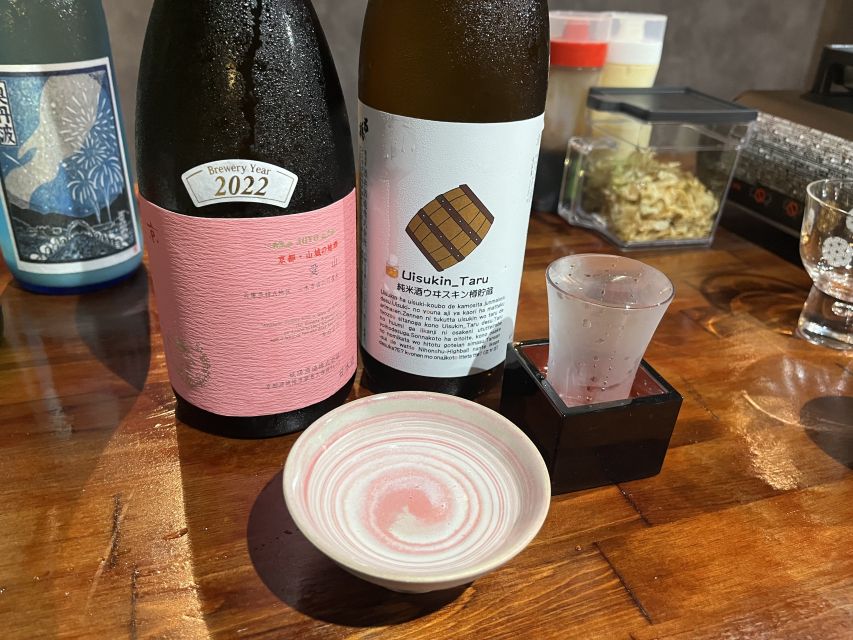
At $70 per person, this is not the cheapest way to eat takoyaki or sample sake in Osaka. You can find street food for much less, and a sake bar may let you order one glass at a time. The value here comes from combining three things: instruction, a meal you prepare yourself, and guided access to a broad sake selection.
The former-brewer background is important. You are not simply being handed random bottles with a few tasting notes. Momo can explain how the drink is made and help connect production choices to flavor. That is useful if you want to understand sake rather than just consume it.
The amount of food and drink also affects the calculation. The class includes all cooking ingredients, instructions, more than 10 sake choices, and soft drinks. Some sessions include several generous pours and enough takoyaki to leave people full. If you value a substantial evening activity, the price is easier to justify.
The strongest value is for people who plan to keep drinking sake during the rest of their Japan trip. One good lesson can prevent a string of uninformed orders and help you choose bottles you actually enjoy. If you only want a quick snack and one drink, this class may feel too long and too expensive.
Free cancellation is available up to 24 hours before the activity for a full refund, and you can reserve now and pay later. Check the available start times when booking, since the class runs for two hours and the schedule can change.
Practical details before you book
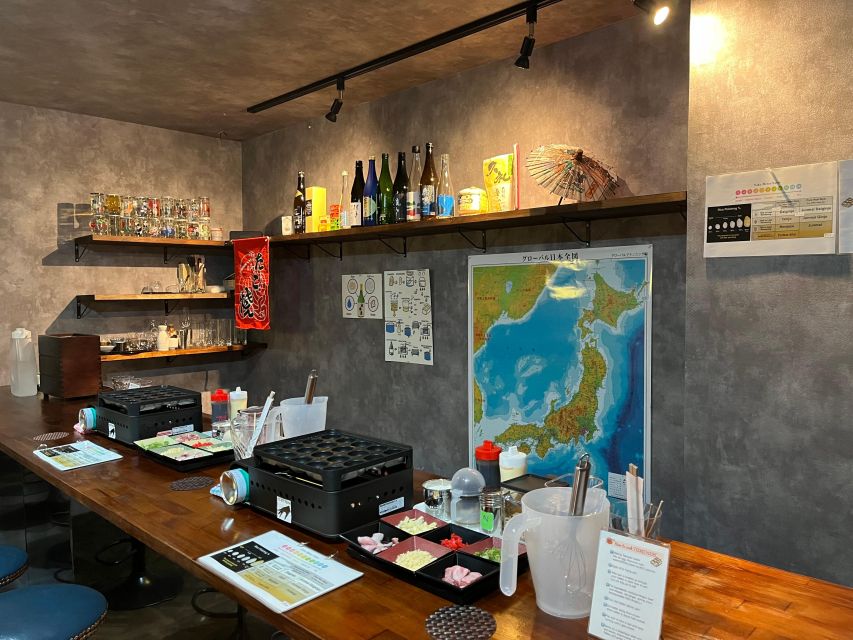
The meeting point is MOMO to SAKE, on the second floor of the building. It is in the Osaka Namba area, so it is convenient if you are staying near Namba, Dotonbori, or other central Osaka sights.
Instruction is available in English and Japanese. Momo’s clear English has helped international participants ask detailed questions about brewing, flavor, and Japanese drinking customs. If you have a particular interest, such as dry sake, food pairing, or bottle shopping, bring those questions with you.
Wear something comfortable enough for a cooking activity. The class requires participation at the takoyaki pan, so this is not a sit-back-and-watch event. Come hungry, but remember that the tasting follows the meal and the pours may be substantial.
The activity is limited to six people. That is a major advantage over a large cooking class, but it also means spaces may be limited on popular dates. The instructor is Momo, also referred to as Momoko, and she leads both the food and sake portions.
Bring a sensible plan for afterward. You may feel quite full, and if you take part in several tastings, you should not plan to drive. The experience is near central Osaka, where you can continue on foot or use public transportation.
Who should book this Osaka experience?
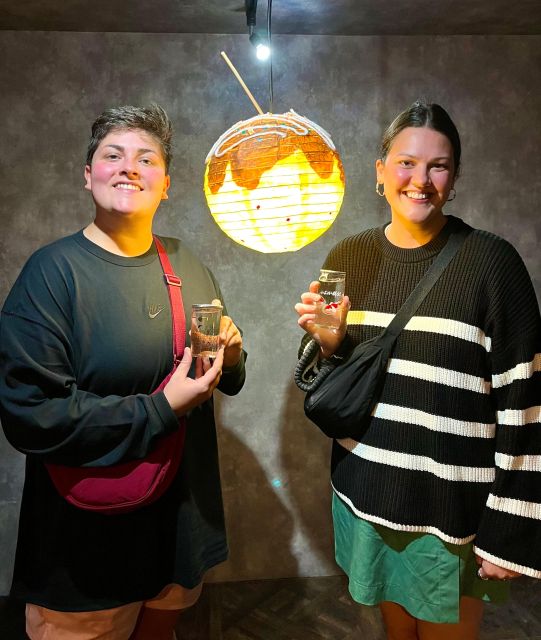
I would book this if you want to understand two central parts of Osaka food culture through your own hands and taste buds. You will make takoyaki instead of only buying it, and you will learn enough about sake to make smarter choices later.
It is a particularly strong pick for first-time visitors, couples, small groups, and anyone who has felt lost in front of a sake menu. It also suits families if the adults want the tasting and the children are happy with cooking and soft drinks.
I would skip it if you do not drink, do not enjoy group conversation, or want a tightly scripted professional cooking lesson. The class depends on participation, questions, and a relaxed mood.
For most food lovers, the $70 price is reasonable because the class gives you a meal, a cultural lesson, and a useful introduction to sake in one short session. Book it near the start of your Osaka stay, and you can put your new sake skills to work for the rest of your trip.
FAQ
Where does the Osaka sake and takoyaki experience meet?
The meeting point is MOMO to SAKE, located on the second floor of the building, with easy access from the main Osaka Namba area.
How long does the experience last?
The activity lasts two hours. Check availability for the exact starting times.
How many people can join?
The group is limited to six participants, making it a small-group activity.
What languages are available?
Instruction is offered in English and Japanese.
How many types of sake can I taste?
More than 10 types of Japanese sake are available, selected from a seasonal menu. The exact number you taste during the session can vary.
Are soft drinks included?
Yes. Soft drinks are included for participants who do not want sake or who want a nonalcoholic option.
Can I cancel for a refund?
Yes. You can cancel up to 24 hours in advance for a full refund. You can also reserve now and pay later.
Just poured in Japan
- Tokyo: Sushi Cooking Class with Sake Tasting★ 4.8 · 55 reviews
- Tokyo: Ramen Tasting Tour with 6 Mini Bowls of Ramen★ 4.9 · 432 reviews
- Tokyo: Sushi and Ramen Cooking Class with Sake Pairing Set★ 5.0 · 81 reviews
- Tsukiji: Unlimited Sake Tasting Experience★ 4.9 · 67 reviews
- Kyoto: Sake Brewery and Tasting Tour in Fushimi★ 4.8 · 55 reviews
- Kyoto: Local Food Tasting Tour at the Nishiki Market★ 4.7 · 135 reviews
- Kobe: Guided Sake Breweries Tour with Tastings★ 5.0 · 55 reviews
- Kyoto: Insider Sake Experience with 7 Tastings and Snacks★ 5.0 · 266 reviews
Sake Tastings, compared.
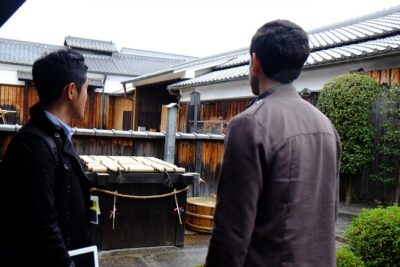
3-Hour Kyoto Insider Sake Brewery Tour with Tastings & Pairings
Read our review →
Insider Sake Brewery Tour with Sake and Food Pairing
Read our review →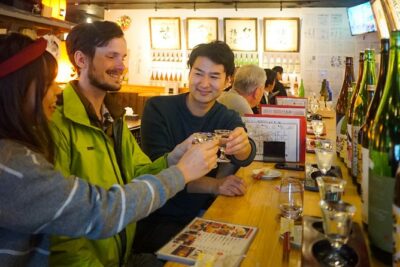
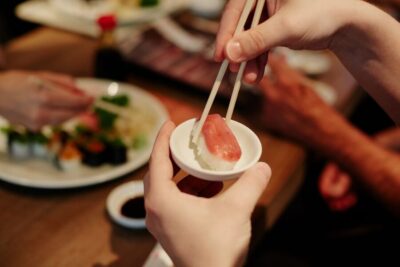
Düsseldorf: Sushi, Sake & Japanese Lifestyle Tour
Read our review →
Insider Sake Experience with 7 Tastings and Snacks
Read our review →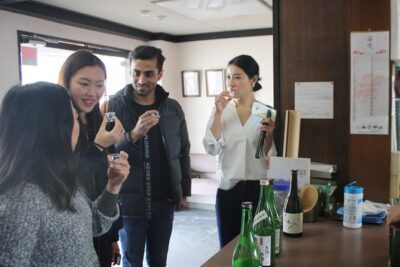
KOBE Sake Tasting Tour at Breweries (tasting fee included)
Read our review →
Sushi and Ramen Cooking Class with Sake Pairing Set
Read our review →
Browse the lists this tour appears in