
REVIEW · SAKE TASTINGS
Tsukiji: Unlimited Sake Tasting Experience
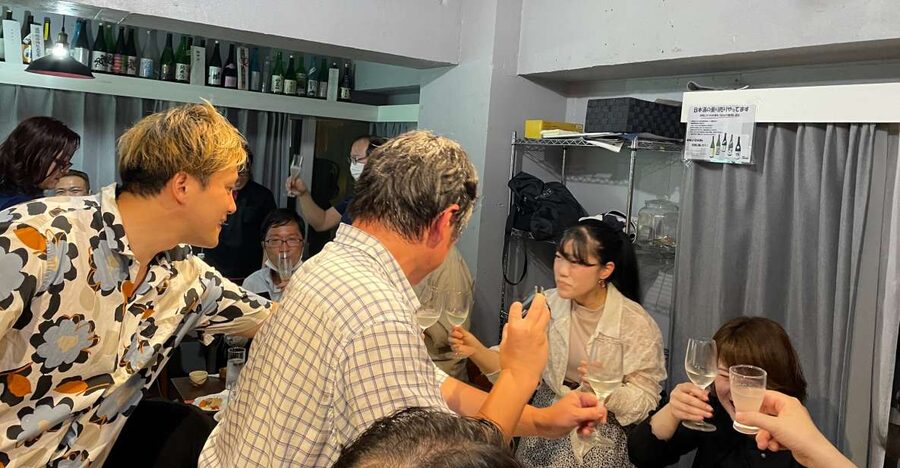
This is not a quick shot of sake at a crowded bar. In a private Tsukiji salon, you work through a broad selection from breweries around Japan, learning why one bottle tastes sweet and gentle while another is dry, bitter, or full-bodied. The selection can include 50 to 60 different sakes, though you will usually taste around 20 to 30 in the session.
I like the way the host explains each bottle before you taste it, giving the drink a place and a story instead of leaving you to guess. I also like the temperature comparison, since sake can change noticeably when served cold, at room temperature, or warm. The main consideration is that 90 minutes goes quickly, and the advertised description also refers to a two-hour tasting period, so check the exact session details when booking.
Key points to know before you go
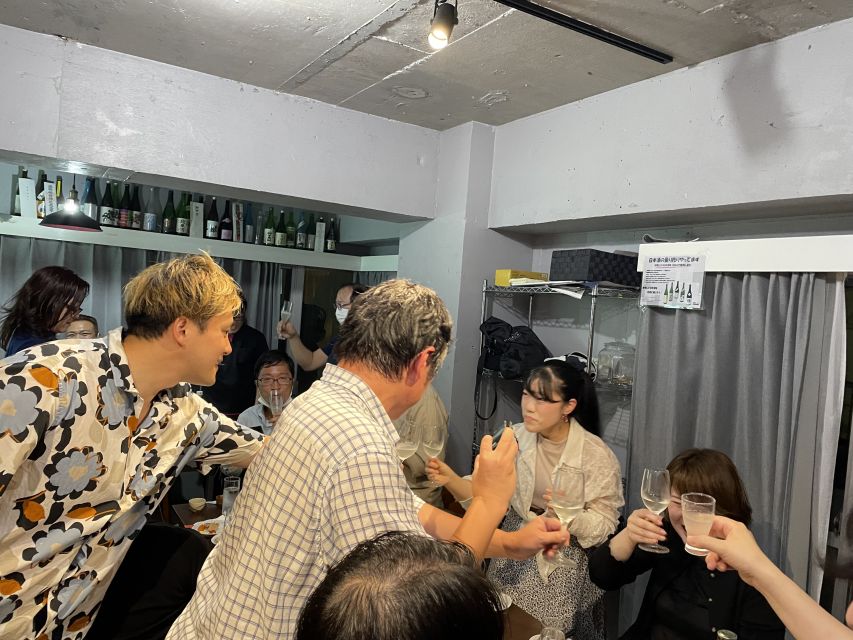
- Taste by style, not just by brand: The selection lets you compare sweet, dry, light, rich, gentle, and more forceful sake from different breweries.
- Small groups improve the lesson: Some sessions have only one to three people, creating time for direct questions and personal recommendations.
- Temperature changes the drink: You taste sake at different temperatures and notice how its aroma and flavor shift.
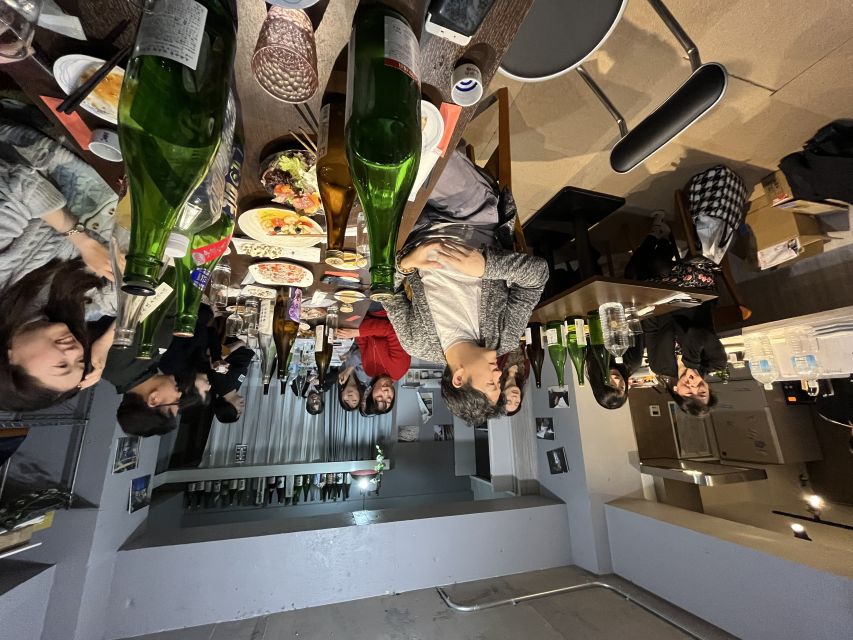
- Light snacks are available: Cheese, rice crackers, and similar nibbles help clear your palate, but this is not a meal.
- English guidance is provided: Hosts including Mako, Yuki, and Kyoko have led sessions with a friendly, informal teaching style.
- Find the right door: Enter the red brick building, take the elevator to the fourth floor, and use the first door on the left, number 405.
Why this Tsukiji tasting is worth your time
Tsukiji is often treated as a food stop, but this experience gives you a different way to understand Japanese drinking culture. Rather than ordering one familiar bottle and hoping for the best, you can compare sake side by side. That makes the price of $54 easier to judge.
If you taste 20 pours, you are paying about $2.70 per sample before counting the instruction, setting, snacks, and access to the wider collection. You may not get through all 50 to 60 choices, and you should not try to drink recklessly just to chase a number. The value comes from the guided comparison, not from the amount of alcohol.
I especially like this format for anyone who has only tried basic sake at a restaurant or supermarket. Several styles may taste completely different from what you expect. A gentle, slightly sweet pour can lead to a dry, crisp one, followed by something with more weight and a longer finish. By the end, you have a better idea of what to ask for at dinner.
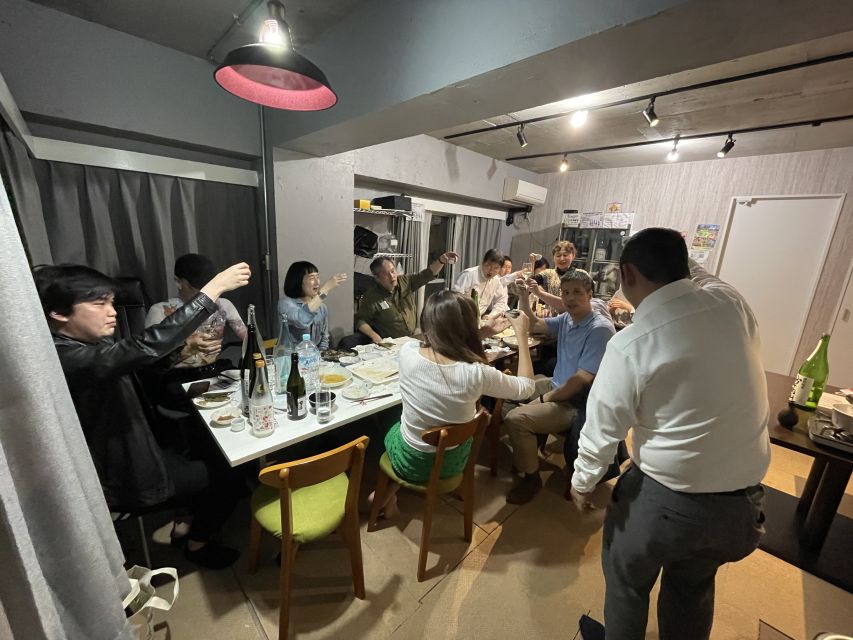
The setting also matters. This is a private salon rather than a large public tasting room, so the session can feel personal. Small groups are common, and an undersubscribed time may become almost a private lesson. That is good news if you want to ask basic questions without feeling self-conscious.
More Sake Tastings in Japan:
- 3-Hour Kyoto Insider Sake Brewery Tour with Tastings & Pairings
★ 5.0 · 917 reviews - Kyoto: Insider Sake Brewery Tour with Sake and Food Pairing
★ 5.0 · 704 reviews - Kyoto Sake Brewery & Tasting Walking Tour
★ 5.0 · 623 reviews
Arriving at Sake Lovers Inc in Tsukiji
The meeting point is Sake Lovers Inc, written in Japanese as サケ・ラバーズ株式会社. You are looking for a red brick building, then taking the elevator to the fourth floor. The first door on the left is room 405.
This is worth noting because the meeting point is a business address rather than a famous sightseeing entrance. Give yourself enough time to find the building and the correct door. Once inside, the experience takes place in a private salon, away from the noise of the street.
The host or greeter speaks English. The tone is friendly and relaxed, and the teaching adjusts to your starting point. If you know nothing about sake, you can ask basic questions. If you already order it with meals, you can spend more time on brewery differences, production methods, and finer points of taste.
The opening lesson: how sake gets its character
The session begins with an explanation of sake, its brewing process, and its place in Japan. You learn that sake is not one uniform drink. Rice choice, brewing methods, polishing, yeast, water, storage, and the character of the brewery all shape the final bottle.
You do not need a technical background to enjoy this part. The useful point is that sake has as much range as wine or beer, even though many people first encounter only one or two familiar types. The host explains the brewery, the bottle, and the story behind each pour before you taste it.
That order is important. You receive context first, then test the drink yourself. You can pay attention to sweetness, acidity, aroma, weight, dryness, and finish instead of simply deciding if you like the first sip.
Hosts such as Mako, Yuki, and Kyoko have guided sessions. Each brings a slightly different personality, but the common strength is a clear enthusiasm for sake and a willingness to answer questions. This is not a memorized lecture that leaves you on your own afterward.
Tasting 20 to 30 samples from a much larger selection
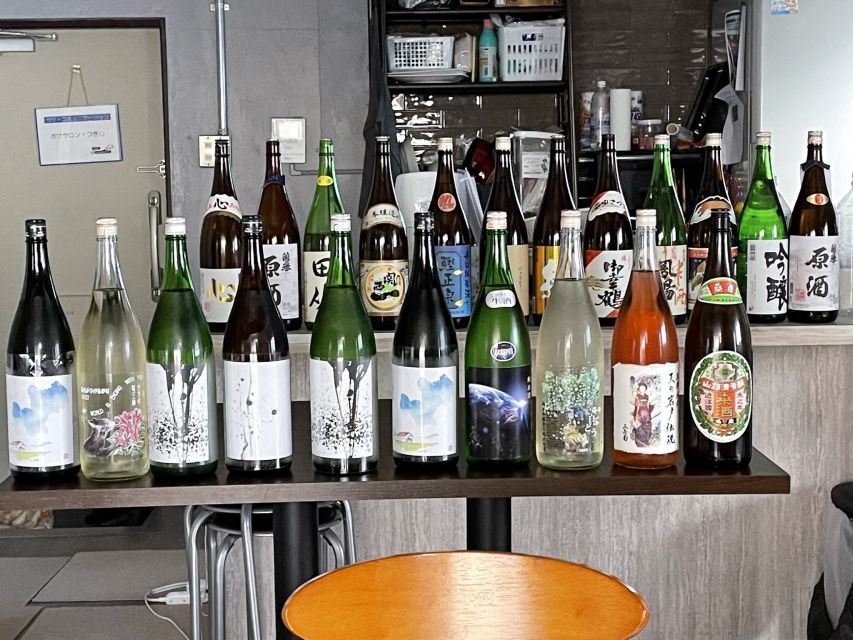
The headline selection includes roughly 50 to 60 sakes from breweries around Japan. You will not necessarily taste every bottle. In practice, a session may include around 20, and some have reached roughly 30, depending on the pace and the group.
That is still a substantial range for 90 minutes. The host may move through the bottles in a sensible progression, starting with lighter or gentler styles and moving toward stronger flavors. You can compare one pour with the next while the differences are fresh in your mind.
The selection may include bottles you would not normally encounter in an ordinary Tokyo bar. That is one of the most useful parts of the session. It gives you a chance to learn your own preferences instead of relying on a label or price.
I suggest taking mental notes, or asking the host to repeat the name of a favorite. One practical limitation is that the bottles you like may not all be available for purchase at the salon. If you hope to take something home, ask about buying options while you are there. Some participants have been able to buy selected bottles, but not every favorite has been available.
The all-you-can-drink wording needs sensible handling. It means you can sample the available sake without paying separately for each taste during the session. It does not mean you should rush or treat the event as a drinking contest. With this many samples, pacing and water matter.
More Drinks Tours in Japan:
- Best of Shinjuku: Izakaya Food Tour (4 Stops, 14+ Tastings)
★ 5.0 · 1,863 reviews - Tokyo: Ramen Tasting Tour with 6 Mini Bowls of Ramen
★ 4.9 · 432 reviews - Kyoto: Insider Sake Experience with 7 Tastings and Snacks
★ 5.0 · 266 reviews - Osaka Sake Tasting with Takoyaki Cooking
★ 5.0 · 156 reviews
Temperature tasting makes the lesson memorable
Many people first think of sake as either cold or warm. This experience shows why that is too simple. You taste the beverage at different temperatures and notice how the aroma, texture, sweetness, and finish shift.
A sake that feels restrained when chilled may seem rounder and more aromatic when warmer. Another may show its clean edge more clearly when served cold. The point is not that one temperature is always best. The right choice depends on the style and your own taste.
This is one of the most practical lessons to take to a restaurant. If you dislike a sake at one temperature, that does not always mean you dislike the sake itself. You may prefer the same bottle served differently.
The comparison also keeps the session from becoming a long series of anonymous samples. You are not only asking which bottle you prefer. You are learning how the serving method changes the experience.
Cheese, rice crackers, and a little palate support
Light snacks are available during the tasting, including cheese, rice crackers, and similar foods. These help you handle the steady stream of samples and give you a way to compare sake with simple flavors.
Do not confuse the snacks with a full meal. Food is not included as a separate meal service, so eat beforehand if you know you will need something substantial. The snacks are there to support the tasting, not replace lunch or dinner.
The pairings are useful because sake can taste different with food. A pour that seems sharp on its own may feel softer beside cheese. Rice crackers provide a plain, familiar base between samples. You can use these moments to reset your palate and avoid letting every taste blur together.
Water is also important. The tasting format includes plenty of opportunity to drink water between samples, and you should use it. A slower pace will help you notice more and feel better afterward.
Group size, atmosphere, and the teaching style
The group size can vary. Some sessions have several people, while others have only one, two, or three participants. A small group gives you more time with the host and makes the event feel close to a private class.
That does not guarantee a private booking. It simply means the experience may be especially personal if few people reserve your time. Larger groups can bring a social side, since you meet people from different countries and compare favorites.
The atmosphere is informal rather than stiff. Hosts answer questions, adjust explanations to the group, and encourage you to taste rather than memorize. That suits beginners well. You do not need to know Japanese brewing terms before arriving.
I would choose this experience for couples, friends, solo visitors, and curious food lovers. It also works for a parent and adult child who want an activity that gives them something to discuss. The family-friendly policy allows children to attend, but alcohol will not be served to them, and you must bring their own nonalcoholic drinks.
What the $54 price really buys you
At $54 per person, this is not the cheapest way to drink sake in Tokyo. You could order one or two glasses at a bar for less. But that comparison misses the main point.
Here, you are paying for access to a broad selection, an English-speaking sommelier, explanations of breweries and production, temperature comparisons, snacks, and a private setting. If you are serious about understanding sake, the concentrated format offers better value than guessing your way through separate restaurant orders.
The price is less compelling if you only want a single drink before dinner. It is also less suitable if you dislike guided tastings or prefer to explore alone. You should book it for the lesson and range, not simply for unlimited alcohol.
The free cancellation policy allows a full refund when you cancel at least 24 hours ahead. You can also reserve and pay later, which helps if your Tokyo schedule is still changing.
Practical limits to keep in mind
The biggest practical issue is timing. The activity is listed as 90 minutes, while the tasting description refers to two hours. Check the precise duration shown for your chosen session so you do not plan a tight connection afterward.
The experience is not suitable for pregnant women or wheelchair users. No hotel pickup or drop-off is included, so you make your own way to Tsukiji and the red brick building.
Food is not included, though tasting snacks are available. I would have a proper meal before or after, especially if you plan to sample at the upper end of the range.
The alcohol selection may change. You should expect a wide choice, but not a guaranteed bottle list. If you find a favorite, ask the host for the exact name and whether it can be purchased or ordered. That small step can save you from forgetting the bottle you liked most.
Who should book this Tsukiji experience?
Book it if you want to understand why sake tastes different from bottle to bottle. It is particularly good for beginners, people who have only tried basic sake, and anyone who wants practical confidence ordering with Japanese food.
You should also book it if you value a small, personal setting. The possibility of a session with only a few people is a real advantage, especially for anyone who enjoys questions and conversation.
I would skip it if your main goal is a filling meal, a quick drink, or a formal tour of a brewery. This is a tasting and lesson in a private salon. It does not include hotel transport, a full food pairing course, or a visit to a production site.
Should you book the Tsukiji sake tasting?
Yes, if you want a friendly and focused introduction to Japanese sake. The strongest parts are the range of bottles, the clear English instruction, the temperature comparison, and the chance to taste in a small group with hosts such as Mako, Yuki, or Kyoko.
Book with a reasonable plan. Eat first, drink water, pace yourself, and do not assume every one of the 50 to 60 bottles will be poured. If you want to buy a favorite, ask early. For $54, I see this as a good value for a curious drinker who wants useful knowledge to carry into the rest of a Japan trip.
FAQ
How long does the sake tasting last?
The activity information lists a duration of 90 minutes. The tasting description also refers to two hours, so check the exact duration and start time for your selected session when booking.
How many kinds of sake can I try?
The salon has about 50 to 60 different kinds available to sample. The number you actually taste varies by session, with examples ranging from about 20 to 30 sakes.
Is the tasting conducted in English?
Yes. The host or greeter speaks English, and the listed activity language is English.
Where is the meeting point?
Meet at Sake Lovers Inc, written as サケ・ラバーズ株式会社. Enter the red brick building, take the elevator to the fourth floor, and go to the first door on the left, room 405.
Are snacks included?
Light snacks such as cheese and rice crackers are available during the tasting. A full meal is not included, so plan to eat separately.
Can children attend?
Yes. The experience is family-friendly, but alcohol will not be served to children. You must bring their own nonalcoholic drinks.
Is hotel pickup provided?
No. Hotel pickup and drop-off are not included.
Can I cancel for a full refund?
Yes. You can cancel up to 24 hours in advance for a full refund. A reserve-now, pay-later option is also available.
Just poured in Japan
- Tokyo: Sushi Cooking Class with Sake Tasting★ 4.8 · 55 reviews
- Tokyo: Ramen Tasting Tour with 6 Mini Bowls of Ramen★ 4.9 · 432 reviews
- Tokyo: Sushi and Ramen Cooking Class with Sake Pairing Set★ 5.0 · 81 reviews
- Osaka Sake Tasting with Takoyaki Cooking★ 5.0 · 156 reviews
- Kyoto: Sake Brewery and Tasting Tour in Fushimi★ 4.8 · 55 reviews
- Kyoto: Local Food Tasting Tour at the Nishiki Market★ 4.7 · 135 reviews
- Kobe: Guided Sake Breweries Tour with Tastings★ 5.0 · 55 reviews
- Kyoto: Insider Sake Experience with 7 Tastings and Snacks★ 5.0 · 266 reviews
Sake Tastings, compared.
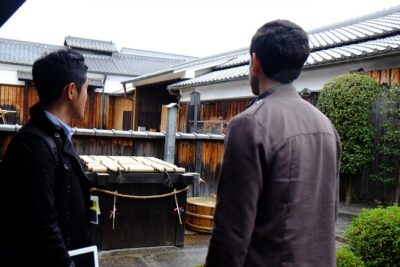
3-Hour Kyoto Insider Sake Brewery Tour with Tastings & Pairings
Read our review →
Insider Sake Brewery Tour with Sake and Food Pairing
Read our review →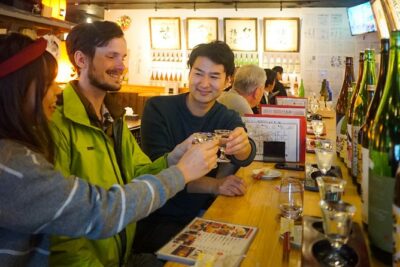
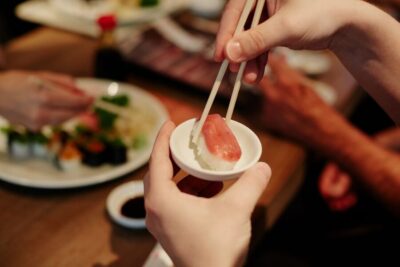
Düsseldorf: Sushi, Sake & Japanese Lifestyle Tour
Read our review →
Insider Sake Experience with 7 Tastings and Snacks
Read our review →
KOBE Sake Tasting Tour at Breweries (tasting fee included)
Read our review →
Sushi and Ramen Cooking Class with Sake Pairing Set
Read our review →Browse the lists this tour appears in