
REVIEW · DRINKS TOURS
Tokyo: Ramen Tasting Tour with 6 Mini Bowls of Ramen
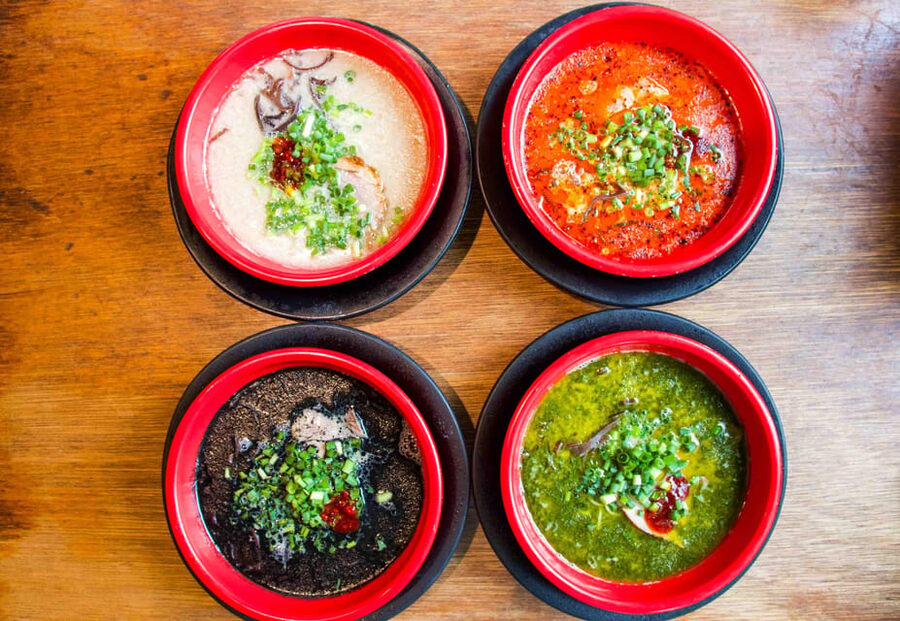
Six ramen bowls in three hours sounds excessive until you see the clever format: each bowl is about one-quarter the size of a normal serving, and you choose six from 11 or 12 options. That lets you compare styles that would be impossible to sample in one ordinary meal.
I especially like the three-shop format, since each stop has its own character, and the short lessons that explain why Hokkaido, Kyushu, Tokyo, curry, chicken, and dipping ramen taste so different. The main drawback is price: at $122 per person, this is far more than buying one bowl of ramen on your own. You also walk about 3 kilometers, so this is not a sit-down food crawl.
The ramen tour at a glance
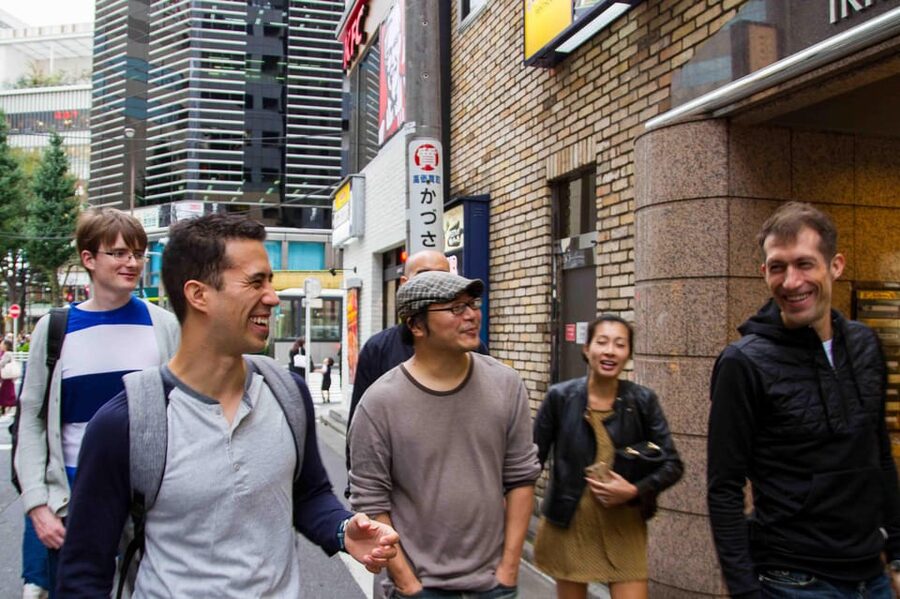
- Six quarter-size bowls: Choose your own six ramen from 11 or 12 choices, with two bowls usually sampled at each shop.
- Three Tokyo neighborhoods: Routes cover Shibuya, Shinjuku, or Ueno, with the exact route depending on the option and day.
- A useful ramen lesson: Learn about ramen origins, regional styles, noodles, broths, and preparation through slides and handouts.
- Small groups of up to eight: The compact group makes it easier to ask questions and keep the shop visits manageable.
- One drink included: Your beverage helps break up the tasting, but the six bowls are the main event.
- A substantial walking route: You walk between shops and may use trains, with train fares not included.
Why six small bowls work better than one big bowl
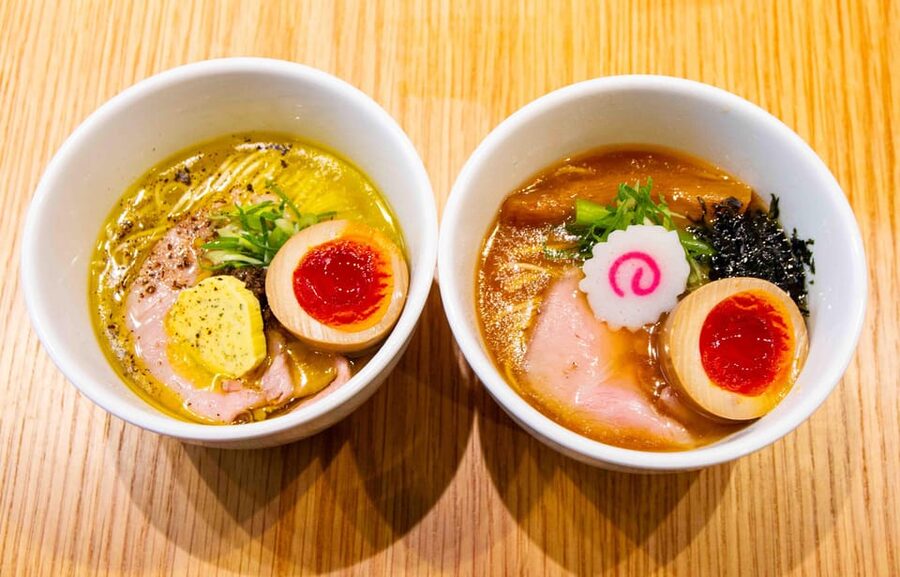
Ramen is not one dish. It is a broad family of noodle soups and dipping dishes shaped by region, cooking technique, broth, seasoning, and noodle style. If you order only one bowl, you may leave Tokyo thinking ramen means tonkotsu, the creamy pork-bone style found on many menus abroad.
This tour gives you a better sample. You might begin with a familiar soy-based or salt-seasoned ramen, then move to a creamy chicken broth, curry ramen, or tsukemen, where noodles arrive separately from the dipping soup. The contrast is the point.
The bowls are small, but do not mistake that for a light snack. Six quarter portions add up, especially when some broths are thick or strongly seasoned. I would treat this as your main meal and eat very little beforehand. One person who took the tour after a normal meal found the final bowl difficult to finish, while another described the six servings as a satisfying full meal.
The walking helps. You do not sit in one place and eat six courses back to back. The route gives you time to move, talk, and let the last bowl settle before the next one appears.
More Drinks Tours in Japan:
- Best of Shinjuku: Izakaya Food Tour (4 Stops, 14+ Tastings)
★ 5.0 · 1,863 reviews - 3-Hour Kyoto Insider Sake Brewery Tour with Tastings & Pairings
★ 5.0 · 917 reviews - Kyoto: Insider Sake Brewery Tour with Sake and Food Pairing
★ 5.0 · 704 reviews
What happens at the three ramen shops
The exact neighborhood route changes, but the structure remains similar. You visit three award-winning shops, taste two mini bowls at each, and hear the guide explain what makes each style different.
The shops are not simply chosen for easy access. Some routes require walking and subway travel between stops, which takes extra time but gives you a broader look at Tokyo. You are not limited to one convenient restaurant near the meeting point.
At each shop, the guide helps you choose from the available selection. This is important because 11 or 12 choices can feel confusing when you are hungry and unfamiliar with Japanese ramen terms. The guide also explains how to eat the bowl, compare the broth, and notice the noodles and toppings.
You should expect compact ramen-shop settings rather than a long, formal restaurant meal. The appeal is sampling good bowls in places selected for their distinct styles, then moving on before one flavor takes over your palate.
The Shibuya route: Hokkaido, tonkotsu, and curry
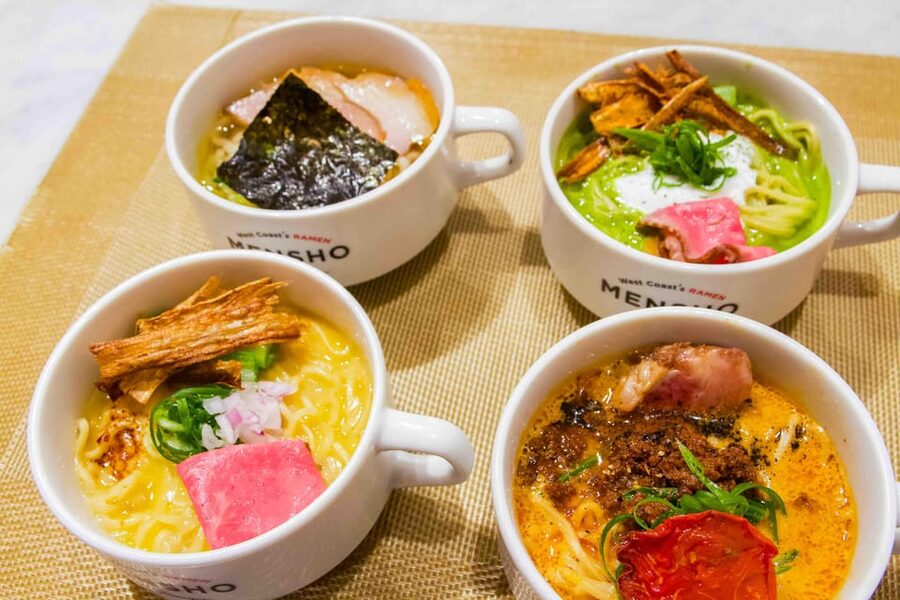
The Shibuya route begins with classic Hokkaido ramen. Hokkaido is associated with hearty ramen, and this first bowl gives you a useful starting point for comparing thicker, more filling regional styles.
The second stop focuses on fusion tonkotsu, built around pork-bone broth. Tonkotsu is often pale and creamy, with a strong savory character. Here, the word fusion matters: the bowl is not presented as a simple traditional example, but as a modern interpretation that shows how ramen keeps changing.
The third stop serves savory curry ramen. This is a welcome surprise if your idea of ramen is limited to soy, miso, or pork broth. Curry brings a different set of aromas and spices, and it can make the last bowl feel especially hearty.
This route also gives you a taste of Shibuya beyond its famous crossing. The walking portion can add a pleasant neighborhood element, and one guide helped keep the route moving even when heavy rain made the final transfer difficult. If weather looks poor, wear shoes that can handle wet pavement and bring a compact umbrella.
The Shibuya option is a good fit if you want a lively part of Tokyo paired with strong flavor contrasts. It is less ideal if you dislike walking in crowded city areas or prefer a quiet, single-neighborhood meal.
The Shinjuku route: classic Tokyo and chicken ramen
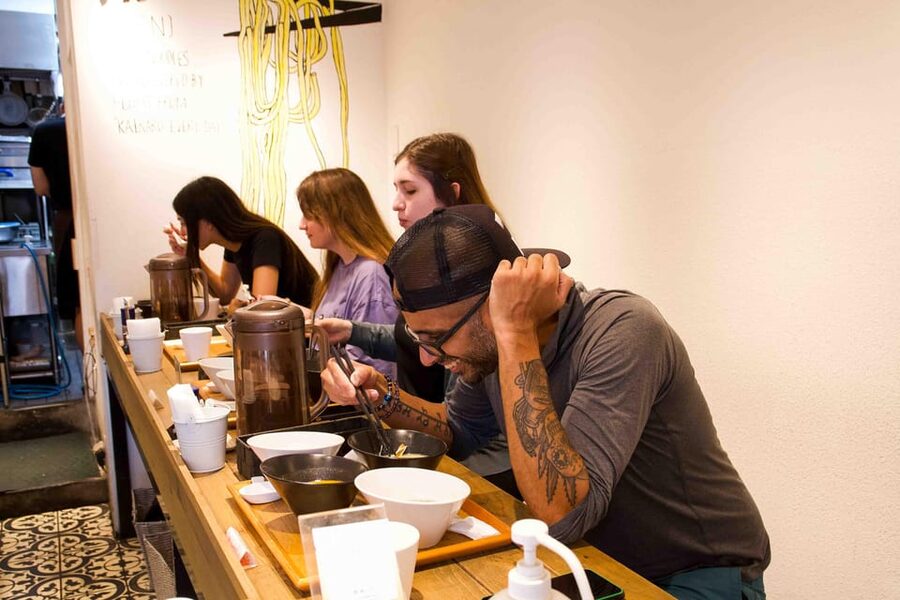
The Shinjuku route begins with classic Tokyo ramen. This style gives you a reference point for the city itself, often making it easier to understand the later bowls. The guide explains the role of broth, seasoning, and noodles rather than simply naming each dish.
The second shop serves modern tori paitan, a thick chicken ramen. Unlike pork-bone tonkotsu, tori paitan gets its body from chicken. It can still feel creamy and substantial, but the flavor has its own character.
The third stop offers luxurious chicken or fish ramen. This is where the range of the tour becomes clear. A fish-based bowl can taste lighter, brinier, or more aromatic than the heavier broths, while a polished chicken ramen can feel smooth and refined.
Shinjuku is also a practical place to combine with other Tokyo plans, though the exact end point depends on the day. The supplied information says the tour starts in Shibuya and ends in Ebisu or Shinjuku, depending on the route. Confirm your meeting and finishing points before booking, especially if you have a timed evening reservation.
Same town, a different bottle:
- Kyoto Sake Brewery & Tasting Walking Tour
★ 5.0 · 623 reviews - Kyoto: Insider Sake Experience with 7 Tastings and Snacks
★ 5.0 · 266 reviews - [1 Group Only] Osaka Street Food Tour for Family
★ 5.0 · 208 reviews - Osaka Sake Tasting with Takoyaki Cooking
★ 5.0 · 156 reviews
The Ueno route: Kyushu, tsukemen, and modern Tokyo
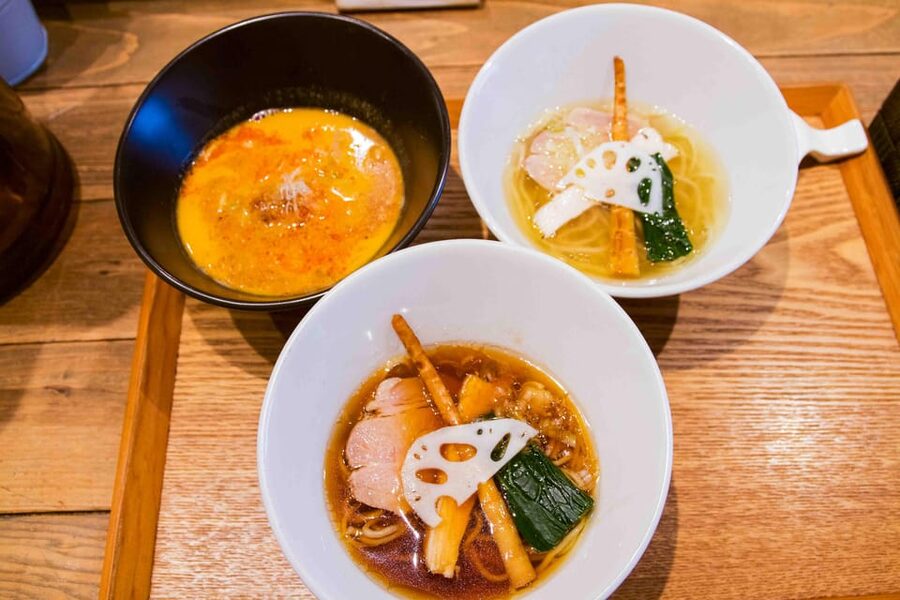
The Ueno route starts with classic Kyushu ramen. Kyushu is strongly associated with tonkotsu, so this bowl can provide a useful comparison with the fusion pork-bone ramen on the Shibuya route.
Next comes contemporary tsukemen, or dipping ramen. Instead of noodles sitting in a bowl of soup, the noodles and dipping broth arrive separately. You pick up the noodles, dip them into the concentrated broth, and adjust the amount on each bite.
Tsukemen is one of the most useful styles to try with a guide because the format is different enough to confuse first-time diners. The guide can explain what you are looking at and how the dipping broth changes the experience.
The final stop serves modern Tokyo ramen. That gives the route a clear progression from a classic regional style to a newer city interpretation. The Ueno route may suit you best if you want a wider look at ramen formats, not just different soup flavors.
The English guides make the difference
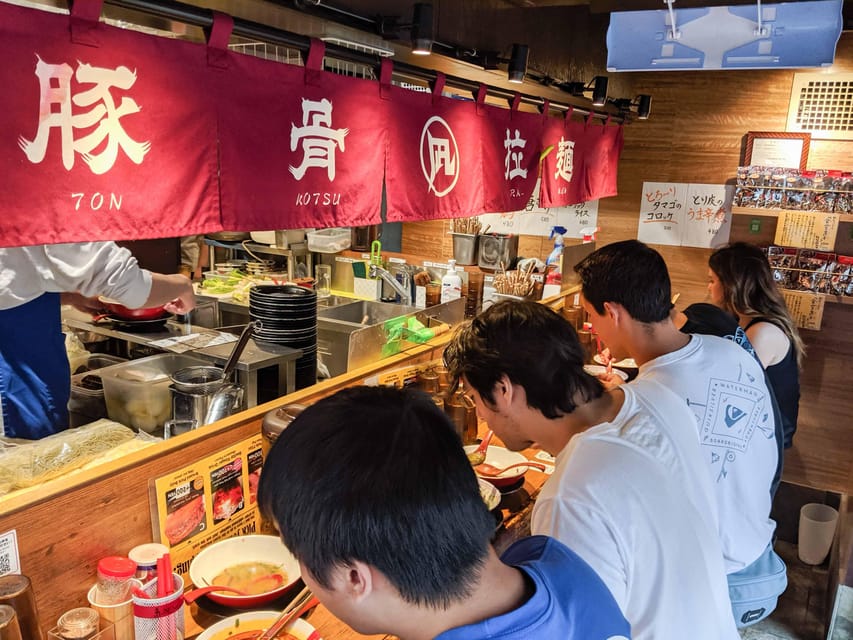
The food is the reason to book, but the guide shapes how much you take away. Guides named Sahori, Bunga, Makayla, Michaela, Daisy, Brian, and Manny have led this experience at different times.
Sahori is especially well suited to visitors who want a friendly, clear explanation of the food. Bunga brings strong enthusiasm for regional ramen styles and has also offered practical Tokyo advice. Makayla has used an iPad presentation to show how ramen developed in Japan, which helps turn an unfamiliar food topic into something easy to follow.
Daisy has worked well with mixed groups, including a family with a nine-year-old, and has also helped with broader Tokyo questions. That kind of local guidance adds value beyond the meal, though you should book this for the ramen content first rather than expecting a full city sightseeing tour.
The strongest guides explain without turning the meal into a lecture. You can ask about noodle thickness, broth ingredients, regional origins, or what to order later in your trip. The group size, capped at eight, makes that conversation possible.
What you learn about ramen
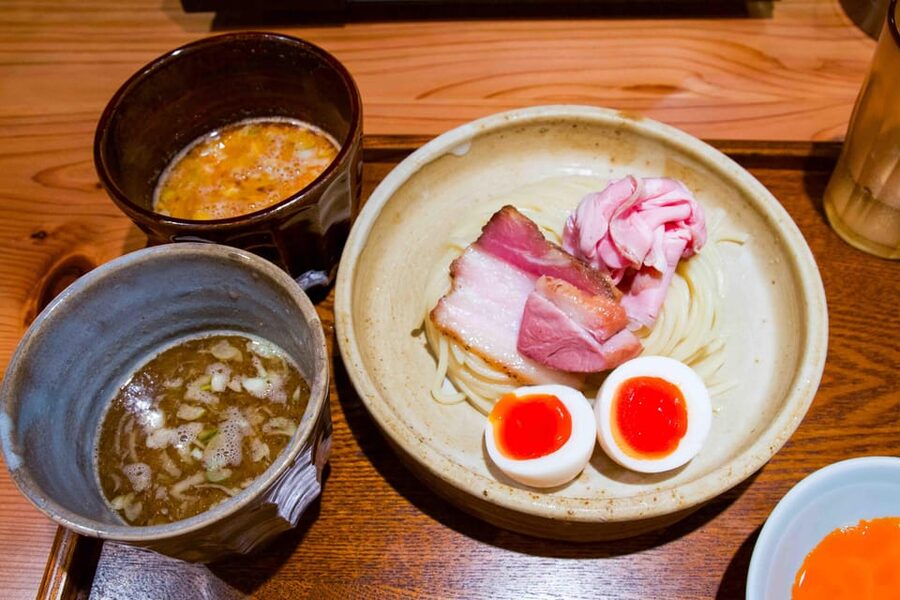
The tour uses colorful slides and handouts to cover ramen origins, types, and preparation. The visual material is useful because ramen vocabulary can blur together when you are hearing it for the first time.
You learn to separate several parts of a bowl:
- Broth: This may be based on pork, chicken, fish, or a combination.
- Seasoning: Salt, soy sauce, miso, curry, and other flavor bases change the character of the soup.
- Noodles: Thickness, shape, and texture affect how much broth clings to each bite.
- Toppings: These add texture, color, and extra flavor.
- Serving style: Tsukemen keeps noodles separate from the dipping broth rather than serving them in soup.
The tour also helps you understand that ramen is both regional and modern. Hokkaido, Kyushu, and Tokyo have recognizable traditions, yet contemporary shops borrow ideas from other regions and cuisines. Past tastings have included unusual options such as squid ink, pesto, curry, and different noodle types, although your exact six choices will depend on the day.
All standard ramen broths on this tour contain chicken, pork, and fish. That matters for anyone avoiding animal products, and it means this is not suitable for vegans or vegetarians. A separate vegan and vegetarian ramen tasting tour is available instead.
How much food you actually get
The tour includes six mini bowls and one beverage. The mini bowls are about one-quarter of a full ramen serving, and they are made specifically for this tasting experience.
Even so, you should plan for a full stomach. Ramen broth, noodles, and toppings are filling, and six portions can be a lot if you start with lunch. I would schedule this as lunch or dinner and keep the preceding meal small.
The route is designed with walking between stops, which helps. You will not be forced to finish a full restaurant bowl before moving on, and you can compare flavors while they are still fresh in your mind.
Families can enjoy the format, particularly if children like noodles and can manage the walking. The guide experience with a nine-year-old was positive, but the tour is not recommended for people with a low level of fitness. Three kilometers is manageable for most active visitors, yet the combination of walking, standing, subway travel, and a large meal may be tiring.
Is $122 a fair price?
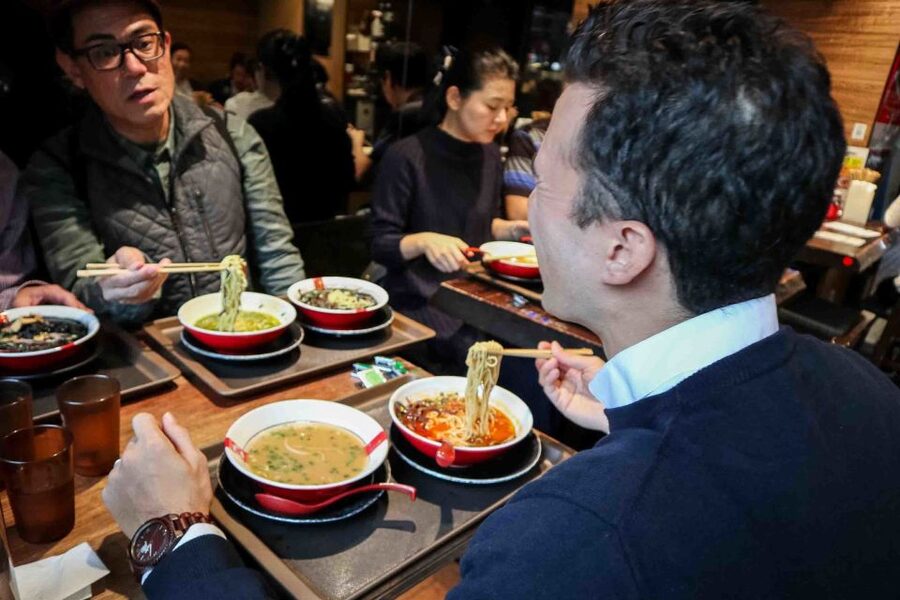
At $122 per person, this is not a budget ramen meal. You could eat one or two ordinary bowls for much less, especially if you order at casual local shops.
The value comes from access and comparison. You get six special mini portions, a beverage, three carefully selected shops, English guidance, an educational presentation, and help navigating the choices. You also avoid spending several meals trying to build the same comparison on your own.
The price makes more sense if you are a serious ramen fan, have limited time in Tokyo, or want a guide to explain what you are eating. It makes less sense if you simply want a cheap bowl of noodles or already know the city’s ramen scene well.
Several people who enjoyed the experience still considered it expensive, but felt the food and instruction justified the cost. That is the right way to view it: you are paying for a guided tasting and a food lesson, not six full meals at ordinary menu prices.
Walking, trains, and practical planning
The tour lasts about three hours and runs in English. Train tickets, if needed, are not included, so carry a transit card or enough fare for the route.
The meeting point can vary by option. The tour starts in Shibuya and ends in Ebisu or Shinjuku, depending on the day and route, so do not assume you will finish where you began.
You may walk through busy streets and travel between neighborhoods. Wear comfortable shoes, leave room in your schedule, and avoid booking a faraway activity immediately afterward. Rain can slow the group, and one guide arranged a taxi for the last leg during particularly bad weather, but you should still plan for an outdoor walking tour.
The small group is a real advantage. With no more than eight participants, the guide can explain the bowls without shouting across a large party, and you have a better chance to ask questions about your own preferences.
Who should book this ramen tour?
I would recommend it to you if ramen is high on your Japan food list and you want to understand the differences between styles. It is also a smart choice early in your Tokyo stay, since the guide can give you ideas for later meals and help you recognize ramen terms on your own.
Families with older children may enjoy the tasting approach. The quarter-size bowls make experimentation easier, and the walking breaks up the meal.
I would think twice if you are vegetarian, vegan, avoiding chicken, pork, or fish, or looking for a relaxed restaurant dinner. I would also skip it if walking 3 kilometers is difficult or if $122 feels too high for a food activity.
Should you book it?
Book this if you want variety, explanation, and access to several carefully chosen ramen shops in one afternoon or evening. The six mini bowls are the clever part, giving you far more range than a single order ever could.
Skip it if you only want one inexpensive bowl or need strict control over ingredients. For most ramen fans, though, this is a useful and filling introduction to Tokyo’s many styles, especially when led by a guide such as Sahori, Bunga, Makayla, or Daisy who can connect the food to the wider city.
The tour offers free cancellation up to 24 hours before departure and reserve-now, pay-later booking, which helps if your Tokyo plans are still shifting.
FAQ
How many bowls of ramen are included?
You receive six mini bowls of ramen. Each is approximately one-quarter the size of a full ramen bowl.
Can I choose which ramen I try?
Yes. You choose six ramen from a selection of approximately 11 or 12 choices.
How many ramen shops do I visit?
You visit three ramen shops and generally sample two mini bowls at each stop.
Which Tokyo neighborhoods are included?
Available routes cover Shibuya, Shinjuku, and Ueno. The exact route depends on the option booked and the day.
Is a drink included?
Yes. One beverage is included in the tour.
Are train tickets included?
No. Any required train ticket is not included in the price.
How long does the tour last?
The tour lasts three hours.
Is the tour conducted in English?
Yes. The tour has a live English-speaking guide.
Are the ramen broths vegetarian or vegan?
No. The standard ramen broths contain chicken, pork, and fish. A separate vegan and vegetarian ramen tasting tour is available.
How much walking is involved?
You walk approximately 3 kilometers, or 1.86 miles, between the ramen shops and through the neighborhoods. The activity is not recommended for people with a low level of fitness.
Just poured in Japan
- Tokyo: Sushi Cooking Class with Sake Tasting★ 4.8 · 55 reviews
- Tokyo: Sushi and Ramen Cooking Class with Sake Pairing Set★ 5.0 · 81 reviews
- Tsukiji: Unlimited Sake Tasting Experience★ 4.9 · 67 reviews
- Osaka Sake Tasting with Takoyaki Cooking★ 5.0 · 156 reviews
- Kyoto: Sake Brewery and Tasting Tour in Fushimi★ 4.8 · 55 reviews
- Kyoto: Local Food Tasting Tour at the Nishiki Market★ 4.7 · 135 reviews
- Kobe: Guided Sake Breweries Tour with Tastings★ 5.0 · 55 reviews
- Kyoto: Insider Sake Experience with 7 Tastings and Snacks★ 5.0 · 266 reviews
Drinks Tours, compared.
Douro Valley w/ Boat Tour, Wine Tasting & Lunch
Read our review →
Chichen Itza, Cenote & Valladolid Tour with Tequila and Lunch
Read our review →
Complete Douro Valley Wine Tour with Lunch, Wine Tastings and River Cruise
Read our review →
Zakopane: Cable Car, Chocholow Baths, Cheese & Vodka
Read our review →

Zakopane: Cable Car, Chocholow Baths, Cheese & Vodka
Read our review →
Small-Group Wine Tasting Experience in the Tuscan Countryside
Read our review →Browse the lists this tour appears in