
REVIEW · SAKE TASTINGS
Tokyo: Sushi and Ramen Cooking Class with Sake Pairing Set
Tokyo’s best cooking classes do more than hand you a recipe. This one connects ramen broth, chashu pork, and nigiri sushi with the food traditions behind them, then gives you time to make and eat the results. The class is limited to eight people, though it may feel almost private when attendance is low.
I like the friendly, hands-on format and the useful take-home material: a recipe booklet, ingredient tips, and chopsticks. I also like the three-sake tasting, led by a certified sake sommelier. The main drawback is that the class is not suitable for vegans or vegetarians, and some preparation is completed in advance so the full meal fits into three hours.
Key points at a glance
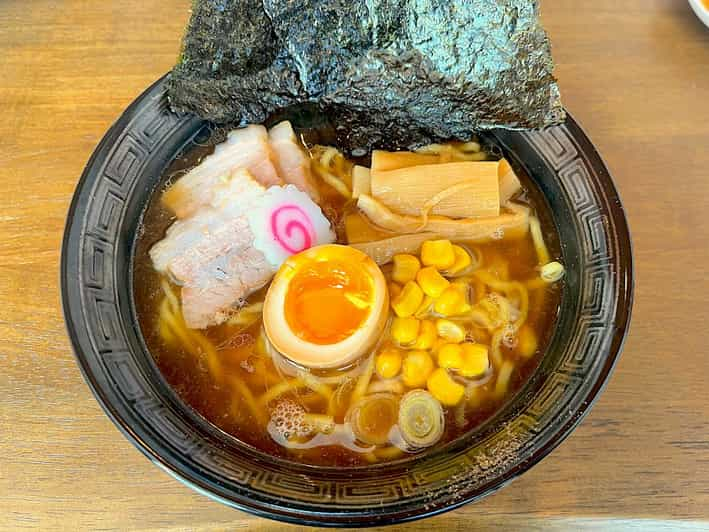
- Make two Tokyo favorites in one class: Prepare ramen, chashu pork, and hand-formed nigiri sushi rather than focusing on just one dish.
- Learn in a very small group: The class allows up to eight participants, with some sessions offering one-on-one attention.
- Taste three selected sakes: A certified sake sommelier explains the pairings as part of the meal.
- Go beyond cooking steps: You’ll hear about the origins of sushi and ramen, Japanese food customs, and ingredient substitutions for cooking at home.
- Take home practical souvenirs: You receive a recipe booklet and a pair of high-quality chopsticks.
- Plan around the dietary limits: This is not a vegan or vegetarian activity, and you should wear clothes that can handle a splash or two.
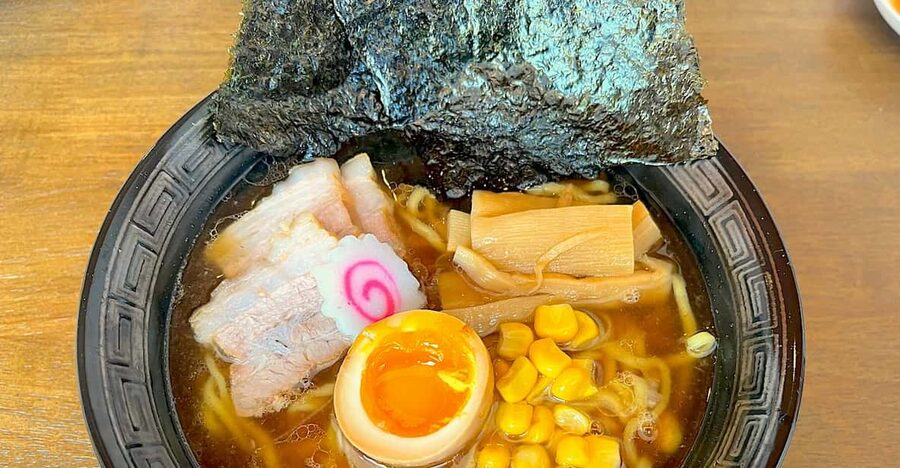
I like this class because it gives you two very different cooking lessons in one sitting. Sushi asks for neat hands, careful shaping, and a feel for rice. Ramen is more about broth, timing, seasoning, and the satisfying transformation of pork belly into tender chashu.
The setting is at HAUS Tsukishima, on the second floor at 2-13-5 Tsukuda in Chuo-ku. Tsukishima Station is about a five-minute walk from Exit 4, making the class fairly easy to reach without a taxi. From Ginza, a taxi takes about nine minutes, and from Tokyo Station, about ten minutes.
You should arrive five minutes before the start. The class lasts three hours, so it works well as an afternoon activity between sightseeing plans. I would avoid placing it immediately before a timed restaurant reservation, since the cooking and meal are meant to be enjoyed at an easy pace.
The ramen portion covers the parts that matter most at home: making a flavorful soup, understanding the ingredients, and preparing chashu pork. Chashu is the tender, seasoned pork belly commonly served on ramen, and learning to make it gives the class more substance than a simple noodle demonstration.
Some of the cooking is completed ahead of time to make the schedule work. That is worth knowing before you book. You are not spending three hours slowly building every element from raw ingredients, but you still get hands-on instruction and practice with the key techniques.
This arrangement is sensible. A true ramen broth can take much longer than a tourist class allows, and waiting for every component from start to finish would leave little time for sushi. The tradeoff is that you will not experience every stage in real time.
Your instructors explain ingredients and offer tips for recreating the dish outside Japan. That may include substitutions for items that are hard to find overseas, which is especially useful if you want to cook the meal after returning home. The recipe booklet gives you a written reference instead of asking you to remember every measurement while also handling food.
The ingredients are fresh, with supplies brought from Toyosu Market. That matters most in a simple meal like this. Good ramen still depends on balance, but the quality of the meat and other ingredients affects the final bowl.
The sushi lesson focuses on nigiri, the familiar style made by placing a topping over a hand-shaped portion of rice. You use the provided ingredients and tools, then practice forming the sushi yourself.
Nigiri looks simple until you try to make pieces that hold together without becoming dense. The class gives beginners a chance to work through that process with an instructor nearby. You should expect guidance rather than a formal chef examination, so the atmosphere suits people who have never shaped sushi before.
The cultural explanation adds useful context. You learn about the origins of sushi and how the food developed, rather than treating it as a generic Japanese dish. That background helps you understand why rice preparation, portion size, and presentation matter.
I especially like the way sushi and ramen balance each other. Ramen is warm, savory, and filling. Nigiri is more delicate and precise. Combining both makes the class feel like a wider look at Japanese cooking instead of a single recipe lesson.
The meal is also substantial. Several people have found the portions plentiful enough that finishing everything can be difficult. That is good news if you arrive hungry, but do not eat a huge meal immediately beforehand.
The sake pairing is not just an extra drink placed on the table. You taste three premium Japanese sakes selected by a certified sake sommelier, with explanations about the choices and how they work with the food.
This is useful even if you already enjoy sake. You get to compare different bottles in one sitting instead of ordering one at random in a restaurant. If you are new to sake, the tasting offers a gentle introduction without requiring specialist knowledge.
One instructor comes from a sake brewing family, giving the class an especially personal connection to the subject. The exact teaching team can vary, but names associated with the sessions include Sato, Haruko, Risa, Alex, Misa, Luna, and Alisa.
The alcohol is an important practical point. You should be comfortable with a tasting format before booking, and you should plan your route home sensibly. The class information specifically includes the sake pairing, while some past sessions have also offered beer. I would not book this activity on the assumption that every drink option will always be available.
The maximum group size is eight, and that changes the feel of the class. You have a better chance of getting help with sushi shaping, asking questions about ingredients, and seeing what the instructor is doing without standing at the back of a crowded room.
At times, the class may have only two people or even one participant. That can turn a scheduled group activity into something close to a private lesson. You should not count on that when booking, but the small limit keeps the experience personal even when it is full.
The teaching style is friendly and relaxed. The instructors use English and help beginners through each stage. The class can include cultural discussion, personal stories, and even a small quiz to get people working together.
This matters for families and couples. Cooking side by side gives you something to do together, and the meal at the end provides a natural reward. It also suits solo visitors because the small group makes conversation easier than a large demonstration class.
The cozy venue has been described as immaculate and welcoming. It is not presented as a large professional cooking school, and that is part of the appeal. You get a more intimate room, though anyone seeking a spacious commercial kitchen may find the setting modest.
A good cooking class should explain why you are doing something, not just tell you which bowl to use. Here, the instructors cover sushi and ramen history, Japanese culinary traditions, and the role of ingredients in each dish.
That cultural layer gives the class lasting value. After the trip, you may remember the difference between sushi and ramen preparation more clearly because you learned the story and purpose behind the food.
The instruction also includes practical ingredient advice. Japanese ingredients can be difficult to locate in other countries, so substitution guidance is one of the most useful parts for anyone planning to cook at home.
You will not leave as a ramen chef or sushi professional after one afternoon. You will, however, have a workable starting point and a better sense of where technique matters. The recipe booklet supports that next step, while the chopsticks serve as a simple physical reminder of the class.
At $129 per person, this is not a cheap meal. It is also more than a basic sushi rolling workshop, so you should judge the price against what is included.
You receive three hours of instruction, all necessary ingredients, a complete meal, nigiri sushi practice, ramen and chashu instruction, three sake tastings, an English-speaking instructor, a recipe booklet, and souvenir chopsticks. A small group also means you are paying for personal guidance rather than only watching a demonstration.
For me, the price makes the most sense if you value participation and cultural explanation. If you simply want to eat good ramen and sushi, Tokyo offers cheaper options. If you want to learn enough to try the dishes again at home, the class offers better value.
The recipe booklet improves the calculation. Many cooking activities end when you leave the room, but this one gives you a way to repeat the experience. Ingredient substitutions are particularly helpful for cooks outside Japan.
The sake tasting adds another reason for the price. You are not only eating the food you make, but also comparing three selected sakes with guidance. If you do not drink alcohol, that part will have less value to you, though the cooking remains the central activity.
The meeting point is 2nd Floor, HAUS Tsukishima, 2-13-5 Tsukuda, Chuo-ku, Tokyo 104-0051. From Tsukishima Station, use Exit 4 and allow about five minutes on foot.
The location is also practical by taxi. It is about six minutes from Tsukiji Fish Market, nine minutes from Ginza, ten minutes from Tokyo Station, and eleven minutes from teamLab Planets. From Shinjuku, the taxi ride is about thirty minutes.
If you use a taxi, show the driver this Japanese address:
東京都中央区佃2-13-5 HAUS Tsukishima 2階
There is no hotel pickup or drop-off. I would build in a little extra time for finding the building, especially if you are unfamiliar with Tokyo addresses. Arriving five minutes early is part of the instructions, and it is better to be settled before the cooking begins.
Wear comfortable clothing that you do not mind getting slightly dirty. Cooking involves handling ingredients and working near food preparation areas, so this is not the moment for your best travel outfit.
I would recommend it to first-time Tokyo visitors who want an activity beyond temples, shopping, and observation decks. It gives you a direct way to take part in Japanese food culture, and it works especially well when you want a memorable shared activity.
Families can enjoy the gentle instruction and the meal at the end. Couples get a hands-on date activity, and solo participants can benefit from the small group and welcoming instructors.
Beginners are welcome. The class is also suitable for people who already cook, since the focus is on authentic ramen, chashu, nigiri technique, sake, and ingredient advice rather than a simple food demonstration.
You should skip it if you are vegan or vegetarian. The activity is not designed around those diets. You may also want another option if you dislike alcohol, have very little interest in cooking, or need a fully private class guaranteed in advance.
Free cancellation is available up to 24 hours before the start for a full refund, and you can reserve now and pay later. Those policies help if your Tokyo schedule is still changing, but the key decision is whether you want three hours centered on food preparation.
Book it if you want to make two Japanese staples, eat a generous meal, and take home recipes you can actually use. The small group, English instruction, sake tasting, and warm teaching style give it more depth than a quick tourist cooking demonstration.
I would be less enthusiastic for vegetarians, strict non-drinkers, or anyone hoping to see every ramen component prepared entirely from scratch. Some work happens before the class to fit the schedule.
For most food-loving visitors, the strongest value is the combination: ramen technique, nigiri practice, cultural background, sake guidance, and a relaxed meal in one three-hour session. Add the recipe booklet and chopsticks, and this becomes a practical souvenir as well as a pleasant afternoon in Tokyo.
FAQ
More Sake Tastings in Japan:
- 3-Hour Kyoto Insider Sake Brewery Tour with Tastings & Pairings
★ 5.0 · 917 reviews - Kyoto: Insider Sake Brewery Tour with Sake and Food Pairing
★ 5.0 · 704 reviews - Kyoto Sake Brewery & Tasting Walking Tour
★ 5.0 · 623 reviews
How long does the cooking class last?
The class lasts three hours. Check the available start times when booking, and arrive five minutes before the scheduled beginning.
Where does the class take place?
It takes place on the second floor of HAUS Tsukishima, at 2-13-5 Tsukuda, Chuo-ku, Tokyo 104-0051. It is about a five-minute walk from Exit 4 of Tsukishima Station.
What will I learn to cook?
You will learn to make ramen, ramen soup, chashu pork, and nigiri sushi. The class also covers Japanese food traditions, ingredient tips, and substitutions for cooking outside Japan.
More Cooking Classes in Japan:
- Osaka Sake Tasting with Takoyaki Cooking
★ 5.0 · 156 reviews - Tokyo: Sushi Cooking Class with Sake Tasting
★ 4.8 · 55 reviews - Rome: Pasta Making Class with Wine, Limoncello, and Dessert
★ 4.9 · 3,177 reviews - Rome Cooking Class: Make Pasta and 3 Spritz Cocktails
★ 5.0 · 2,937 reviews
Is the class taught in English?
Yes. The instructors are English-speaking, and English is the listed language for the activity.
Is sake included?
Yes. The class includes a tasting of three premium Japanese sakes selected by a certified sake sommelier.
Is this class suitable for vegetarians or vegans?
No. The activity is listed as unsuitable for both vegetarians and vegans.
What do I take home?
You receive a recipe booklet with instructions for ramen, gyoza, and sushi, along with a pair of high-quality souvenir chopsticks.
More Workshops and Classes in Japan
- Barcelona Paella Cooking Class with Market Visit, Tapas & Sangria
★ 5.0 · 2,531 reviews - Fettuccine & Tiramisù: Cooking Class with Wine & Limoncello
★ 4.9 · 2,103 reviews - Pasta Cooking Class Near the Colosseum with 3 Spritz Cocktails
★ 5.0 · 1,686 reviews - Sorrento: Pizza Lesson, Wine, and Limoncello at a Local Farm
★ 5.0 · 1,513 reviews
Just poured in Japan
- Tokyo: Sushi Cooking Class with Sake Tasting★ 4.8 · 55 reviews
- Tokyo: Ramen Tasting Tour with 6 Mini Bowls of Ramen★ 4.9 · 432 reviews
- Tsukiji: Unlimited Sake Tasting Experience★ 4.9 · 67 reviews
- Osaka Sake Tasting with Takoyaki Cooking★ 5.0 · 156 reviews
- Kyoto: Sake Brewery and Tasting Tour in Fushimi★ 4.8 · 55 reviews
- Kyoto: Local Food Tasting Tour at the Nishiki Market★ 4.7 · 135 reviews
- Kobe: Guided Sake Breweries Tour with Tastings★ 5.0 · 55 reviews
- Kyoto: Insider Sake Experience with 7 Tastings and Snacks★ 5.0 · 266 reviews
Sake Tastings, compared.
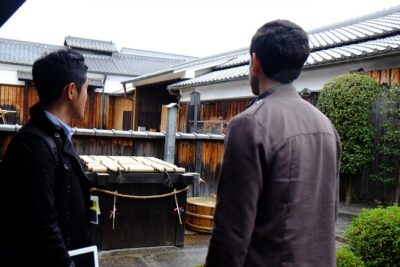
3-Hour Kyoto Insider Sake Brewery Tour with Tastings & Pairings
Read our review →
Insider Sake Brewery Tour with Sake and Food Pairing
Read our review →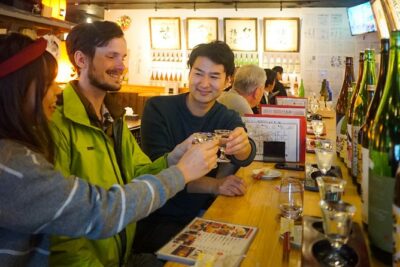
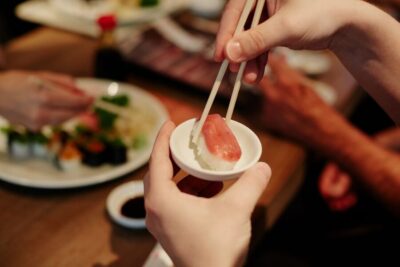
Düsseldorf: Sushi, Sake & Japanese Lifestyle Tour
Read our review →
Insider Sake Experience with 7 Tastings and Snacks
Read our review →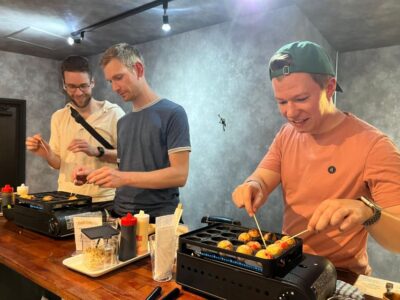
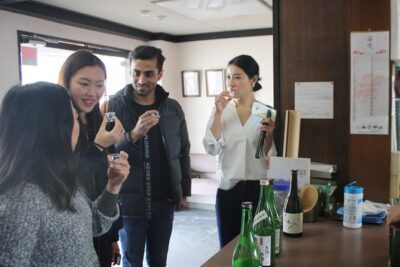
KOBE Sake Tasting Tour at Breweries (tasting fee included)
Read our review →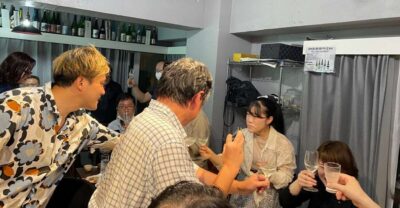
Browse the lists this tour appears in