
REVIEW · DRINKS TOURS
Kyoto: Local Food Tasting Tour at the Nishiki Market
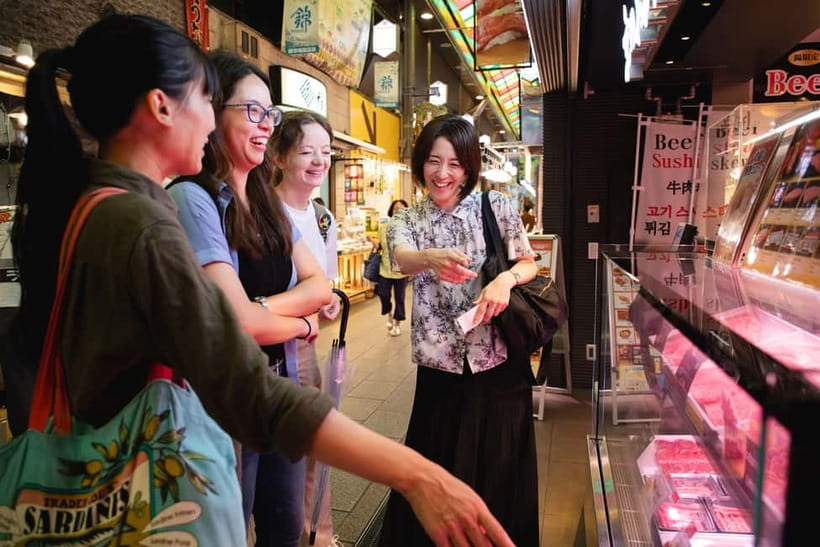
Kyoto’s Nishiki Market is easy to enter and surprisingly hard to understand. A local guide helps you get past the obvious snacks and introduces you to foods such as yuba, obanzai, hamo tempura, and Wagyu steak skewers. I like the small group, limited to six people, and the way the tour mixes eating with shrines, shopping arcades, and local customs. The main catch is that this is a tasting walk, not a full meal, and the tour cannot handle vegetarian, halal, kosher, gluten-free, or allergy-related diets.
I also like the practical side. You do not need to guess which stall is worth your time, and guides such as Ayu, Toshi, Takuma, Annie, and Miho have helped visitors understand both the food and the maze around it. Expect to walk, stand, and eat several small portions in crowded areas, so comfortable shoes and a light day bag matter.
Key points to know before booking
- Five Kyoto food tastings: Try yuba, local obanzai cooking, hamo tempura, Wagyu steak skewers, and other small bites and seasonings.
- A 400-year-old market: Nishiki Market has about 130 food stalls, giving you a close look at Kyoto’s long food traditions.
- More than a food stop: The route includes Nishiki-Tenmangu Shrine, Shinkyogoku Shopping Arcade, and Teramachi Street.
- Small English-speaking group: The group is limited to six participants, which makes questions and personal guidance easier.
- Optional tea ceremony: Add a 90-minute experience with kimono dressing and instruction from a tea master.
- Good first-day activity: The tour helps you understand Kyoto food and gives you ideas for exploring the market on your own later.
Why Nishiki Market works best with a guide
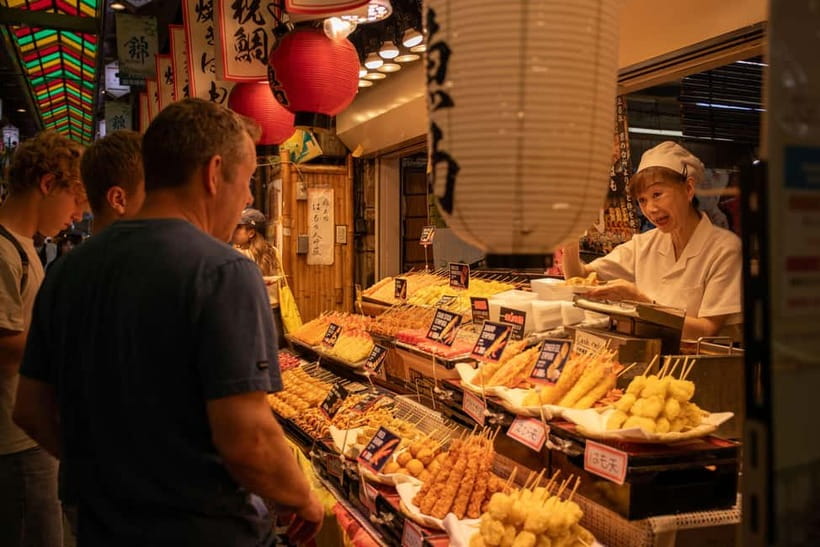
Nishiki Market is called Kyoto’s Kitchen for good reason. It runs through a long covered shopping area filled with food stalls, specialty shops, seasonings, sweets, pickles, seafood, and prepared dishes. The market’s age matters too. It has served Kyoto for roughly 400 years, and its food reflects the city’s careful cooking traditions rather than only the quick street snacks that catch your eye first.
You can walk through Nishiki alone, but a guide changes the experience. The signs and displays do not always explain what you are seeing, and some foods are unfamiliar even if you have eaten Japanese cuisine before. Your guide can point out what is seasonal, explain how an ingredient is used at home, and help you taste a small amount without committing to a full purchase.
This tour also removes a common problem at Japanese markets: ordering something you cannot identify, then discovering it is much larger, stronger, or stranger than expected. The planned tastings give you a broad sample without asking you to make every choice yourself.
The group size is one of the tour’s strongest features. With no more than six participants, you can ask why a dish matters, how it is eaten, or where to find something again. Several guides have also helped with wider Kyoto questions, from afternoon plans to other places worth visiting. That extra advice can be especially useful if you schedule this tour early in your stay.
More Food Tours in Japan:
- Best of Shinjuku: Izakaya Food Tour (4 Stops, 14+ Tastings)
★ 5.0 · 1,863 reviews - Kyoto: Insider Sake Brewery Tour with Sake and Food Pairing
★ 5.0 · 704 reviews - [1 Group Only] Osaka Street Food Tour for Family
★ 5.0 · 208 reviews
The food tastings: five bites with a Kyoto focus
The food is the heart of the experience, and the selection gives you a useful introduction to local cooking.
Yuba is tofu skin, formed from the thin layer that develops while soy milk is heated. It has a delicate texture and is closely associated with Kyoto’s refined vegetarian cooking traditions, although this tour is not suitable for vegetarians because other tastings include meat and seafood. If tofu skin sounds unfamiliar, this is exactly the sort of food a guide can make easier to appreciate.
Obanzai refers to home-style Kyoto cooking. These dishes are usually simple, seasonal, and built around everyday ingredients rather than restaurant showmanship. A small taste gives you a sense of what local food can be away from famous restaurant menus.
Hamo tempura is another notable stop. Hamo is a conger eel known for its fine bones, which require careful preparation. Served as tempura, it offers a crisp texture and a distinctly Kyoto food story. Several past experiences have singled out hamo as a memorable discovery, particularly for people who would not have ordered it without guidance.
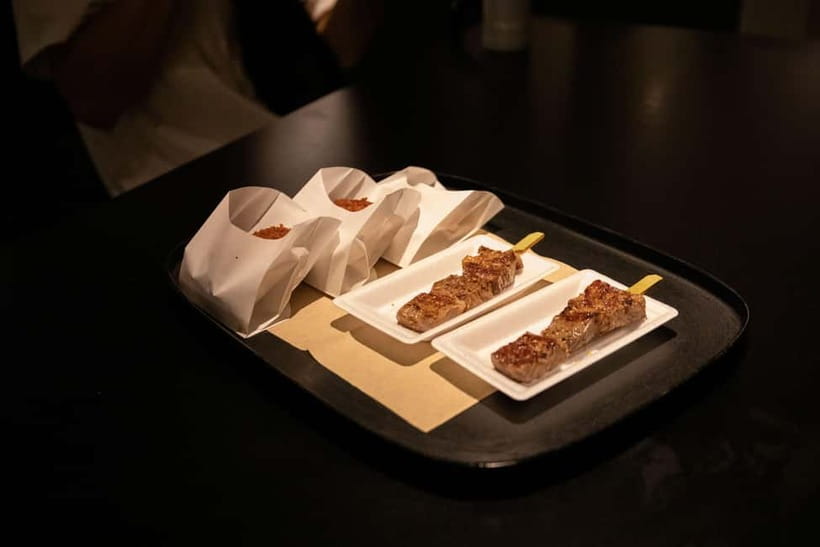
The Wagyu steak skewer provides a richer, more familiar contrast to the lighter tofu and home-style dishes. It is a small tasting rather than a steakhouse meal, but it adds variety and gives you a chance to try a premium Japanese ingredient in a casual market setting.
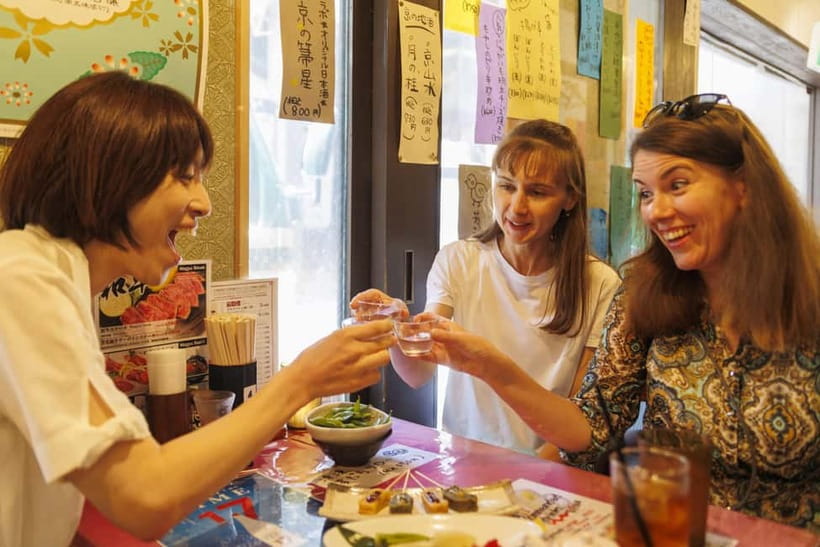
Other samples may include Kyoto seasonings, crackers, Japanese-flavored honey, and additional bites selected by the guide. The exact stops can change, so think of the list as a food map rather than a fixed restaurant menu. That flexibility is useful in a market where seasonal availability and shop operations can affect what is offered.
Do not arrive expecting a long seated lunch. The value is in trying several different things, learning what you like, and returning later with more confidence. One useful strategy is to eat a light breakfast and leave room for the tastings, since the food adds up over several stops.
A closer look at the walking route
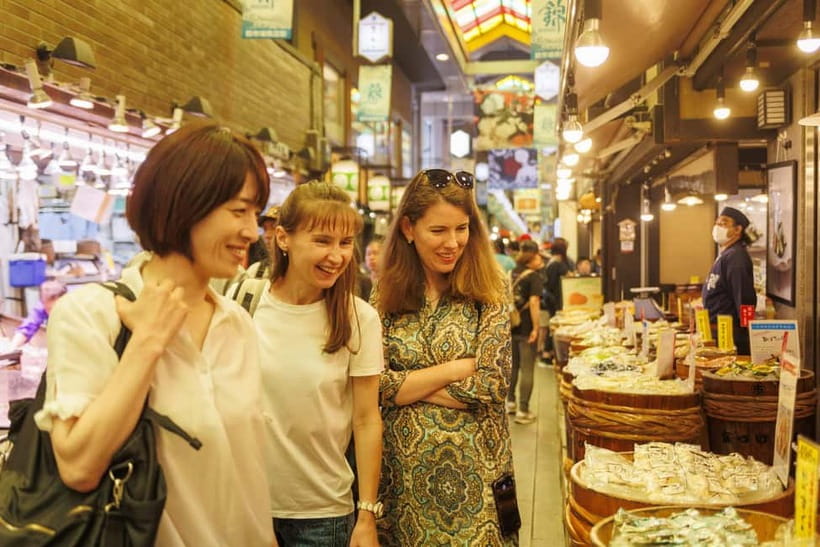
Nishiki Market, about 90 minutes
The main market portion lasts about an hour and a half. Your guide leads you through the food stalls, pauses at selected shops, and explains the ingredients and customs connected with what you taste.
The route is not simply a march from one snack to the next. You will hear about the market itself, Kyoto food traditions, and the role of ordinary ingredients in local life. The guide also helps you manage the crowd and keeps the group moving without making the visit feel rushed.
The drawback is the setting. Nishiki can be tight and busy, and you may need to stand while eating. Large bags and luggage are not allowed, and a backpack that is too bulky would make the walk less comfortable. Wear shoes that are good for several hours on your feet.
More Market Visits in Japan:
- Barcelona Paella Cooking Class with Market Visit, Tapas & Sangria
★ 5.0 · 2,531 reviews - Pike Place Market Tasting Tour
★ 5.0 · 1,696 reviews - Early-Bird Tasting Tour of Pike Place Market
★ 5.0 · 1,154 reviews - Paella Cooking Class, Wine Tasting & Central Market in Valencia
★ 5.0 · 1,150 reviews
Nishiki-Tenmangu Shrine, about 10 minutes
After the food market, the route includes Nishiki-Tenmangu Shrine. The short guided visit gives the food walk a cultural pause and shows how a market district connects with religious places in central Kyoto.
Ten minutes is not enough for a long shrine visit, so keep your expectations in check. This is an introduction, not a full temple-and-shrine tour. Its value is the context: you are not only eating in a shopping lane, but also seeing one of the small historic sites woven into the neighborhood.
Shinkyogoku Shopping Arcade, about 45 minutes
The walk continues into Shinkyogoku, a long shopping arcade with a different feel from Nishiki’s food stalls. Here the emphasis shifts toward browsing, local shopping, and seeing how Kyoto residents use the area beyond the market.
This section can be useful if you want to return later for souvenirs or additional snacks. It also breaks up the tasting schedule. You are still walking and looking, but you are not expected to eat continuously.
The shopping time may tempt you to buy more than planned. Bring a little spending money if you want to browse, but remember that the included tastings are the main part of the price. The tour is not designed as a dedicated shopping excursion.
Teramachi Street, about 30 minutes
Teramachi Street adds another historic shopping district to the route. Together with Shinkyogoku, it gives you a better sense of the wider area around Nishiki Market and helps you connect the market to Kyoto’s central streets.
This is also where a guide’s local perspective can be useful. Instead of seeing only a string of shops, you can ask how the different streets fit together and what might be worth revisiting independently. The tour has three possible drop-off points, including the area near Shijo Higashinotoin, Nishiki Orizuruya, and Kyoto Takashimaya S.C., depending on the option booked.
A short stop described as a local find
The itinerary also includes a brief 10-minute stop at a lesser-known place. Specific details are not fixed in the description, so do not book expecting a named landmark. Treat it as a small discovery chosen to add local character to the route.
The guides make the difference
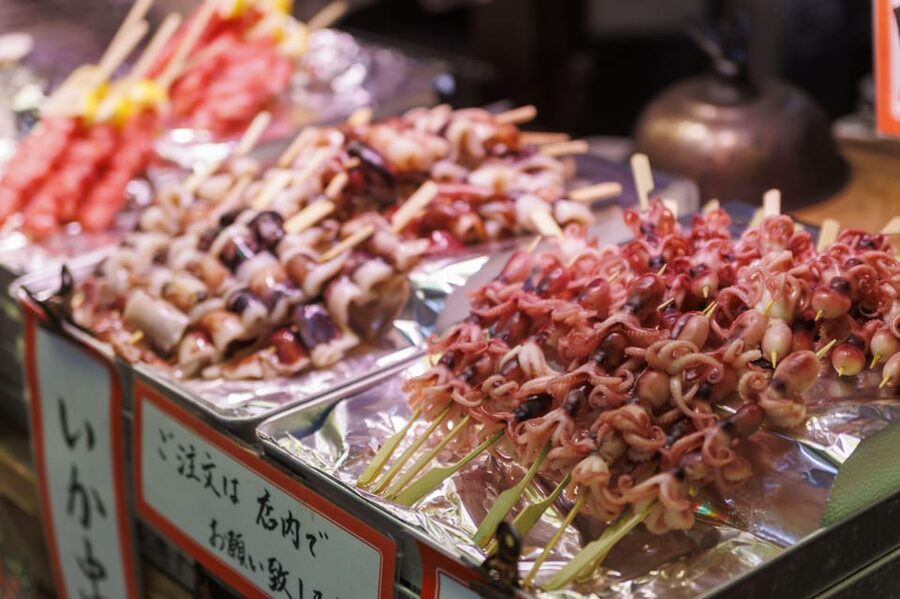
A food walk succeeds or fails on explanation, timing, and personality. The strongest part of this experience is the chance to ask questions as you go rather than read a sign and move on.
Guides named in past bookings include Ayu, Toshi, Takuma, Annie, Miho, Saki, Yume, Satomi, and many others. Their approach varies, but the useful pattern is clear: the guide explains what you are eating, answers questions about Japanese customs, and helps you navigate the market without guesswork.
Takuma has been especially good at encouraging people to try foods they might otherwise skip, while Toshi has been praised for balancing food, history, and culture. Ayu has guided both couples and families, and Saki has adjusted food choices around participants’ preferences when possible. These examples do not guarantee a particular guide, but they show why the small group matters.
A guide may also suggest what to do afterward. Several participants have received ideas for other Kyoto sights, shopping areas, and afternoon plans. That is a practical bonus, especially if you book the experience near the beginning of your visit.
Optional tea ceremony near Nishiki Market
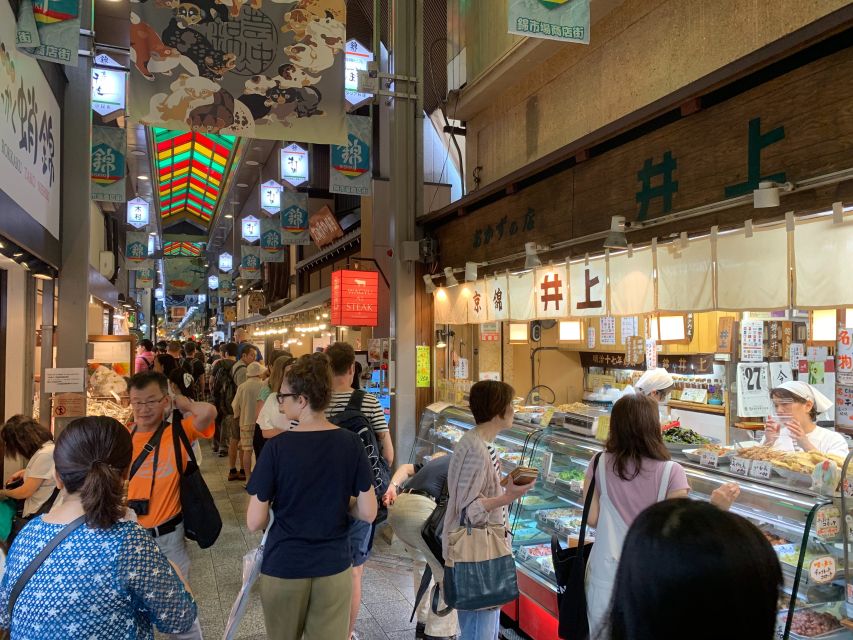
You can add a traditional tea ceremony after the market tour. The ceremony begins at 2:00 PM, and you must make your own way to the nearby venue after the food walk.
The 90-minute session begins with professional kimono dressing. You then take part in a tea ceremony led by a tea master, with explanations of the meaning behind the movements and gestures. Time is also set aside for commemorative photographs in a traditional setting.
This option changes the shape of the day. The food tour is active, informal, and built around tasting and walking. The tea ceremony is slower and more structured. If you want a stronger cultural program and do not mind arranging the short transfer yourself, it makes a natural follow-up.
Pay attention to the timing when booking. The market experience may last around three hours, with some schedules described as up to 270 minutes, so you should not plan a tight appointment immediately afterward. The tea ceremony is only included if you select that option.
What the $78 price is really buying
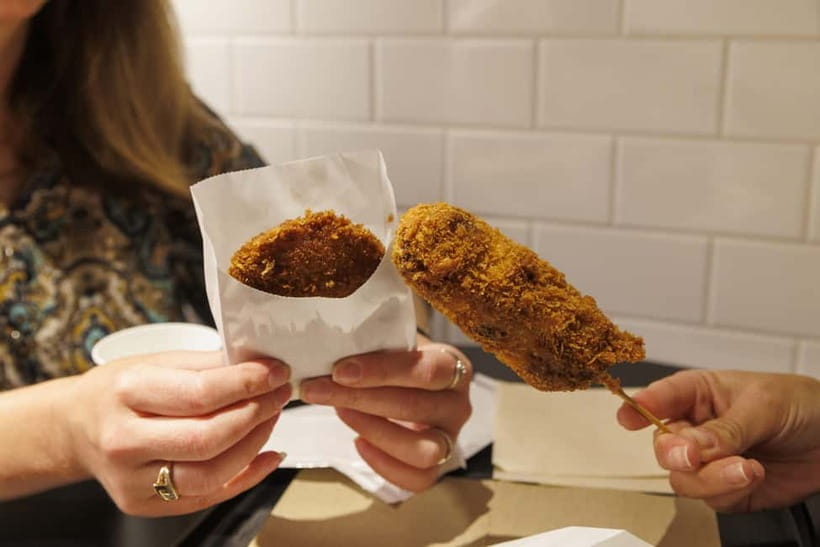
At $78 per person, the tour costs more than walking through Nishiki Market and buying one or two snacks on your own. You are paying for five selected food tastings, an English-speaking guide, a small group, and help understanding what you are seeing.
The value is strongest for first-time visitors. If you are unfamiliar with Japanese food, the guide can save you from spending your market time on random purchases. You also get several small portions instead of one meal, plus short visits to nearby shrines and shopping streets.
The value is less clear for experienced Kyoto visitors who already know Nishiki Market and are comfortable ordering independently. One participant felt the route could be done without a guide, and that is a fair point. The market is open to independent walkers, and the included food list is not a substitute for unlimited eating or shopping.
Still, the small group and cultural explanation make the price reasonable for someone who wants orientation rather than just calories. If you would otherwise spend hours choosing foods, checking translations, and missing the market’s background, the guide earns part of the fee through convenience and confidence.
Free cancellation is available up to 24 hours before the start time, and you can reserve while paying later. Those policies are useful if your Kyoto schedule is still shifting.
Who should book this food walk?
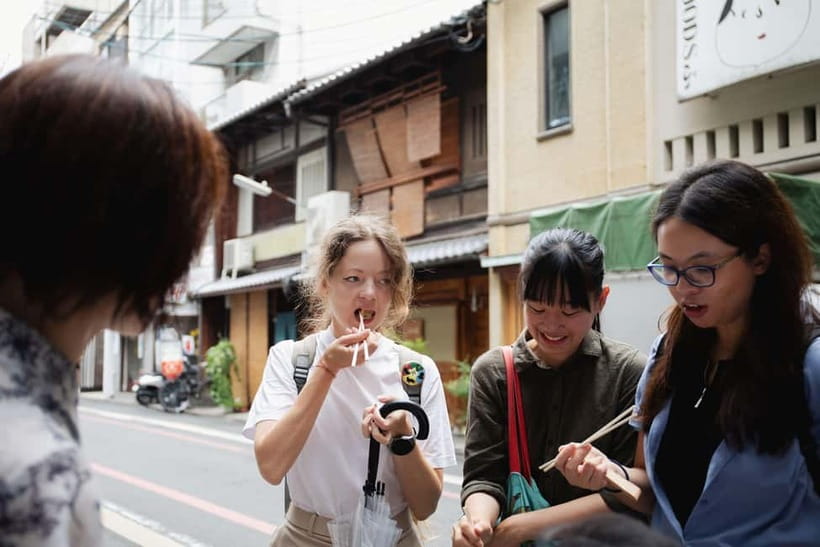
I would choose this tour for a first visit to Kyoto, especially if you want food to be your way into local culture. It also suits solo visitors, couples, and families with older children. One 11-year-old reportedly enjoyed the tasting format, and the small group makes it easier to keep children engaged than a long formal meal.
It is also a good pick if you are nervous about unfamiliar foods. The guide can explain each dish and encourage you to try something new without making the experience feel like a test.
You should skip it if you need a strictly controlled diet. The operator cannot accommodate vegetarian, halal, kosher, gluten-free, or allergy-related requests. The tour is also not suitable for wheelchair users or people with mobility impairments, and the market setting requires walking and standing.
Bring comfortable shoes and rain gear. Leave luggage and large bags at your accommodation. The route passes through crowded shopping areas, so travel light.
FAQ
How long does the Nishiki Market food tour last?
The advertised duration is about three hours, with some information describing the experience as up to 270 minutes. The walking route includes food tastings, shrines, and shopping streets.
What food is included?
The included tastings feature five special foods, including yuba, obanzai, hamo tempura, and Wagyu steak skewers. Other samples may include Kyoto seasonings, crackers, Japanese-flavored honey, and additional local bites.
Is the tour conducted in English?
Yes. The tour has a live English-speaking guide.
How many people are in the group?
The group is limited to six participants, not including the guide.
Is this a full lunch?
No. It is a walking tasting tour with several small food portions, not a seated full-course meal.
Can dietary restrictions be accommodated?
No. The tour cannot accommodate vegetarian, halal, kosher, gluten-free, or allergy-related requests.
Is the tea ceremony included?
The tea ceremony is included only when you select the tea ceremony option while booking.
What happens during the tea ceremony option?
The 90-minute session includes professional kimono dressing, instruction from a tea master, an explanation of the ceremony’s movements, and time for commemorative photos.
Can I bring luggage or a large bag?
No. Luggage and large bags are not allowed. Comfortable shoes and rain gear are recommended.
Should you book it?
Book this experience if you want an easy, guided introduction to Kyoto food and prefer tasting several specialties over sitting down for one meal. The combination of Nishiki Market, shrine visits, Shinkyogoku, and Teramachi gives you a useful first look at central Kyoto.
Skip it if you have strict dietary needs, dislike crowded walking routes, or already know the market well. For most first-time visitors, though, the small group, five tastings, and patient local guidance make this a practical way to get your bearings and learn what to order when you return on your own.
More Shopping Stops in Japan
- Cancun Taco Tour, Local Beer and Night Market with Transportation
★ 5.0 · 816 reviews - Palermo: Street Food and Local Market Tasting Tour
★ 4.9 · 540 reviews - Cusco: Peruvian Cooking Class, Cocktails & Local Market Tour
★ 4.9 · 512 reviews - Budapest Food Tour: Market to Tavern with 14+ Tasters & Wines
★ 5.0 · 434 reviews
Just poured in Japan
- Tokyo: Sushi Cooking Class with Sake Tasting★ 4.8 · 55 reviews
- Tokyo: Ramen Tasting Tour with 6 Mini Bowls of Ramen★ 4.9 · 432 reviews
- Tokyo: Sushi and Ramen Cooking Class with Sake Pairing Set★ 5.0 · 81 reviews
- Tsukiji: Unlimited Sake Tasting Experience★ 4.9 · 67 reviews
- Osaka Sake Tasting with Takoyaki Cooking★ 5.0 · 156 reviews
- Kyoto: Sake Brewery and Tasting Tour in Fushimi★ 4.8 · 55 reviews
- Kobe: Guided Sake Breweries Tour with Tastings★ 5.0 · 55 reviews
- Kyoto: Insider Sake Experience with 7 Tastings and Snacks★ 5.0 · 266 reviews
Drinks Tours, compared.
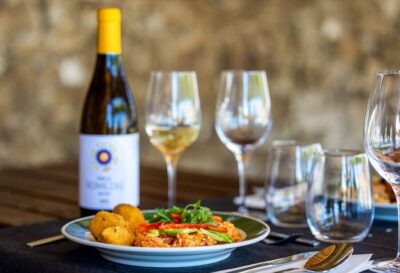
Douro Valley w/ Boat Tour, Wine Tasting & Lunch
Read our review →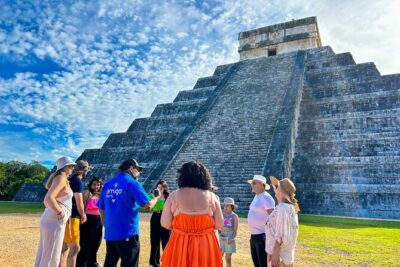
Chichen Itza, Cenote & Valladolid Tour with Tequila and Lunch
Read our review →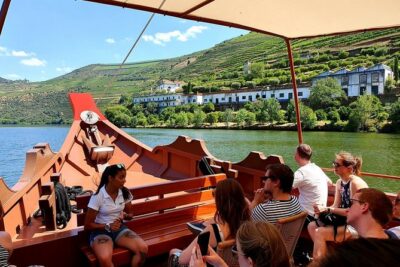
Complete Douro Valley Wine Tour with Lunch, Wine Tastings and River Cruise
Read our review →
Zakopane: Cable Car, Chocholow Baths, Cheese & Vodka
Read our review →

Zakopane: Cable Car, Chocholow Baths, Cheese & Vodka
Read our review →
Small-Group Wine Tasting Experience in the Tuscan Countryside
Read our review →Browse the lists this tour appears in