
REVIEW · SAKE TASTINGS
Kyoto: Insider Sake Experience with 7 Tastings and Snacks
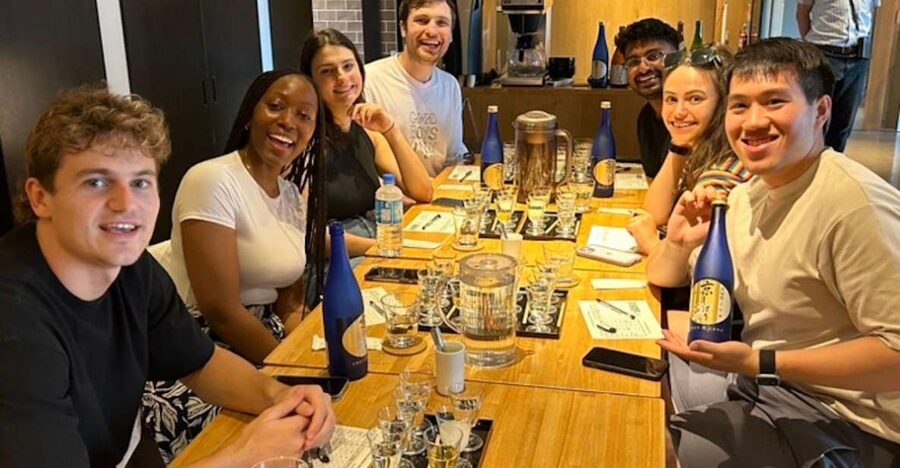
Kyoto’s sake culture becomes much easier to enjoy once you know what is in your glass. This 90-minute session takes you from brewing basics to seven guided tastings, comparing dry, crisp, sweet, and fruity styles instead of leaving you to guess from a Japanese menu.
I like the practical bottle-reading lesson and the way the tasting card helps you identify your own preferences. I also like the food pairing: otsumami can change a sake’s flavor quite sharply, which makes the lesson useful at dinner later. The main consideration is that this is a tasting, not a meal, and sake can feel strong if you arrive hungry.
Key points to know before booking
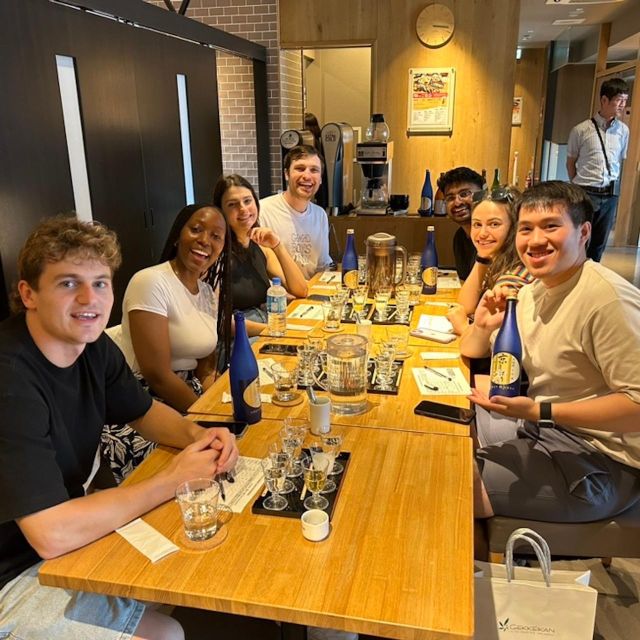
- Seven generous tastings: Sample a broad set of sake styles, with the selection drawn from more than 10 types chosen by a certified sake sommelier.
- Bottle-reading practice: Learn how to make sense of labels, polishing figures, sweetness, and other details you will see in shops and restaurants.
- Food changes the flavor: Taste sake alone, then with Japanese otsumami, to see why pairing matters.
- Friendly English instruction: Guides such as Mayo, Kotaro, Kiyomi, Greg, and Shogo explain the subject clearly and keep the mood relaxed.
- Useful for first-timers: You do not need to already like sake. The point is to find a style that suits your taste.
- Important alcohol rules: You must be at least 20 to receive sake, and no alcohol is served to anyone arriving by car or bicycle.
Why this Kyoto sake tasting is useful
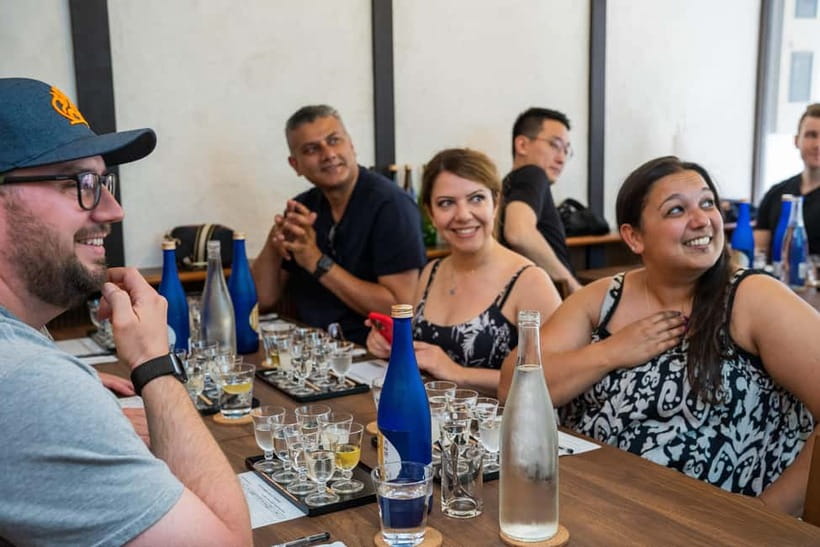
Many first-time sake drinkers face the same problem: the menu offers several bottles, the labels are unfamiliar, and terms such as junmai, ginjo, and daiginjo do not immediately tell you what the drink will taste like. This experience gives you a simple way through that confusion.
You are not just handed a flight and left to make vague notes. A certified sake expert explains how the drink is brewed, what happens when rice is polished, and how production choices affect aroma, texture, sweetness, and dryness. That basic framework makes each pour more meaningful.
I especially like that the lesson stays practical. You learn how to choose sake in Japan, how to read a bottle, and when a sake may be served warm or chilled. Those are small skills, but they can save you from ordering blindly during the rest of your trip.
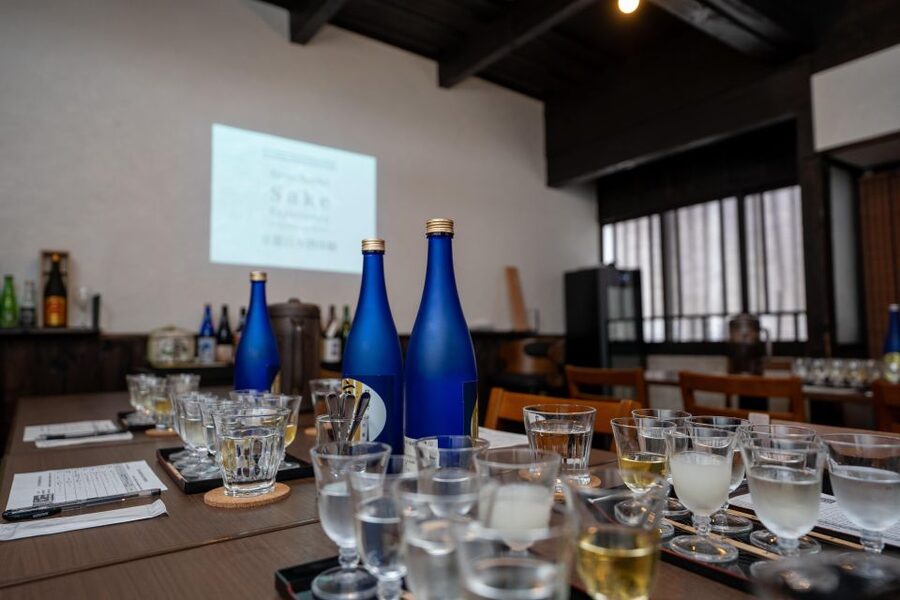
The session is held in a dedicated tasting room rather than being folded into a noisy restaurant meal. That gives the guide room to explain each selection and gives you a better chance to ask questions. The atmosphere is described as warm, cozy, and intimate, though the exact group size can vary.
More Sake Tastings in Japan:
- 3-Hour Kyoto Insider Sake Brewery Tour with Tastings & Pairings
★ 5.0 · 917 reviews - Kyoto: Insider Sake Brewery Tour with Sake and Food Pairing
★ 5.0 · 704 reviews - Kyoto Sake Brewery & Tasting Walking Tour
★ 5.0 · 623 reviews
Starting with the basics of brewing
The opening part builds a foundation before the drinking begins. You learn what sake is made from and how the brewing process affects the final drink. Rice polishing receives particular attention, and physical examples may be used to show how much of the grain is removed.
This matters because rice polishing is not just a technical detail. It helps explain why some bottles are lighter, more fragrant, or more refined in style, while others feel fuller and more rice-driven. You do not need to memorize every classification. The useful result is understanding why two clear drinks can taste so different.
The explanations are designed for beginners. Guides such as Mayo, Kiyomi, Kotaro, and Greg have been praised for making the subject easy to follow, while Shogo’s presentation has been described as clear and well structured. The teaching style appears to vary by guide, but the repeated pattern is friendly instruction without a stiff classroom feel.
If you are already a sake specialist, the introductory material may feel familiar. This is best treated as a strong first lesson rather than an advanced seminar. There is enough detail to improve your choices, but the pace is meant to keep newcomers comfortable.
Comparing seven sake styles side by side
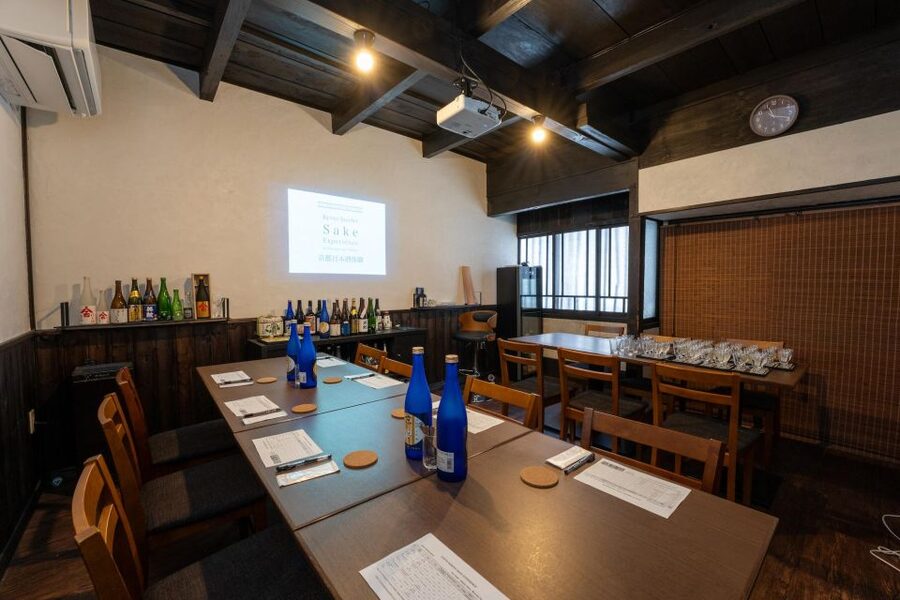
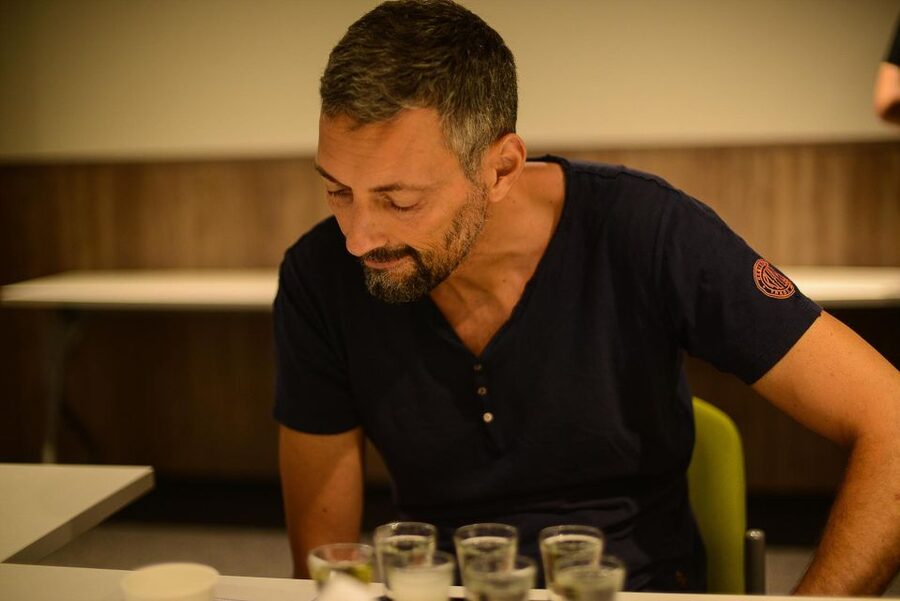
The heart of the experience is the tasting flight. You compare sake styles rather than drinking one sample in isolation, which makes differences much easier to notice.
The selection moves across a range that can include dry and crisp pours, sweeter examples, and fruity or aromatic styles. The point is not to declare one style superior. It is to help you identify what you actually enjoy.
A tasting card gives you a place to record your impressions and sort out your preferences. That is particularly helpful if you are new to sake and find that every sample seems unfamiliar at first. By the end, you should have a clearer answer to questions such as:
- Do you prefer dry or sweet sake?
- Do you like a clean, crisp finish or a fuller texture?
- Are fruity aromas appealing, or do you prefer a more restrained style?
- Which sake would you drink alone, and which works best with food?
The activity is promoted as seven tastings, while the included sake selection is described as more than 10 types chosen by a certified sommelier. That suggests the available range is broader than the individual flight, though the exact bottles can change. Do not expect every possible sake to appear in one session.
The pours are described in several reviews as generous tasting servings. Still, this remains a guided tasting, not an all-you-can-drink event. Pace yourself, pay attention to water and food, and remember that the goal is comparison rather than quantity.
Learning to read a Japanese sake bottle
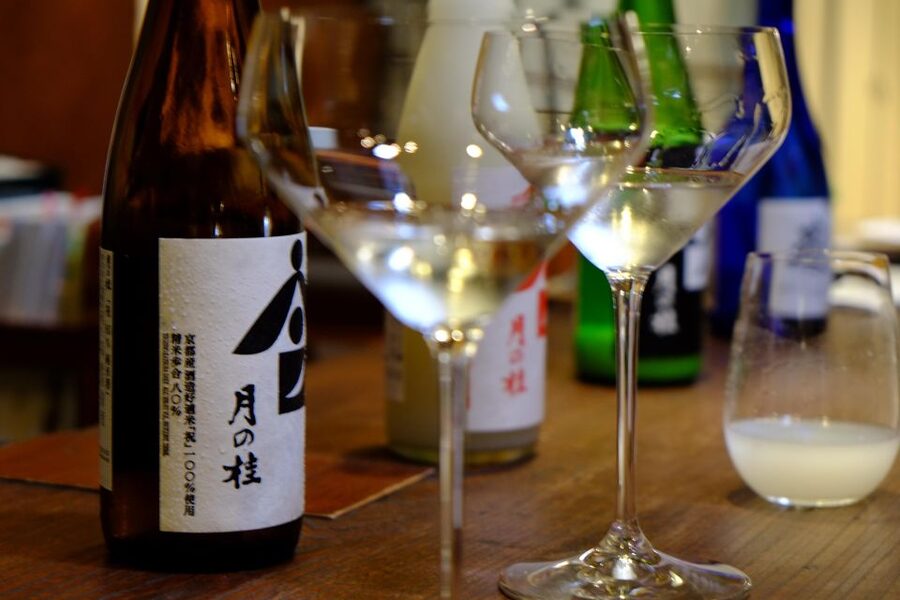
This may be the most useful part for the rest of your trip. Sake labels can look intimidating, but you are shown how to find the information that helps you choose.
The lesson includes hands-on bottle reading. You may work with an individual bottle and identify its key details instead of simply watching the guide do it. That turns an abstract explanation into a skill you can use at a shop or restaurant.
You will learn how production and labeling relate to flavor. Polishing is one important clue, but it is not the only one. The guide also helps you understand how terms and regional differences can point you toward a style you may prefer.
The included sake cheat sheet is useful after the session. It gives you a compact reference when you are standing in front of a shelf of bottles or trying to order from a menu. I would keep it with your phone or travel papers, since the value is highest when you use it soon after the class.
One word of caution: no cheat sheet can predict your taste perfectly. Use the information as a guide, then keep paying attention to what you enjoy. The tasting card helps with that personal side of the lesson.
More Drinks Tours in Japan:
- Best of Shinjuku: Izakaya Food Tour (4 Stops, 14+ Tastings)
★ 5.0 · 1,863 reviews - Tokyo: Ramen Tasting Tour with 6 Mini Bowls of Ramen
★ 4.9 · 432 reviews - Osaka Sake Tasting with Takoyaki Cooking
★ 5.0 · 156 reviews - KOBE Sake Tasting Tour at Breweries (tasting fee included)
★ 5.0 · 154 reviews
Seeing what otsumami does to each pour
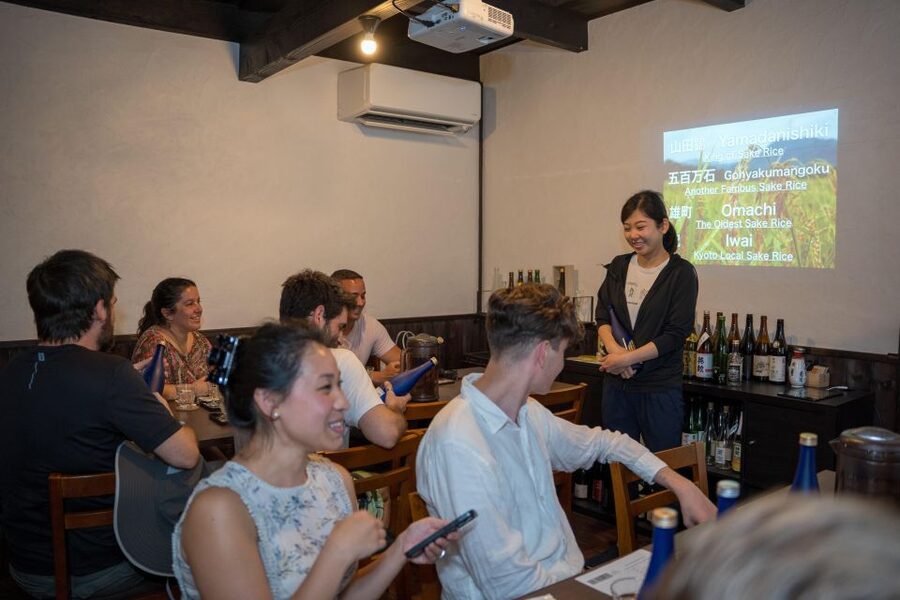
The food pairing is more than a snack break. You first taste sake on its own, then taste it with Japanese otsumami, or small traditional appetizers. The contrast shows how food can change the way a drink feels.
A sake that seems too dry, sharp, or plain by itself may work much better with a savory bite. Another may become sweeter or more aromatic alongside food. This is why the pairing has real value: it teaches you not to judge every bottle in isolation.
The food is not intended to replace lunch or dinner. One earlier session was described as a flight with small dishes rather than a full meal, and that is the right expectation. Eat something beforehand, especially if you are not used to alcohol. A light snack before arrival will let you focus on the flavors without drinking on an empty stomach.
Food preferences and allergies should be shared with the guide at the venue. Vegetarian replacements have been accommodated successfully, and the substitute snacks have been described as satisfying. You should still communicate your needs clearly before the tasting begins.
The pairing also helps with future restaurant choices. Instead of asking only for the most famous or expensive bottle, you can start thinking about what you are eating and how you want the combination to work.
Hot, cold, and choosing sake in Japan
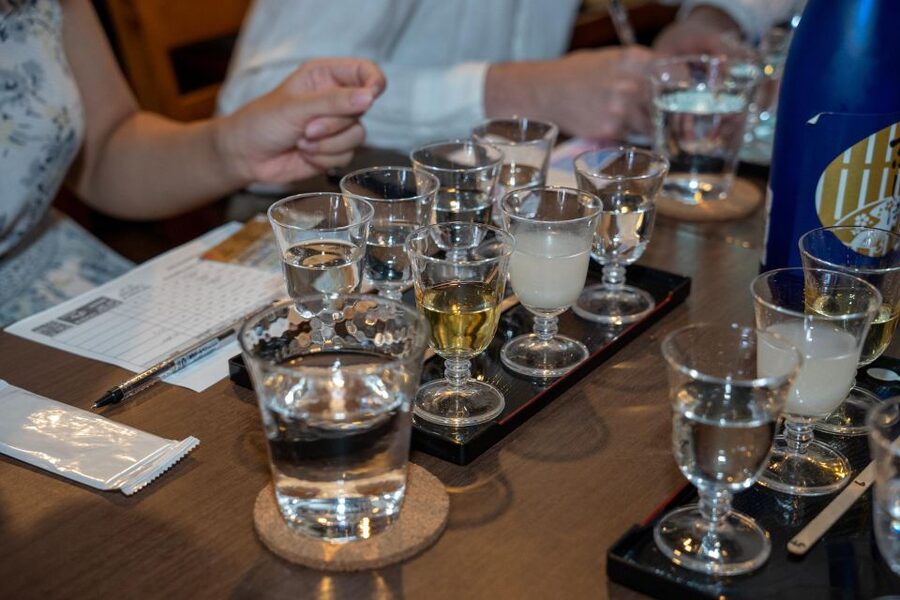
Many visitors assume sake is always served warm. The session explains when hot or cold service makes sense and why serving temperature changes the drink.
You will not leave with a rigid rule that one style must always be served one way. Instead, you get a practical understanding of how temperature can affect aroma and flavor. That is more useful when you are ordering in different settings.
The lesson also connects sake to common Japanese foods, including sushi. This does not turn you into a sommelier in 90 minutes, but it gives you enough confidence to ask better questions and make a more informed choice.
I like this travel benefit because it continues after the activity ends. You can use the same approach at an izakaya, a department-store food hall, a sake shop, or a restaurant in another Japanese city. The goal is not to remember every term. The goal is to stop feeling lost when the menu arrives.
The guides and the tone of the session
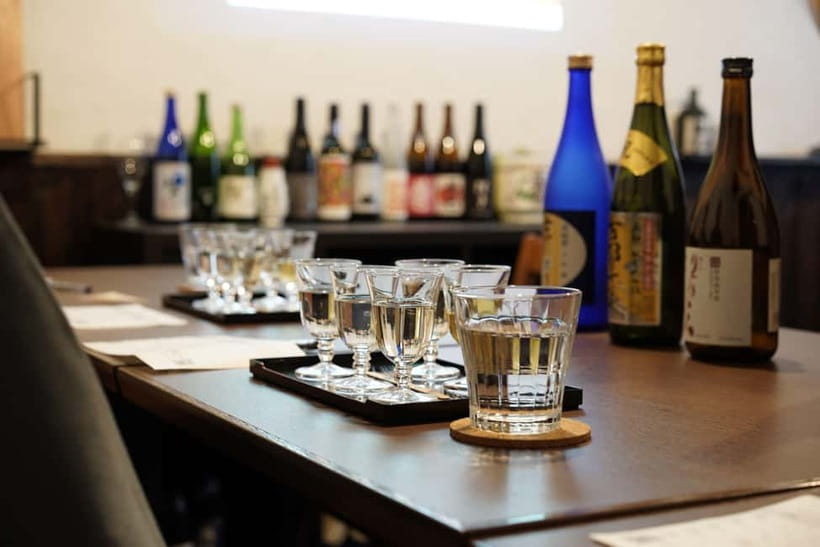
The guide is central to this experience. The available English-speaking instructors include Mayo, Kotaro, Kiyomi, Greg, Rieko, Shogo, Yui, Mai, and others. The exact person depends on the date, but the teaching style described across the sessions is consistent: clear explanations, patient answers, and a light sense of humor.
Mayo appears often in the feedback and is praised for making technical material fun. Kotaro is described as friendly and thorough, while Kiyomi is noted for her enthusiasm and ability to keep the room laughing. Greg has been appreciated for his calm, careful explanations, and Shogo for a well-organized presentation.
That matters because sake can become dry as a subject if the guide focuses too heavily on terminology. A good instructor keeps bringing the discussion back to what you can smell, taste, and order. This experience seems strongest when the guide treats questions seriously but does not make beginners feel behind.
The setting is intimate rather than grand. You are not visiting a large brewery or watching a production line. If you want a full factory tour, this is not that. If you want a focused introduction with time for conversation, the dedicated tasting room is a good fit.
Price, time, and practical value
At $66 per person, the experience is not the cheapest way to drink sake in Kyoto. You could buy a bottle or a few small pours for less. That comparison misses the main value, though.
You are paying for guided instruction, a selection chosen to show clear differences, traditional snacks, the tasting card, and the sake cheat sheet. You also avoid the risk of spending your own money on a bottle whose label tells you little. For a first-time drinker, that education can make later purchases more successful.
The 90-minute length works well in a busy Kyoto schedule. It is long enough to cover brewing, tasting, food pairing, and bottle reading, but short enough to fit between sightseeing plans. You should allow extra time to find the meeting point and speak with the staff at the counter on arrival.
Arrive on time. A delay of more than 20 minutes results in cancellation, and there is no refund if you arrive unable to take part. The meeting instructions are simple: speak with the staff at the counter when you arrive.
Do not arrive by bicycle or car if you intend to drink. For safety and legal reasons, alcohol will not be served to anyone arriving by either method. Non-alcoholic drinks are available, but the booking cannot be refunded if you cannot participate in the sake tasting.
Strong fragrances and bicycles are not allowed. The fragrance rule makes sense in a tasting room, where perfume can interfere with your ability to notice aroma.
Free cancellation is available up to seven days in advance for a full refund. Check the available start times when booking, since the session runs at scheduled times.
Who should book this Kyoto experience
I would recommend it most strongly to people who like Japanese food but feel unsure about sake. It is also a smart choice if you have tried sake before but have never understood the labels or the difference between styles.
Couples, friends, and parent-and-adult-child pairs can all fit the format. One session with a college-age son became a highlight of a longer Japan trip, which makes sense: the activity is social, but still gives you something useful to talk about afterward.
You do not need to be a current sake drinker. The range is designed to help you find at least one style that suits you, and the non-alcoholic option is available for people under the legal drinking age. Still, children are not the target audience, and the activity is not recommended for young children, pregnant women, or people under 19.
The official drinking age in Japan is 20. Anyone under 20 receives only non-alcoholic drinks. Guests without reservations, including children and non-drinkers, cannot simply join the booked group, so reserve for everyone who plans to attend.
Should you book it?
Book this experience if you want more than a quick drink and want to understand what you are ordering in Japan. The strongest reasons are the side-by-side tasting, the hands-on label lesson, and the clear demonstration of how otsumami changes sake.
Skip it if you want a brewery visit, a full meal, or a long evening of free drinking. You will spend 90 minutes in a focused tasting room, and the food is limited to small pairings.
For most first-time sake drinkers, $66 is fair value because you leave with a sense of your own taste, a better way to read a bottle, and enough confidence to order again. Eat a little beforehand, arrive early, bring your questions, and let the tasting guide you toward the styles you genuinely like.
FAQ
How long does the Kyoto sake experience last?
The guided tasting lasts 90 minutes. Starting times vary, so check availability when booking.
How many sake samples are included?
The experience is presented as seven tastings. The available selection includes more than 10 sake types chosen by a certified sake sommelier, though the exact bottles and styles may vary.
Is the tasting conducted in English?
Yes. The experience includes a live English-speaking guide.
Are food pairings included?
Yes. Traditional Japanese otsumami are included so you can taste the sake alone and with food. Tell the guide about allergies or food preferences at the venue. Vegetarian replacements have been accommodated.
Can people under 20 drink sake during the experience?
No. Japan’s legal drinking age is 20. People under 20 receive only non-alcoholic drinks, and the activity is not recommended for young children.
Can I attend if I arrive by car or bicycle?
You may attend, but alcohol will not be served to anyone who arrives by car or bicycle. Non-alcoholic drinks are available, and no refund is provided if you cannot take part in the sake tasting.
Just poured in Japan
- Tokyo: Sushi Cooking Class with Sake Tasting★ 4.8 · 55 reviews
- Tokyo: Ramen Tasting Tour with 6 Mini Bowls of Ramen★ 4.9 · 432 reviews
- Tokyo: Sushi and Ramen Cooking Class with Sake Pairing Set★ 5.0 · 81 reviews
- Tsukiji: Unlimited Sake Tasting Experience★ 4.9 · 67 reviews
- Osaka Sake Tasting with Takoyaki Cooking★ 5.0 · 156 reviews
- Kyoto: Sake Brewery and Tasting Tour in Fushimi★ 4.8 · 55 reviews
- Kyoto: Local Food Tasting Tour at the Nishiki Market★ 4.7 · 135 reviews
- Kobe: Guided Sake Breweries Tour with Tastings★ 5.0 · 55 reviews
Sake Tastings, compared.
3-Hour Kyoto Insider Sake Brewery Tour with Tastings & Pairings
Read our review →
Insider Sake Brewery Tour with Sake and Food Pairing
Read our review →
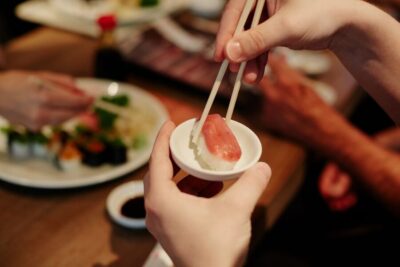
Düsseldorf: Sushi, Sake & Japanese Lifestyle Tour
Read our review →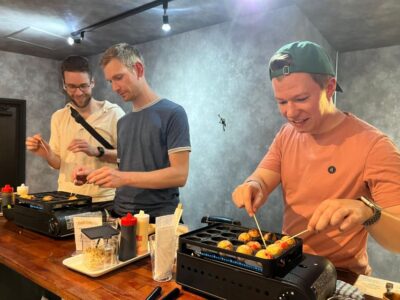
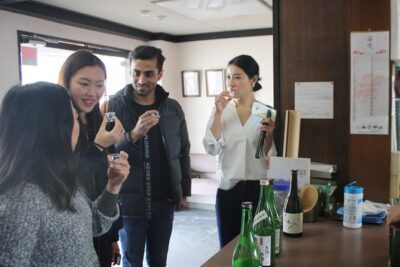
KOBE Sake Tasting Tour at Breweries (tasting fee included)
Read our review →
Sushi and Ramen Cooking Class with Sake Pairing Set
Read our review →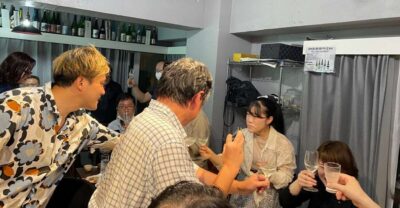
Browse the lists this tour appears in