
REVIEW · SAKE TASTINGS
Tokyo: Sushi Cooking Class with Sake Tasting
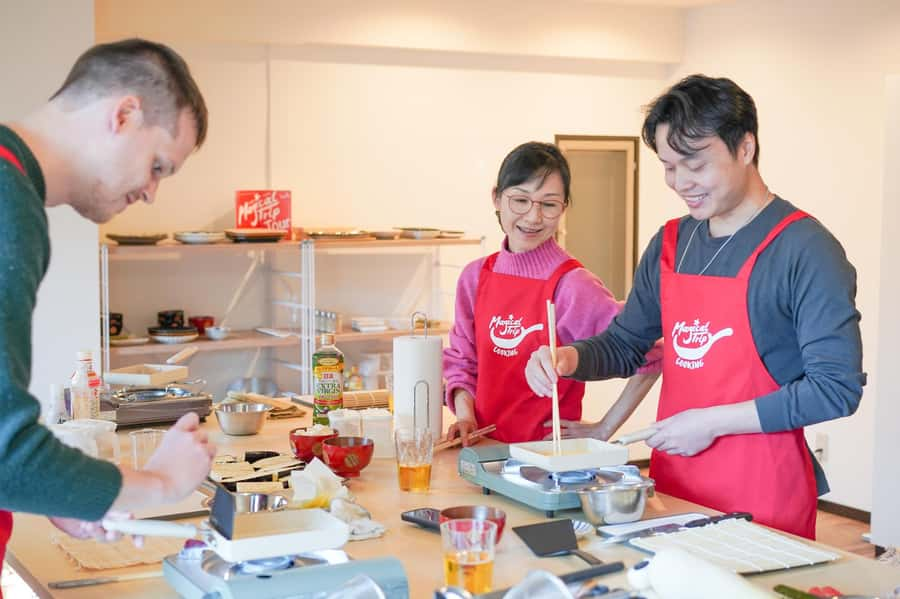
Tokyo’s best cooking lessons begin before the knives come out. Here, you shop at a local supermarket with your guide, learn how Japanese cooks choose ingredients, then carry those supplies to a professional kitchen near Asakusa and Kappabashi. The supermarket visit gives the class a useful local angle, while the cooking itself covers sushi, miso soup, eggplant dengaku, and rolled egg.
I like the small group of up to seven, which gives you room to ask questions and handle the food yourself. I also like the patient teaching style associated with guides such as Tiger, Suzy, Taka, Fuji, and Mihori. The main caution is dietary flexibility: vegetarian and vegan arrangements are offered, but allergy-free cooking cannot be guaranteed.
Key points at a glance
- Start with a real supermarket visit: Learn how Japanese cooks select fish, vegetables, seasonings, and other ingredients.
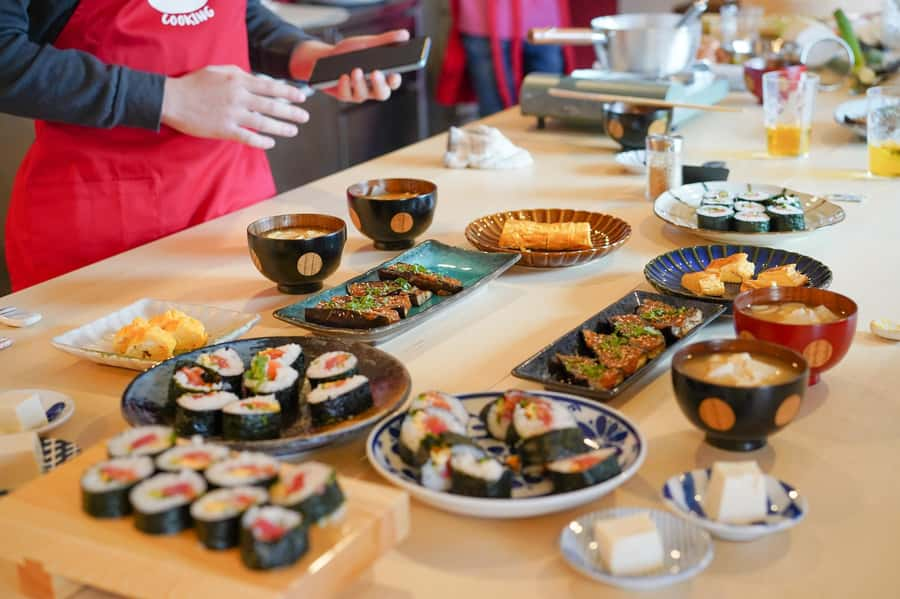
- Cook more than sushi: Make sushi rolls, dashi-based miso soup, eggplant dengaku, and dashimaki tamago.
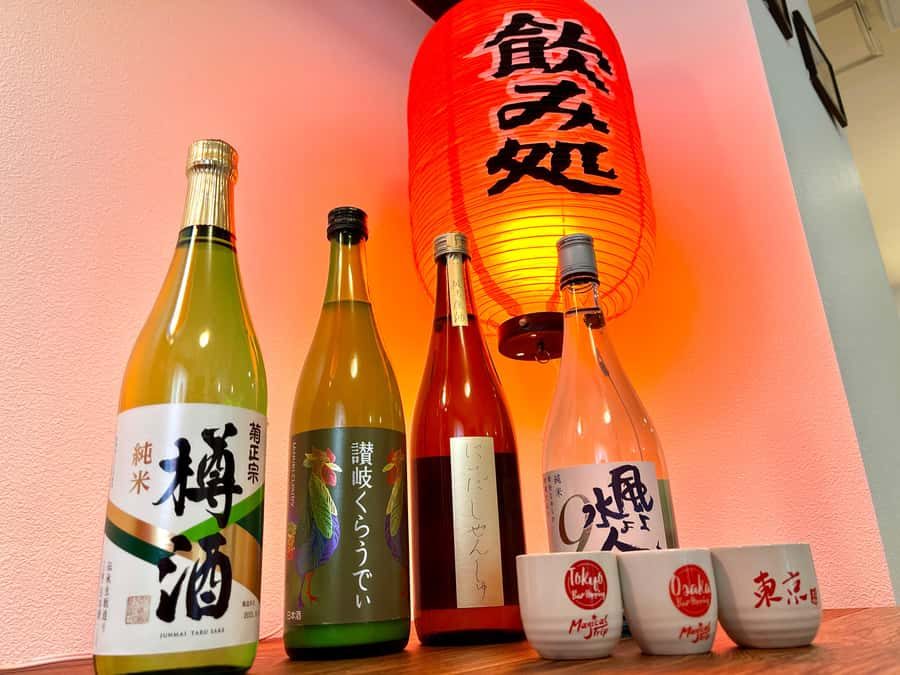
- Taste four kinds of sake: Pair your chosen sake with sushi and the dishes you prepare.
- Work in a small English-language class: The group is limited to seven, and beginners are welcome.
- Bring the family if useful: All ages can join, and a children’s playroom is available.
- Finish near Asakusa: After lunch, you are well placed for sightseeing and shopping in Asakusa and Kappabashi.
Why the supermarket stop matters
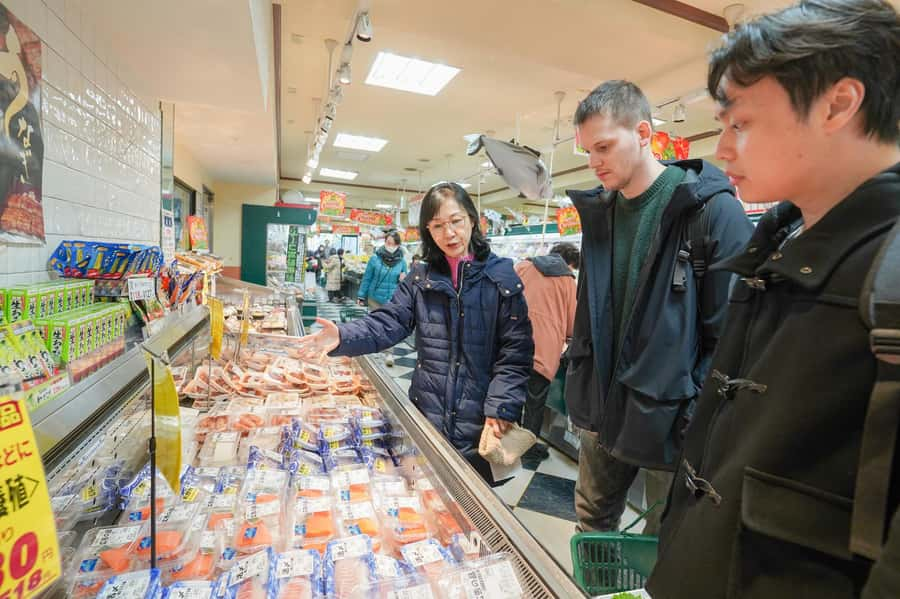
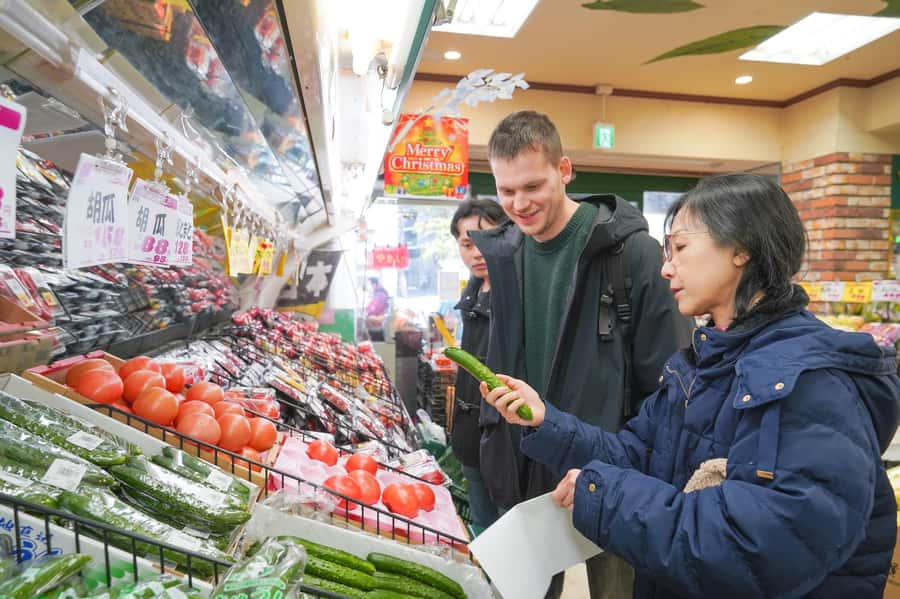
Many cooking classes hand you a measured tray of ingredients. This one starts more like an ordinary Japanese shopping trip. You meet in front of the FamilyMart beside the Gindako takoyaki shop and Doutor Coffee near Exit 2 of Iriya Station, then head to a local supermarket with your guide.
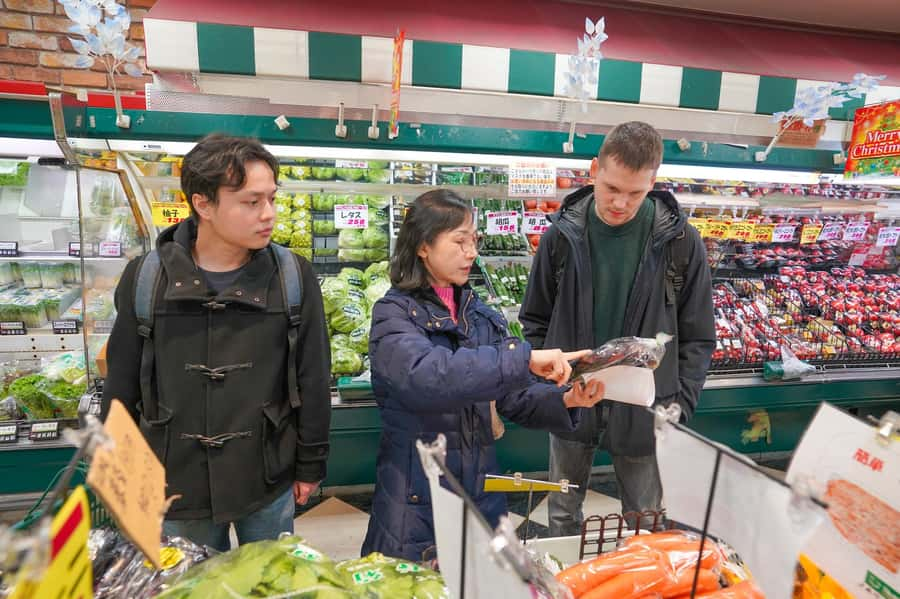
Pay close attention here. Japanese supermarkets are useful places to learn about daily food culture because they bring together fish, meat, vegetables, seasonings, and prepared foods in one place. Your guide helps you think about freshness and selection rather than simply pointing out unfamiliar packages.
The meeting point needs care. There are two FamilyMart shops near Iriya Station, so you need the one beside Gindako and Doutor Coffee. Arrive early. The class starts on time, and arriving late can mean missing the group without a refund or rescheduling option.
The shopping stop also gives you context for the meal ahead. You are not only learning a recipe. You are seeing the ingredients as Japanese home cooks encounter them, then using those ingredients a short time later.
More Sake Tastings in Japan:
- 3-Hour Kyoto Insider Sake Brewery Tour with Tastings & Pairings
★ 5.0 · 917 reviews - Kyoto: Insider Sake Brewery Tour with Sake and Food Pairing
★ 5.0 · 704 reviews - Kyoto Sake Brewery & Tasting Walking Tour
★ 5.0 · 623 reviews
From knife basics to sushi rice
Once the shopping is finished, the class moves to a professional kitchen studio in the Asakusa and Kappabashi area. The lesson begins at a friendly level, including how to hold a Japanese kitchen knife properly. That matters if you are new to Japanese cooking or simply want more confidence with unfamiliar tools.
The instruction then builds from basic techniques. You learn to prepare dashi for miso soup and season sushi rice with vinegar. These steps can look simple, but they shape the taste of the finished meal. A clear explanation of when and how to season the rice is more useful than being handed a finished bowl and told to roll it.
The group size helps here. With no more than seven participants, the guide can watch your technique and answer questions without turning the class into a lecture. The teaching style is designed for beginners, yet the recipes should still interest anyone who already cooks.
Guides named Tiger, Suzy, Taka, Fuji, and Mihori have led sessions associated with this experience. The strongest pattern in their teaching is patience: participants are given time to follow each stage, and children can take part rather than being pushed to the side. That makes a difference in a hands-on class, where one rushed step can spoil the next.
Sushi is only part of the meal
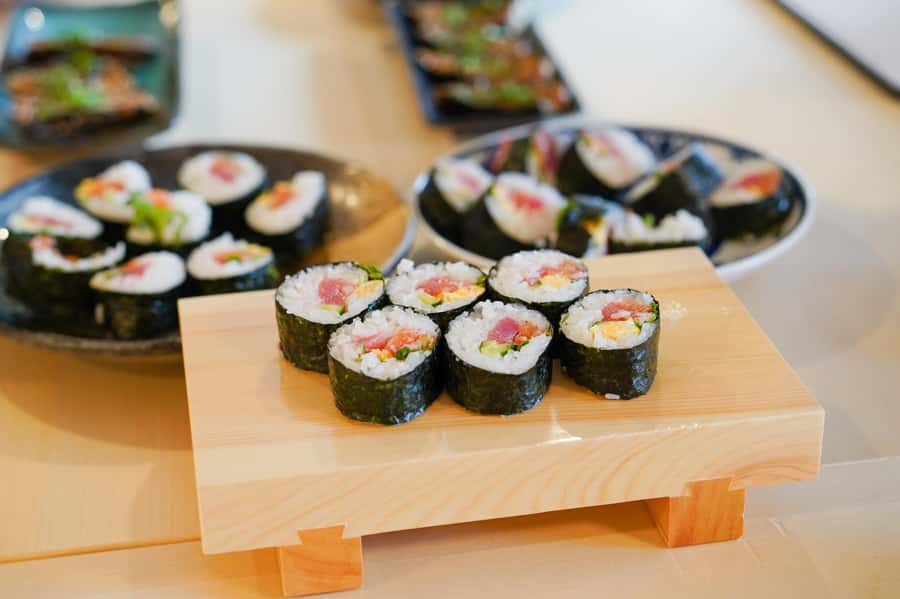
Sushi gets top billing, but this is not a one-dish workshop. You also prepare miso soup, eggplant dengaku, and dashimaki tamago, a Japanese rolled egg dish.
Sushi rolls provide the most familiar activity, but the other dishes give you a better sense of Japanese home cooking. Miso soup introduces dashi and the balance of savory flavors. Eggplant dengaku shows how a simple vegetable can become a satisfying small dish with a seasoned topping. Dashimaki tamago requires careful rolling, so it is a useful test of patience and timing.
I like this mix because it prevents the session from becoming a narrow lesson in assembling sushi. You leave with several techniques that can fit into a meal at home, not just one impressive party dish.
The class includes lunch, so you eat the food you prepare rather than packing it away or rushing off to find a second meal. Tea is also included, along with photos taken during the experience. Recipes are provided afterward, which is important if you want to repeat the dishes at home instead of relying on memory.
Four sake tastings with lunch
Sake tasting adds another layer to the meal. You choose a favorite from four varieties, then pair it with sushi and the traditional dishes you have prepared.
You do not need to be a sake expert to enjoy this part. The value is in tasting different options beside food, where you can notice how the drink works with rice, miso, vegetables, and egg. It turns lunch into a practical introduction to Japanese food pairing rather than a separate tasting session.
The available details do not specify the exact sake brands or styles, so do not book this expecting a named producer or formal certification course. Think of it as a guided sampling that complements the cooking.
If you do not drink alcohol, confirm arrangements before booking. The activity specifically includes sake tasting, but the supplied information does not state what nonalcoholic substitute is available.
More Cooking Classes in Japan:
- Osaka Sake Tasting with Takoyaki Cooking
★ 5.0 · 156 reviews - Tokyo: Sushi and Ramen Cooking Class with Sake Pairing Set
★ 5.0 · 81 reviews - Rome: Pasta Making Class with Wine, Limoncello, and Dessert
★ 4.9 · 3,177 reviews - Rome Cooking Class: Make Pasta and 3 Spritz Cocktails
★ 5.0 · 2,937 reviews
A useful setting near Asakusa and Kappabashi
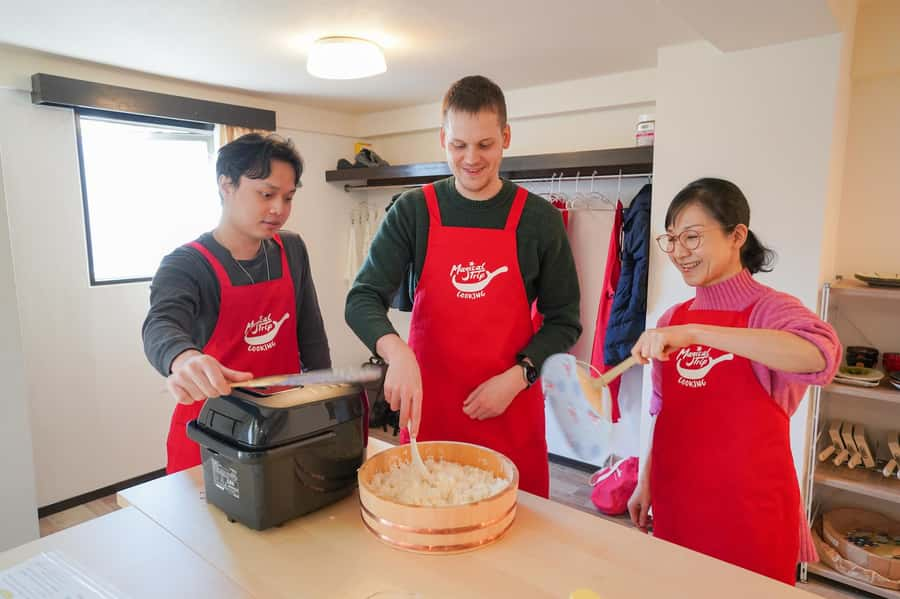
The kitchen is in the Asakusa and Kappabashi shopping district. That location is handy for building the class into a larger Tokyo day.
Kappabashi is known for restaurant supplies, so you can browse knives, cookware, tableware, and kitchen tools after class. Asakusa gives you a more traditional sightseeing stop nearby, with shopping and landmark visits available after lunch.
The activity ends back at the Iriya meeting point, rather than at Asakusa. Keep that in mind when planning the rest of your day. You can explore Asakusa and Kappabashi after the class, but you will need to return to the starting area when the activity finishes.
The setting also makes this a good choice for anyone who wants food culture without giving up a full afternoon in Tokyo. Four hours is long enough for shopping, cooking, eating, and sake tasting, while still leaving time for another neighborhood.
What the small group changes
A group limit of seven creates a more personal class than a large demonstration. You should have a real chance to cut, mix, roll, and taste, rather than watching a chef do everything at the front.
The guide’s role goes beyond giving instructions. You can ask about ingredient choices, Japanese home cooking, knife handling, and the dishes you see in the supermarket. English is the tour language, and the experience is designed for participants with different cooking backgrounds.
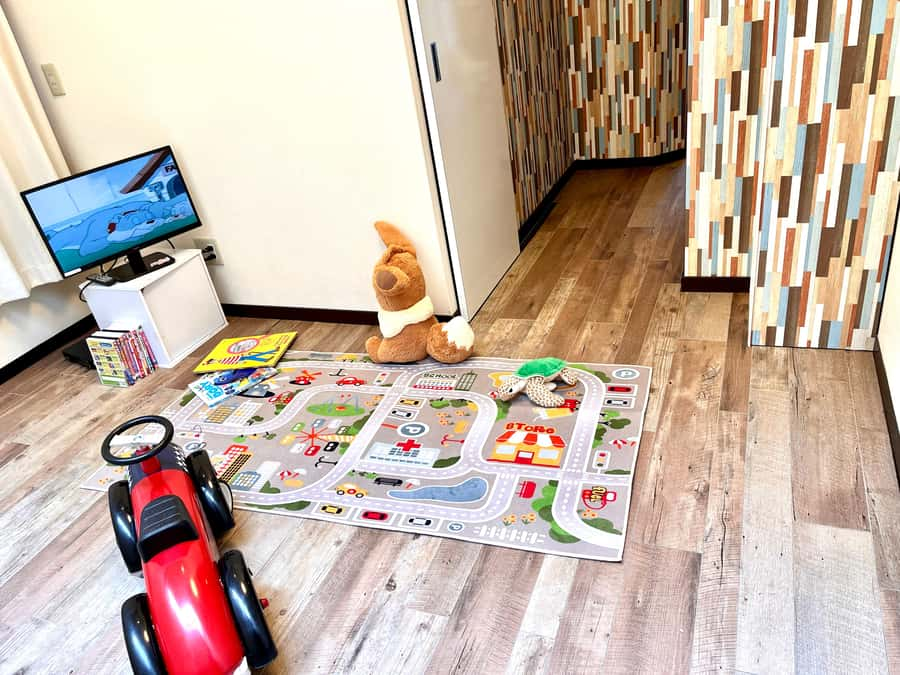
Families can join. A children’s playroom is available for little ones, and the teaching approach has worked well for children taking part alongside adults. Still, the activity includes knives, hot cooking equipment, and sake tasting, so adults remain responsible for deciding how much of the class is suitable for each child.
The class is open to all ages, but the itinerary includes places that may not be accessible by wheelchair or stroller. If that affects your plans, ask for details before paying.
Dietary needs and summer planning
Vegetarian and vegan participants are welcome, and ingredients and cooking steps can be arranged for those diets. That is helpful, but it does not mean every dietary restriction can be handled.
Allergy-free preparation is not guaranteed because the food is made in kitchens that do not belong to MagicalTrip. Substitutions may not be possible at every stage. Tell the provider about your needs in advance, then decide if the available arrangements are safe enough for you.
Tokyo summers are hot and humid. Bring water and wear a hat, especially for the walk and supermarket portion. The cooking studio offers a break from the heat, but the class still begins outdoors and depends on you arriving at the meeting point comfortably.
Is $112 a fair price?
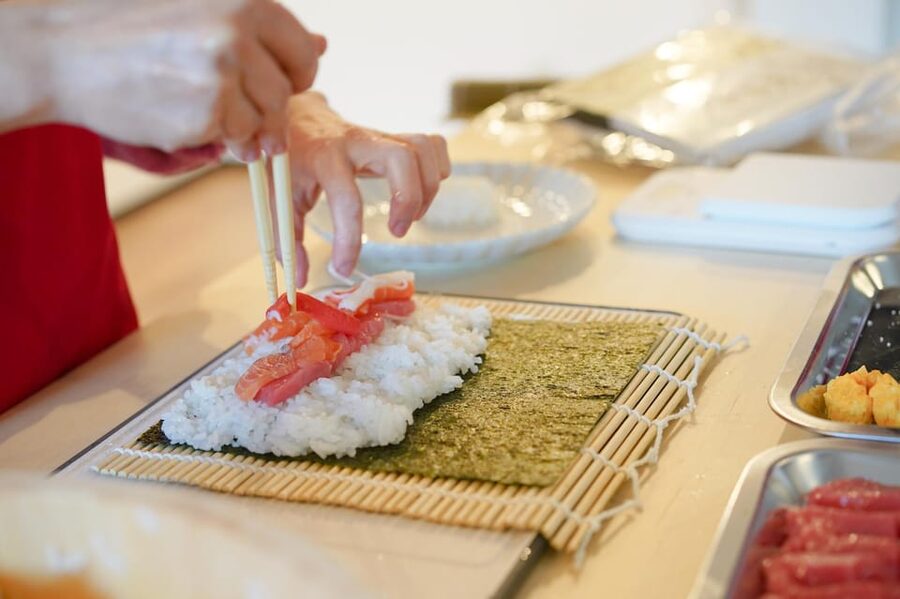
At $112 per person, this is not a cheap meal, but the price covers more than lunch. You receive a four-hour guided experience, supermarket shopping, ingredients, kitchen instruction, lunch, four sake tastings, tea, photos, and recipes to take home.
The value is strongest if you want to learn. A restaurant meal may cost less, and a short sushi lesson may take less time, but neither gives you the same combination of food shopping, several recipes, hands-on cooking, and sake pairing.
The price also makes more sense for a small group. You are paying for access to instruction and personal help, not just a seat at a table. If you mainly want to eat sushi in Tokyo, choose a restaurant instead. If you want to understand how several Japanese dishes come together, this class offers more lasting value.
The included recipes are a practical bonus. They let you recreate the meal at home and host your own Japanese dinner later. That turns the experience into something you can use after your trip.
Who should book this cooking class?
I would recommend it to first-time visitors who want a direct connection with Japanese food culture. It suits curious beginners, families, couples, and solo participants who prefer a social activity with a clear structure.
It is also a good fit if you want more than sushi. The miso soup, eggplant dengaku, and rolled egg broaden the lesson and give you a small Japanese meal to remember.
You should think twice if you have serious allergies, need full wheelchair or stroller access, or dislike fixed start times. The class cannot wait for late arrivals, and the provider cannot promise an allergy-free kitchen.
Book it early in your Tokyo schedule if you want to use the recipes during the rest of your trip or visit Kappabashi afterward for cooking supplies. The experience can also work well near the end of a trip, when you have already tasted Japanese food and want to understand how it is made.
Practical details before you reserve
The experience lasts four hours, with starting times shown when you check availability. It is conducted in English and limited to seven participants.
You meet in front of the correct FamilyMart beside Gindako and Doutor Coffee at Iriya Station Exit 2. Because there are two FamilyMart shops near the station, check the landmarks carefully and arrive ahead of time.
Free cancellation is available up to 24 hours before the activity for a full refund. You can also reserve now and pay later, which helps if your Tokyo schedule is still changing.
The activity ends back at the meeting point. It includes cooking, lunch, four sake tastings, tea, ingredients, photos, and recipes, but transport to and from Iriya Station is not listed as an included feature.
Should you book it?
Book this class if you want to shop, cook, eat, and learn in one well-paced morning or afternoon. The supermarket visit, small group, patient instruction, and mix of dishes make it more useful than a simple sushi assembly session.
Skip it if your main goal is a quick meal, if you need guaranteed allergy-free preparation, or if stairs and uneven access could cause problems. For everyone else, $112 buys a hands-on introduction to Japanese home cooking, plus a sake tasting and recipes you can use long after Tokyo.
FAQ
How long does the Tokyo sushi cooking class last?
The activity lasts four hours. Starting times depend on availability when you book.
Where do I meet the guide?
Meet in front of the FamilyMart beside the Gindako takoyaki shop and Doutor Coffee at Iriya Station Exit 2. There are two FamilyMart shops near the station, so use those nearby businesses to identify the correct one.
What food will I prepare?
The class includes sushi rolls, miso soup, eggplant dengaku, and dashimaki tamago, a Japanese rolled egg dish.
Is sake tasting included?
Yes. The experience includes a tasting of four kinds of sake, with pairing alongside sushi and Japanese dishes.
Can vegetarians and vegans join?
Yes. Vegetarian and vegan participants are welcome, and ingredients and cooking steps can be arranged for those diets. Allergy-free preparation cannot be guaranteed.
Is the class suitable for children?
Yes. All ages can join, and a children’s playroom is available. The class also includes knives and cooking equipment, so adults should decide what each child can safely handle.
More Workshops and Classes in Japan
- Barcelona Paella Cooking Class with Market Visit, Tapas & Sangria
★ 5.0 · 2,531 reviews - Fettuccine & Tiramisù: Cooking Class with Wine & Limoncello
★ 4.9 · 2,103 reviews - Pasta Cooking Class Near the Colosseum with 3 Spritz Cocktails
★ 5.0 · 1,686 reviews - Sorrento: Pizza Lesson, Wine, and Limoncello at a Local Farm
★ 5.0 · 1,513 reviews
Just poured in Japan
- Tokyo: Ramen Tasting Tour with 6 Mini Bowls of Ramen★ 4.9 · 432 reviews
- Tokyo: Sushi and Ramen Cooking Class with Sake Pairing Set★ 5.0 · 81 reviews
- Tsukiji: Unlimited Sake Tasting Experience★ 4.9 · 67 reviews
- Osaka Sake Tasting with Takoyaki Cooking★ 5.0 · 156 reviews
- Kyoto: Sake Brewery and Tasting Tour in Fushimi★ 4.8 · 55 reviews
- Kyoto: Local Food Tasting Tour at the Nishiki Market★ 4.7 · 135 reviews
- Kobe: Guided Sake Breweries Tour with Tastings★ 5.0 · 55 reviews
- Kyoto: Insider Sake Experience with 7 Tastings and Snacks★ 5.0 · 266 reviews
Sake Tastings, compared.
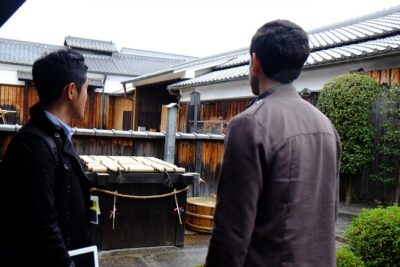
3-Hour Kyoto Insider Sake Brewery Tour with Tastings & Pairings
Read our review →
Insider Sake Brewery Tour with Sake and Food Pairing
Read our review →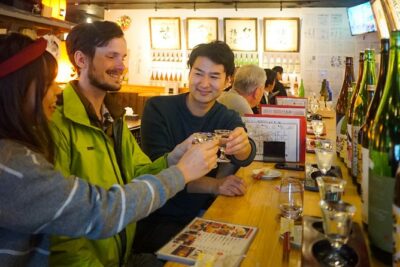
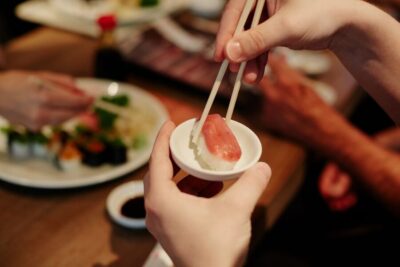
Düsseldorf: Sushi, Sake & Japanese Lifestyle Tour
Read our review →
Insider Sake Experience with 7 Tastings and Snacks
Read our review →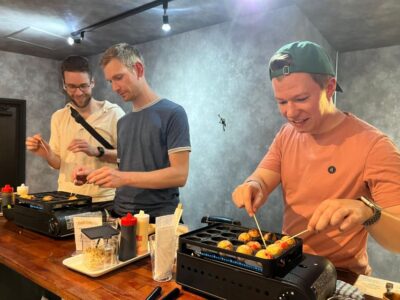
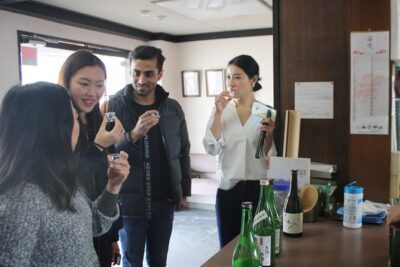
KOBE Sake Tasting Tour at Breweries (tasting fee included)
Read our review →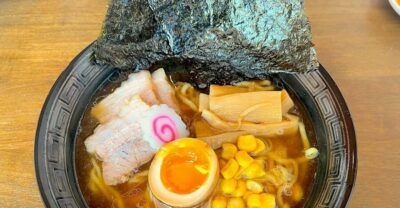
Sushi and Ramen Cooking Class with Sake Pairing Set
Read our review →Browse the lists this tour appears in